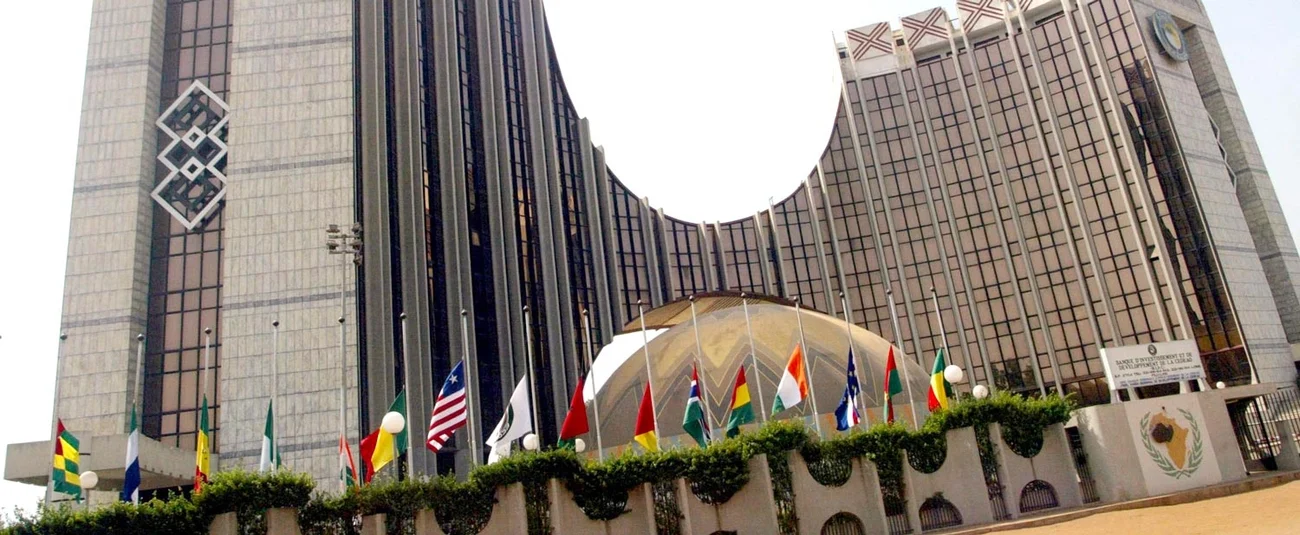
LAGOS – The African Development Bank Group (AfDB) has approved a $100 million financial package for the ECOWAS Bank for Investment and Development (BIDC), fundamentally altering the regional financial landscape.
While the headline numbers highlight a massive boost for West African infrastructure, the real transformation is happening in the boardroom. By injecting $30 million of this facility as direct equity, the AAA-rated AfDB is becoming the very first development finance institution to acquire a direct ownership stake and a permanent seat on BIDC’s Board of Directors.
To understand the weight of this intervention, look at the balance sheet. BIDC has historically operated with a speculative-grade ‘B’ credit rating from agencies like Fitch, weighed down by a high-risk regional environment and an average sovereign shareholder rating of ‘CCC+’. While BIDC successfully boosted its authorized capital from $1.5 billion to $3.5 billion to expand its lending runway, borrowing heavily on external markets without an investment-grade anchor has kept its cost of capital aggressively high.
This structural limitation creates a punitive cycle where regional banks face a steep risk premium when borrowing on international capital markets. The resulting high interest rates are passed down to local infrastructure initiatives, making critical energy and development projects cost-prohibitive.
“The African Development Bank Group’s acquisition of a stake in the BIDC marks an important milestone in the institution’s development. Beyond the capital injection, this investment by a major AAA-rated shareholder strengthens the BIDC’s credibility with international investors and supports efforts to mobilise long-term resources for the benefit of ECOWAS countries.” Andrews Amankwah, Director of the Treasury at the ECOWAS BIDC said in a statement released on Thursday.
The AfDB’s boardroom presence changes the game. This strategic move serves as an institutional de-risking mechanism, using the continental giant’s sterling credit reputation to instantly anchor BIDC’s corporate governance framework.
The strategy is already showing a clear multiplier effect. The remaining $70 million long-term credit line, earmarked exclusively for West African solar and hydroelectric initiatives, is expected to leverage and crowd in an additional $230 million in co-financing. The capital injection targets 207 megawatts of clean energy capacity, extending power grids to 250,000 underserved households across the 15-member state of Ecowas bloc.
Furthermore, the operation directly advances the New African Financial Architecture for Development (NAFAD), a continental strategy heavily endorsed at the recent 2026 AfDB Annual Meetings in Brazzaville. By investing directly in sub-regional institutions, African nations are building internal financial capacity to reduce long-term reliance on external capital providers.