By: ThinkBusiness Africa
Nigeria’s economy is expected to witness significant economic expansion as Gross Domestic Product (GDP) is projected to grow by 4.5% in 2026 up from 3.89% in previous year. And for the first time the west African country is setting an inflation target of 12.94%.
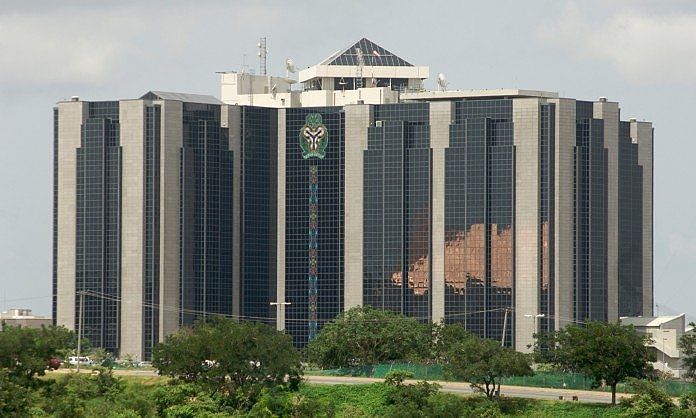
This optimistic outlook, detailed in the newly released Central Bank of Nigeria (CBN) 2026 Macroeconomic Outlook, marks a transition from the aggressive fiscal reforms of the past two years toward a period of sustained “macroeconomic normalization.”
Central to this forecast is the ambitious target to slash headline inflation to an annual average of 12.94%. This would represent a massive decline from the 21% average projected for 2025 and the 30% peaks seen during the height of the currency float transition.
CBN attributes this expected drop to a combination of improved food security, a more stable exchange rate, and the “price war” in the energy sector as local refineries reach full capacity, driving down transportation and production costs.
In December 2025, the Dangote refinery slashed petrol prices, and promised increased output by the first quarter of 2026.
“Inflation is expected to continue its downward trend in 2026. The inflation outlook is predicated on continued stability in the foreign exchange and energy markets, the lagged effect of previous rate hikes, and improved policy coordination.” CBN noted.
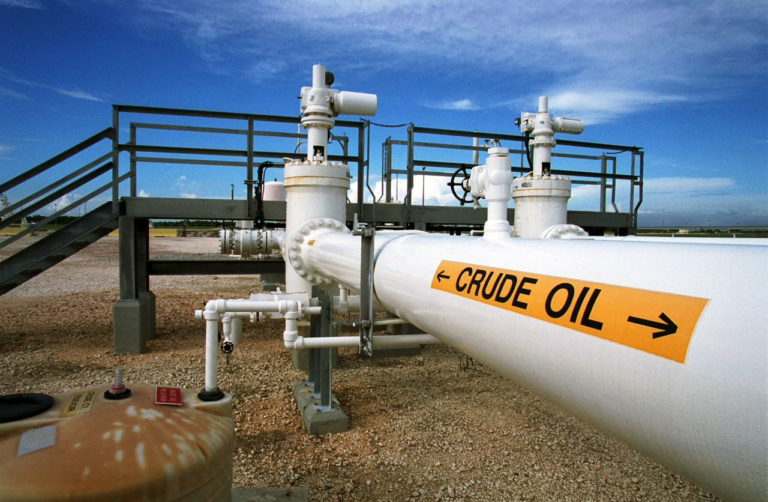
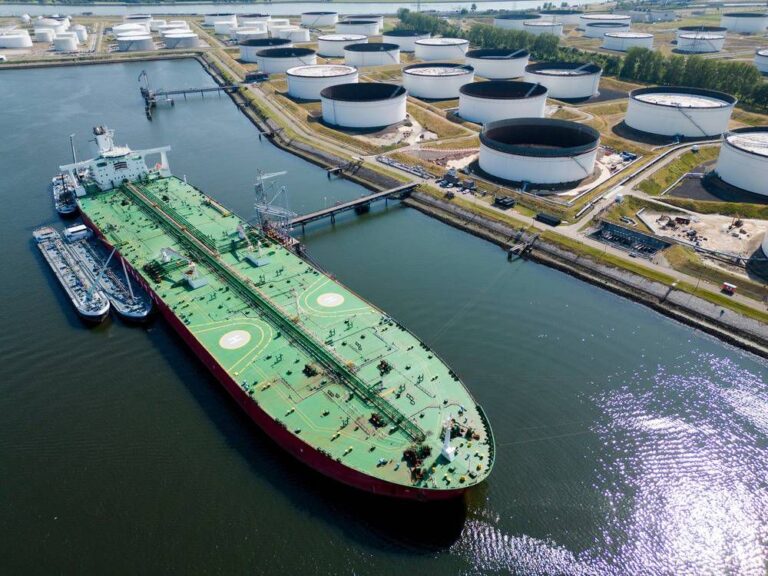
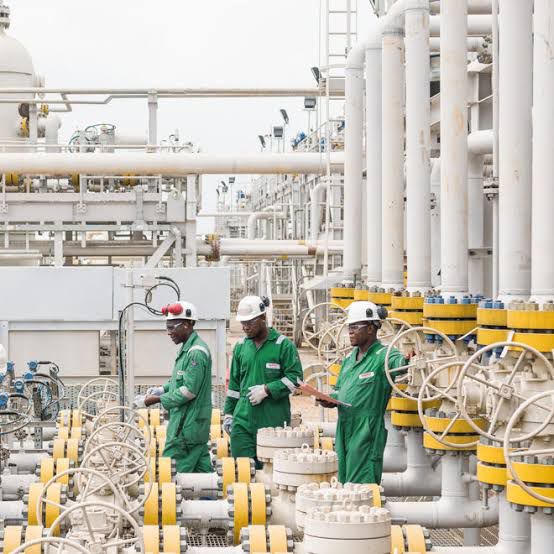
The growth engine for 2026 is expected to be fueled by a recovery in oil production, which is targeted at 1.71 million barrels per day. This resurgence hinges on the continued success of enhanced security measures in the Niger Delta, which have begun to significantly curb crude oil theft.
Beyond oil, the services sector—led by Information and Communication Technology, Finance, and Trade—is expected to remain the dominant contributor to the nation’s wealth, accounting for more than half of the projected expansion.
Financial stability also forms a cornerstone of the 2026 plan. CBN anticipates that foreign exchange reserves will climb to over $51 billion, bolstered by stronger export earnings and increased Diaspora remittances.
This liquidity is expected to keep the Naira relatively stable, with projections placing the exchange rate in the range of N1,400 to N1,500 per dollar. Such stability is viewed as critical for restoring investor confidence and allowing the private sector to engage in long-term capital planning.
However, the outlook is not without its challenges. Economic analysts note that the government must still navigate a heavy debt-servicing burden, which is estimated to consume a significant portion of federal revenue. In the projected N58 trillion 2026 budget, 27% is earmarked for debt servicing.
Furthermore, achieving the growth target will require the successful implementation of the 2025 Tax Act, which aims to broaden the tax base without stifling the nascent recovery of small and medium-sized enterprises.
As Nigeria moves toward this 2026 milestone, the shift in focus from “stabilization” to “growth” suggests a growing confidence that the most volatile effects of recent economic restructuring have passed. If these targets are met, 2026 could represent the year that the average Nigerian begins to feel the tangible benefits of a more predictable and resilient economy.