
By: ThinkBusiness Africa
The Nigerian Federal Government has formally declared an end to the “acute phase” of Nigeria’s economic crisis, signaling a decisive shift from stabilization to a period of consolidation.
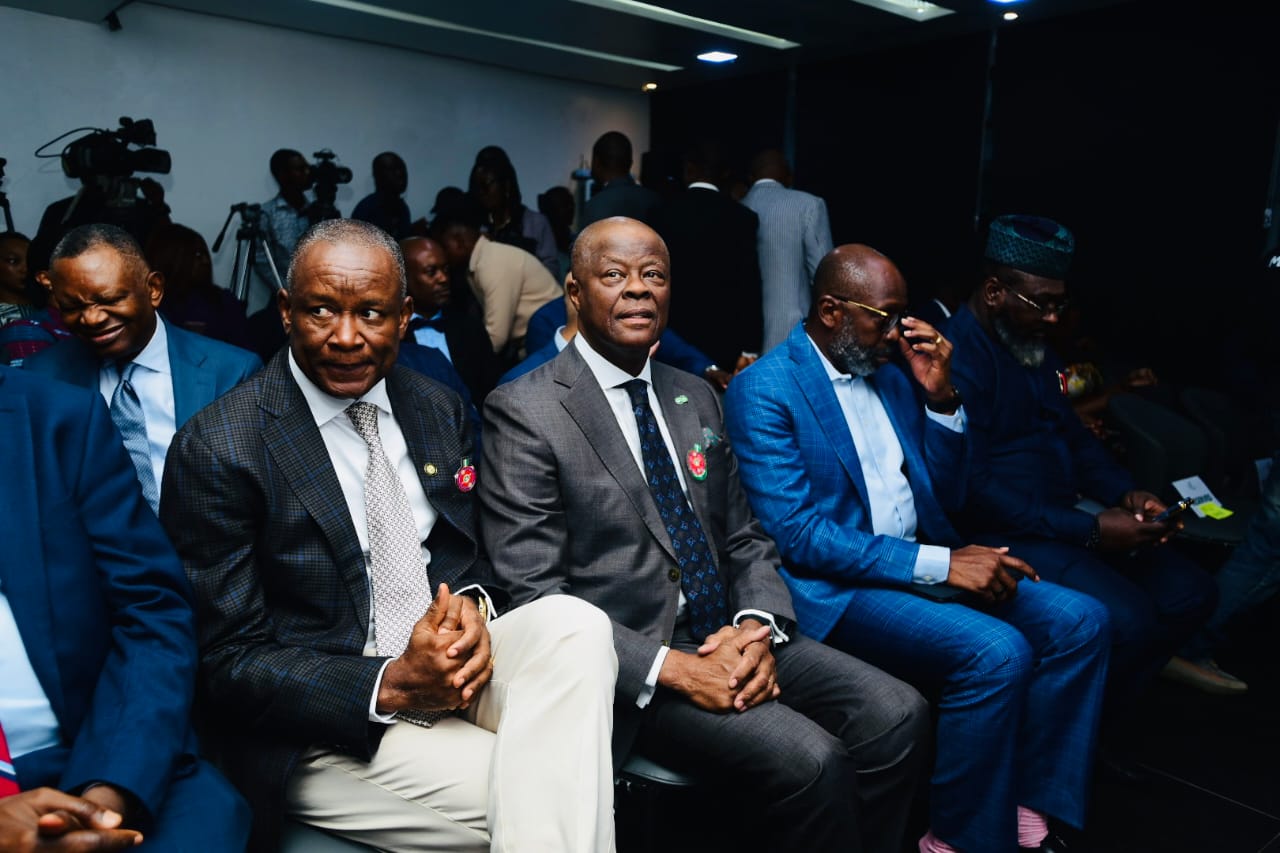
Speaking at the launch of the Nigerian Economic Summit Group (NESG) 2026 Macroeconomic Outlook Report in Lagos on Thursday, the Minister of Finance and Coordinating Minister of the Economy, Mr. Wale Edun, in his keynote address asserted that the nation has reached a critical turning point.
“Nigeria cannot afford to pause or retreat,” Edun told an audience of business leaders. “After two years of difficult but necessary reforms, we have moved from stabilization to the threshold of consolidation. Success now depends on whether we can translate these gains into sustained growth, productive jobs, and improved living standards.” He said.
The Minister noted the reforms embarked by the government has brought economic recovery, following a turbulent 2024. He pointed the administration’s 2025 performance indicators suggest a stabilizing ship:
- Inflation: Dropped significantly from a peak of 33.18% in 2024 to 14.45% by November 2025.
- GDP Growth: Averaged 3.78% by Q3 2025, with expansion recorded across 27 different sectors.
- External Reserves: Strengthened to US$45.5 billion from $38 billion in 2024, providing a more robust cushion for the Naira.
- Exchange Rate: Stabilized below the N1,500/$ mark, easing the volatility that plagued the previous year.
On Monday, The World Bank upgraded its outlook for Nigeria, projecting a 4.4% GDP growth, up from 3.7% earlier June 2025 forecast, reflecting confidence in the ongoing structural reforms and a stabilizing macroeconomic environment.
Addressing public concerns over Nigeria’s rising debt profile, Edun provided a transparent breakdown of the N152 trillion public debt figure. He clarified that the surge was not a result of “reckless borrowing” but rather a move toward fiscal transparency and accounting accuracy.
He said N30 trillion reflects previously unrecorded “Ways and Means” advances from the Central Bank that have now been formally recognized on the books.
Nearly N49 trillion of the increase is attributed to the revaluation of existing foreign debt following FX reforms. Due to the reforms, the Naira depreciated against the U.S.
Despite the high nominal figure, Nigeria’s debt-to-GDP ratio has declined to 36.1%, which remains among the lowest in Africa and well below global averages of 50%-70%.
Looking ahead, the Minister detailed the framework for the 2026 fiscal year, anchored by President Bola Tinubu’s N58.18 trillion “Budget of Consolidation, Renewed Resilience, and Shared Prosperity.”
A standout feature of the 2026 plan is the massive N26 trillion allocation for capital spending—representing 44% of the total budget. This marks one of the largest infrastructure-focused spending plans in the nation’s history, aimed at addressing the bottlenecks in electricity, roads, and housing.
The NESG report, themed “Consolidating Economic Stabilisation Gains: Pathway to Sustainable Growth,” echoes the Minister’s sentiment but adds a cautionary note. While the “acute crisis” may be over, the group warns that the next 18 months represent a critical window to prevent policy reversal.