
By: ThinkBusiness Africa
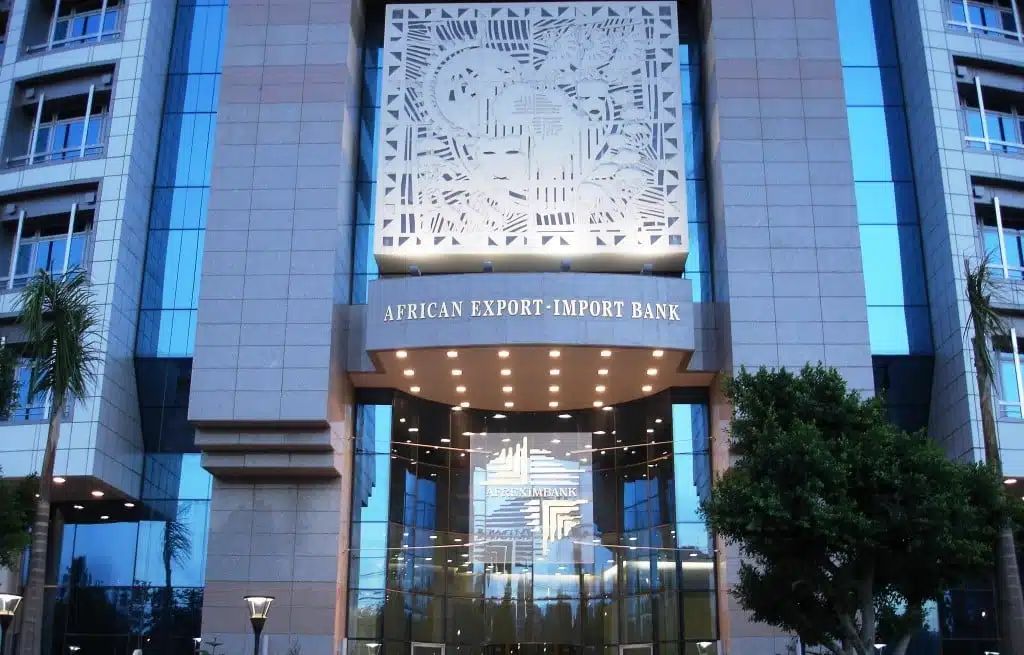
The African Export-Import Bank (Afreximbank) officially terminated its relationship with Fitch Ratings on Friday. After a long-simmering dispute, Afreximbank said its Non-performing-Loans (NPLs) were miscalculated.
Afreximbank cited in a statement that the partnership ended after a rigorous review, concluding that Fitch’s methodologies failed to grasp the bank’s unique legal protections and its fundamental mission.
In 2025, Fitch downgraded the Cairo-based lender to BBB- with a negative outlook. Amid the split is a fundamental disagreement over NPLs and the sanctity of Preferred Creditor Status (PCS).
Fitch’s analysts calculated Afreximbank’s NPLs ratio at 7.1% by the end of 2024, including risk of default exposures to nations like South Sudan and Zambia. Afreximbank countered that its actual NPL ratio sat at a much leaner 2.4%.
Afreximbank argues that its “Establishment Agreement”—a treaty signed by member states—grants it immunity from sovereign debt restructurings.
Fitch, however, believed those nations would likely default on their loans and treated these sovereign exposures as high-risk, a move the African Union (AU) previously labeled as “flawed” and “pro-cyclical.”
“The credit rating exercise no longer reflects a good understanding of the Bank’s Establishment Agreement, its mission, and its mandate,” the bank said.
While the bank has severed ties with Fitch, it maintains a robust and diverse credit profile supported by several other major international and regional agencies.
As of early 2026, Afreximbank’s creditworthiness is anchored by a AAA rating from China Chengxin (CCXI), which remains a critical gateway for the bank’s activities in the Chinese “Panda” bond market.
Regionally, the bank holds an A rating from GCR Ratings, reflecting its strong Pan-African footprint, while Japan Credit Rating (JCR) maintains an A- rating, which is essential for the bank’s continued access to the Japanese “Samurai” bond market.
Furthermore, Moody’s continues to provide a primary link to Western capital markets with a Baa2 rating and a stable outlook, ensuring the bank remains attractive to a broad base of global investors despite the Fitch exit.
For years, African leaders have complained about the higher interest rates paid by African entities due to what they perceive as biased risk assessments by the “Big Three” agencies (S&P, Moody’s, and Fitch).
Experts at South African Institute of International Affairs (SAIIA) said miscalculations from the “Big Three” are costing the continent $74.5 billion investment loss annually.