

The Nigerian authorities are closely watching the Middle East escalation to shield the nation’s economy from potential fallout, the Ministry of Finance said on Wednesday.
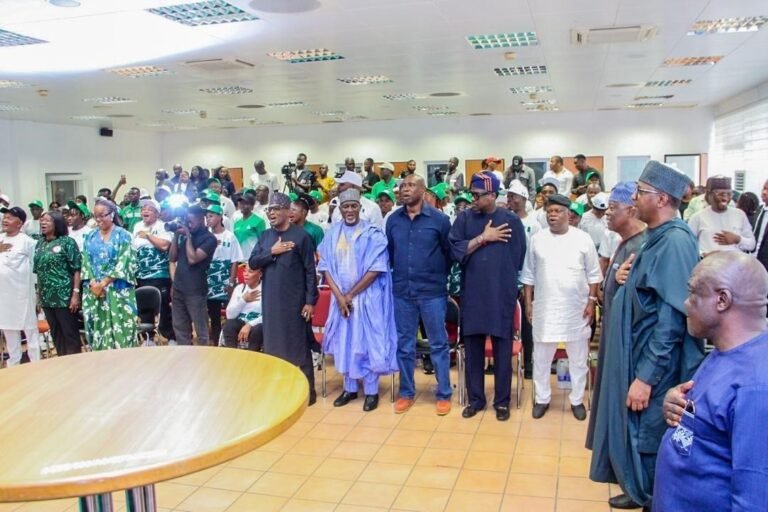
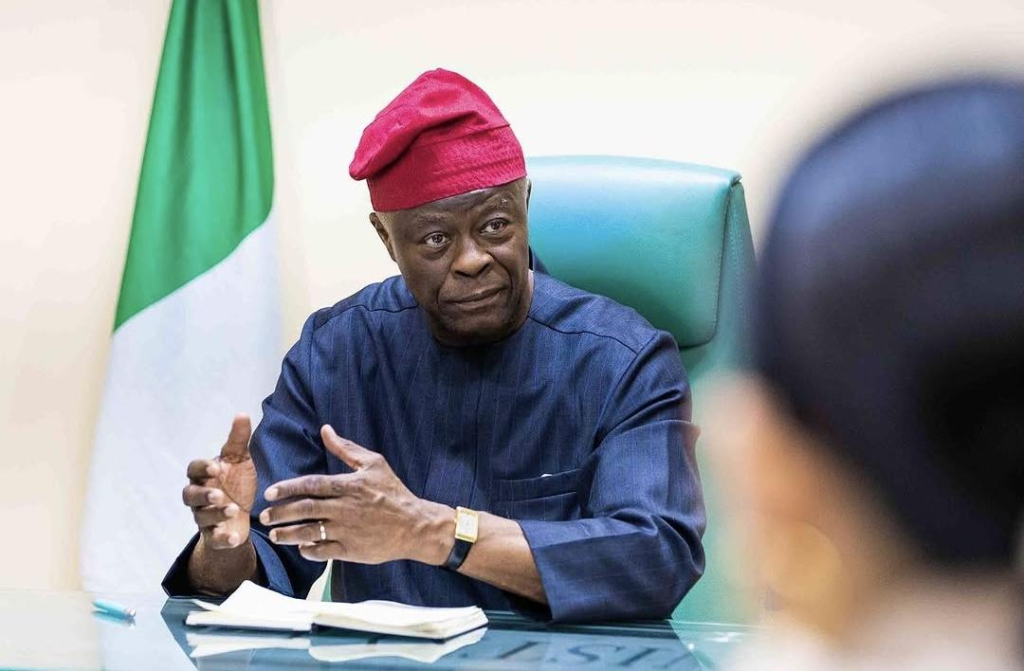
Wale Edun, the Minister of Finance, convened a meeting of the country’s Economic Management Team (EMT), noting that disruptions of critical supply routes, especially the strait of Hormuz is already triggering volatility in the global crude oil market, and driving up domestic prices of fuel, diesel, cooking gas, and fertilizer.
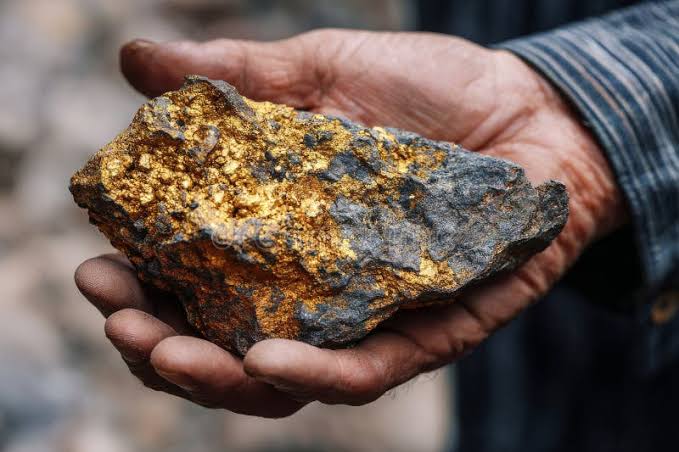
The minister highlighted that US-Israel conflict with Iran tensions could trigger capital flight, as investors would prefer to keep their money in safe-haven assets like gold, shifting this investment away from emerging markets, including Nigeria.
However, if the escalation is sustained for a longer term, the authorities warned that it could heighten inflation and balloon the cost of living for Nigerians.
In a separate meeting, the Minister also chaired a Naira-for-Crude policy coordination meeting to review energy market developments and their domestic implications.
Notwithstanding the global uncertainty, the ministry said Nigeria stands strong, citing 4.07% real GDP growth in the fourth quarter of 2025 —“ one of the strongest quarterly performances over the last 10 years.”
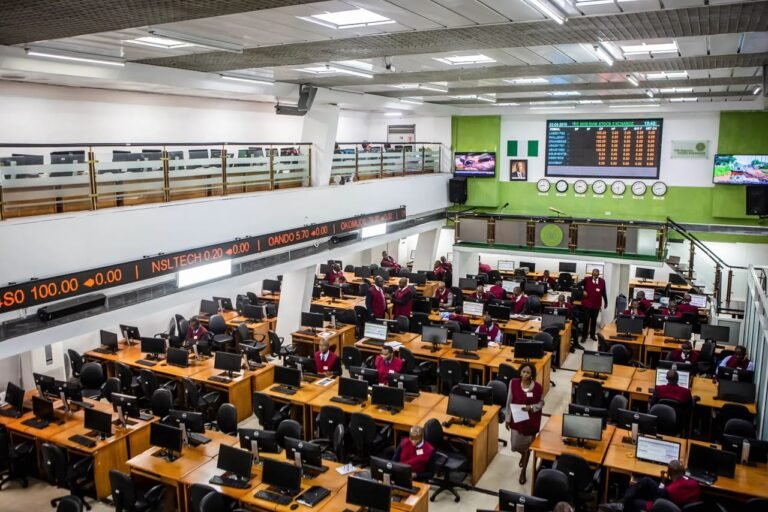
The EMT are closely monitoring key macroeconomic indicators, including crude oil prices, exchange rate developments, capital flows, and implications for Nigeria’s fiscal outlook and external reserves.