LAGOS — the World Bank on Tuesday projected that Nigeria’s economy will remain resilient and achieve growth through the first half (H1) of 2026, even as the escalating conflict involving Iran threatens global market stability.
In its latest economic assessment, the Washington-based lender noted that while the country’s macroeconomic foundations are strengthening, rising fuel costs and “persistently high” inflation risk stalling poverty reduction efforts.
Despite the geopolitical volatility in the Middle East, the World Bank maintained a positive outlook for Nigeria’s GDP, citing the continued impact of structural reforms and improved fiscal management.
The report suggests that Nigeria’s position as a non-Middle Eastern oil producer has allowed it to partially buffer the shocks that have disrupted other emerging markets.
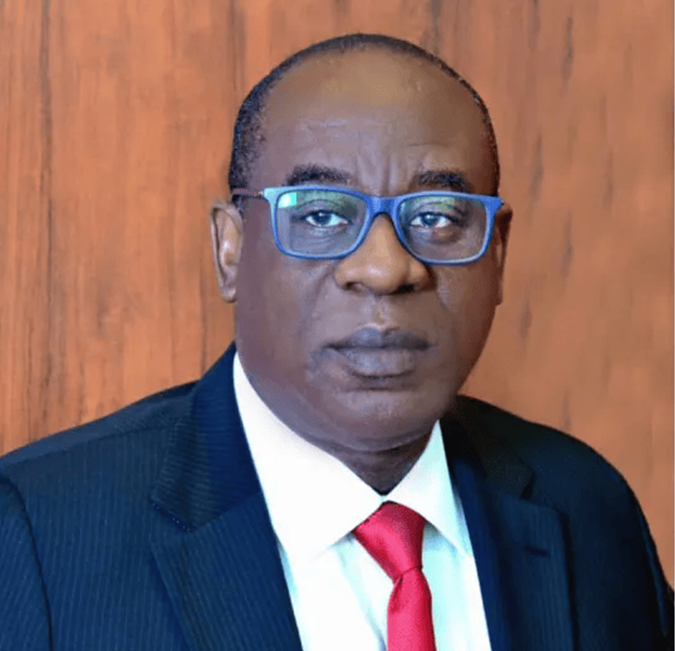
“Overall business activity has been expanding over the past few months, suggesting the impact on growth has been relatively contained. But the shock is still being felt through higher inflation.” Fiseha Haile, World Bank Nigeria lead economist said during a presentation in the capital Abuja.
However, the bank warned that this growth remains fragile. The conflict has driven global energy prices higher, which has translated into a sharp spike in domestic pump prices and logistics costs.
The most significant headwind remains the “inflationary squeeze.” Although sound monetary policies from the Central Bank of Nigeria (CBN) had previously cooled prices to 15.1% in February 2026, the “second-round effects” of the Iran war are now pushing food and energy costs back into a high-risk zone.
“Inflation is still elevated and under increasing pressure, and that poses risks to incomes and poverty reduction,” Haile said.
“The gains made in stabilizing the economy are being tested by external shocks,” “Without targeted interventions, the rise in living costs will likely offset the benefits of recent growth for the most vulnerable populations.”
On the fiscal side, the World Bank highlighted a stabilized debt-to-GDP ratio and a significant jump in non-oil revenue collection, which has now reached 8.5% of GDP. This improvement is credited to the successful N4.65 trillion banking sector recapitalization completed in March.
To sustain this momentum, the bank urged Nigerian policymakers to resist a return to broad-based subsidies. Instead, it recommended “saving the windfall” from current high oil prices to build a sovereign buffer.