LAGOS – The World Bank on Wednesday cut its 2026 economic growth forecast for Sub-Saharan Africa, warning that the region’s fragile recovery is “stalling” due to global trade disruptions and commodity price shocks triggered by the ongoing war in Iran.
In its latest Africa Economic Update, the lender lowered its 2026 growth projection for the region to 4.1%, down from the 4.4% it had forecast in October. The downgrade reflects a stark reality for the continent’s policymakers: a conflict thousands of miles away is now the primary threat to domestic stability and poverty reduction.
Key Takeaways
- Forecast Cut: 2026 growth revised to 4.1% (previously 4.4%).
- External Shock: Energy and fertilizer costs spiked following the escalation of the Iran conflict.
- Debt Pressure: High interest rates and debt-servicing costs now consume nearly 20% of government revenues in many SSA nations.
The conflict in the Middle East has sent shockwaves through global supply chains, specifically impacting the price of crude oil and agricultural inputs. For oil-importing African nations, the war has effectively neutralized the gains made from easing post-pandemic inflation.
“The recovery is basically stalling,” said Andrew Dabalen, World Bank Chief Economist for Africa. “While there was hope for a significant acceleration this year, the fallout from the Iran war has created a ‘perfect storm’ of higher import costs and reduced fiscal space.”
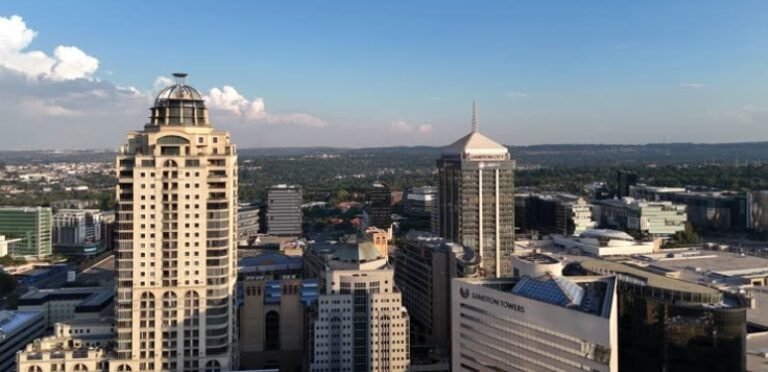
The Bank noted that roughly 60% of countries in the region saw their growth forecasts downgraded. Heavyweights like South Africa and Kenya are grappling with the twin pressures of high domestic interest rates and the rising cost of fuel, which has trickled down into food prices and transport costs.
Beyond energy, the report highlighted a growing “financing squeeze.” As global investors seek safe havens due to geopolitical uncertainty, capital flows to emerging markets have cooled. This has left many African governments unable to refinance their debts at affordable rates, forcing them to slash spending on education and healthcare.
However, on Tuesday, the Bank said that Nigeria’s economy will remain resilient and achieve growth through the first half (H1) of 2026, even as the escalating conflict involving Iran threatens global market stability.
The World Bank warned that unless the conflict stabilizes and global trade routes—particularly through the Strait of Hormuz—remain open, the region faces a “lost decade” of per capita income growth, potentially pushing millions more into extreme poverty by the end of 2026.