
LAGOS — Oil prices surged on Monday as renewed geopolitical volatility in the Middle East sparked fresh concerns over global supply stability. The rally effectively erased last week’s brief bearish trend following the collapse of a fragile regional ceasefire.
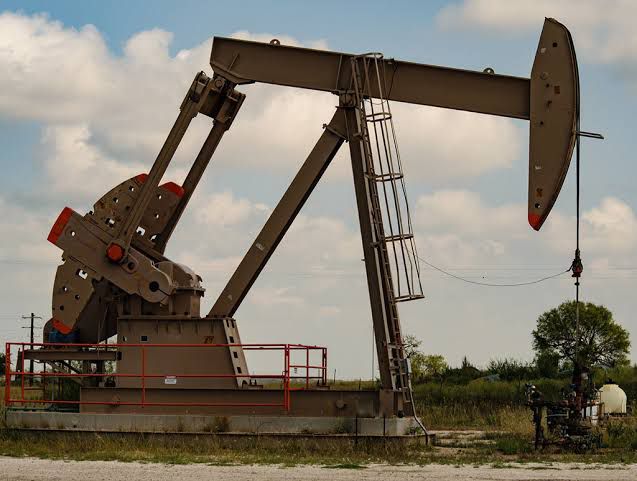
By mid-morning trading on Monday, April 20, Brent crude, the international benchmark, jumped 5.8% to $95.64 per barrel, while the U.S. standard, West Texas Intermediate (WTI), surged 6.4% to $87.90.
The escalation follows reports of a naval incident involving a commercial vessel over the weekend. This event led to the immediate reimposition of maritime restrictions, stranding several tankers and forcing shipping firms to seek more expensive alternative routes.
Energy analysts warn that the continued closure of the world’s most vital oil artery could push prices to $120 per barrel. The International Energy Agency has characterized the current disruption as one of the most significant supply risks in decades.
For emerging economies already battling persistent inflation, this spike in energy costs presents a major headwind. Higher crude prices are expected to put immediate pressure on domestic fuel costs and foreign exchange reserves across oil-importing nations.
Diplomatic efforts appear to have hit a stalemate as high-level negotiations scheduled for later this week remain in doubt. Markets remain highly sensitive to any further military developments, with volatility expected to persist throughout the current trading week.