
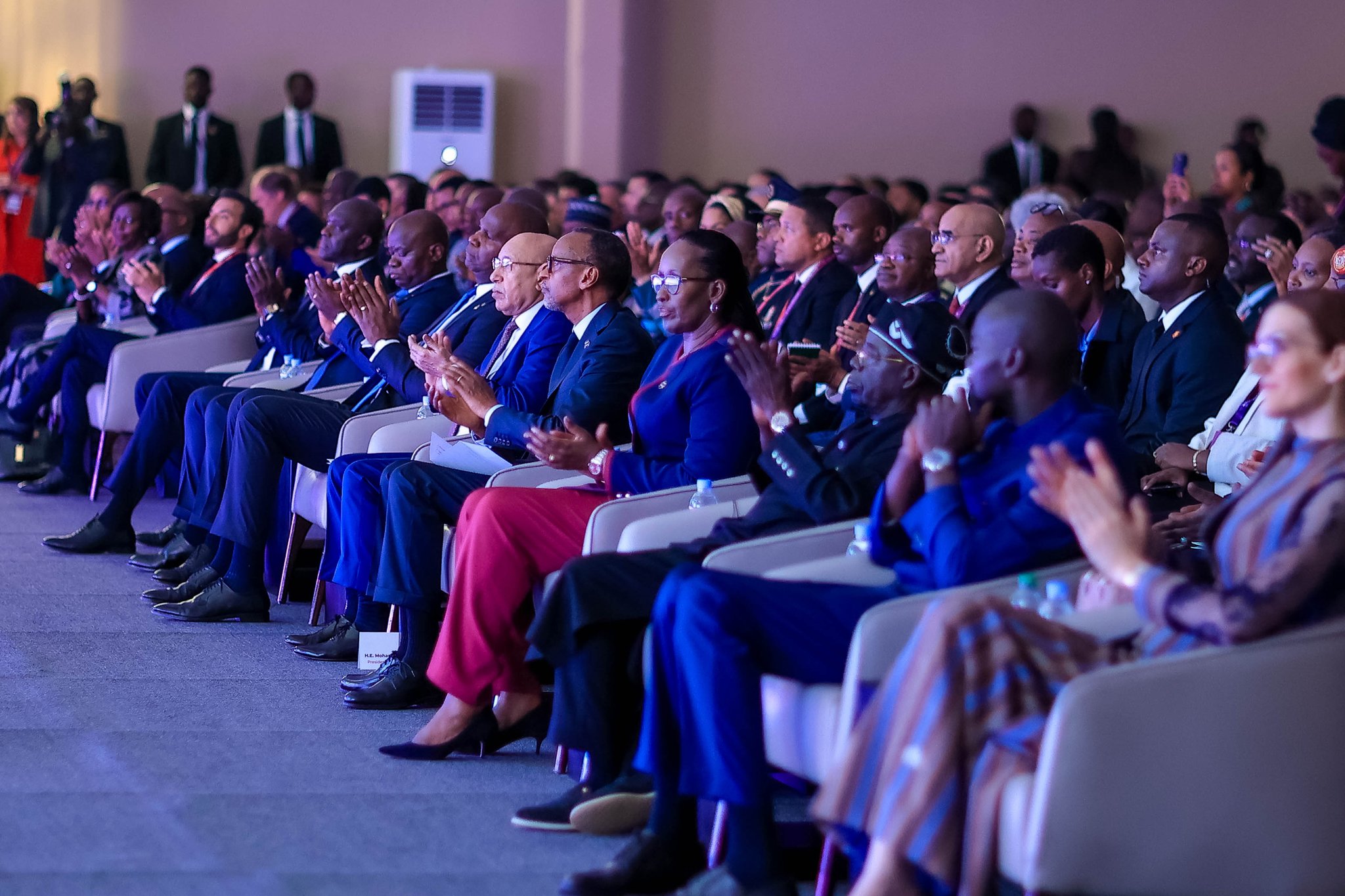
More than 2,800 global business leaders and heads of state converged in Kigali on Thursday for the 13th Africa CEO Forum, facing urgent warnings over economic fragmentation and mounting debt burdens.
Nigerian President Bola Tinubu stunned delegates by revealing that the continent’s largest economy will spend $11.6 billion on debt servicing in 2026, cautioning that escalating liabilities are severely suffocating vital domestic infrastructure.
Tinubu vigorously defended his administration’s aggressive economic overhauls, calling them “sovereign choices” necessary to restore long-term stability and shield the West African nation from volatile global market shocks.
The disclosure underscored the summit’s central theme, which demands rapid cross-border equity consolidation. “If Africa wants to compete in a world defined by scale, it must move beyond economic patriotism,” organisers stated.
Host President Paul Kagame opened the assembly with an authoritative charge for economic sovereignty, urging nations to pool institutional capital and build transnational corporate champions instead of navigating supply disruptions alone.
Global investors moved quickly to capitalize on the gathering, initiating major public-private commitments. “What matters now is putting that capital to work at scale,” noted IFC Managing Director Makhtar Diop.
Reaffirming this corporate push, APM Terminals pledged a fresh $600 million infrastructure investment into Nigerian maritime ports to build reliable, investable, and future-ready regional logistics systems amidst rapid global trade transitions.
Meanwhile, the World Bank’s International Finance Corporation dispatched a specialized team to Nigeria, aiming to immediately scale up local housing, energy, and sustainable livestock value chains.
These dynamic interventions come at a pivotal time, as volatile monetary policies, central bank interest rate revisions, and defensive regional trade blocs force corporate leaders to seek deeper integration under the AfCFTA framework.
International policymakers at the convention emphasized that harmonizing regulatory frameworks is no longer an optional luxury, but rather the primary line of defense required to shield emerging markets from systemic external vulnerabilities.