
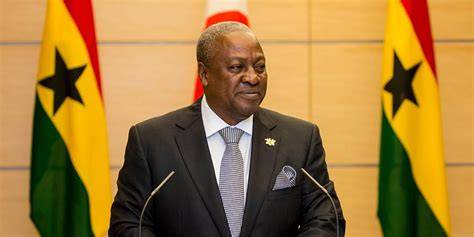
The Government of Ghana has officially concluded its US$3 billion Extended Credit Facility (ECF) with the International Monetary Fund, transitioning to a non-financing Policy Coordination Instrument following a rapid macroeconomic recovery.
The presidency announced Friday that the milestone represents the restoration of debt sustainability well ahead of schedule. The move marks the definitive end of Ghana’s financial bailout relationship with the Washington-based lender.
President John Mahama’s administration, which took office in 2025, implemented aggressive fiscal consolidation and expenditure rationalization. These reforms were designed to recalibrate the 36-month ECF programme that had faced derailment in late 2024.
“Ghana closes a defining chapter with the successful conclusion of the IMF Extended Credit Facility Programme, marking a major milestone in the government’s economic recovery and stability agenda.” The Ghana presidency stated in post on X (Twitter)
The $3 billion facility, first approved in May 2023, was anchored on structural reforms and debt restructuring. It provided critical balance-of-payments support through semi-annual tranches of approximately $360 million each.
The presidency cited economic data as justification for the exit, with gross international reserves hitting a peak of $14.5 billion in February 2026. This provides nearly six months of import cover, significantly bolstering the nation’s external buffers.
Sovereign credit ratings have consequently surged from restricted default to a ‘B’ rating by Fitch and Moody credit ratings with a positive outlook. This five-level upgrade reflects improved fiscal performance, normalized creditor relations, and renewed international market confidence.
Ghana said its transition to Policy Coordination Instrument (PCI) which will focus on technical assistance rather than financial disbursements. This framework aims to signal policy consistency to private investors while the government targets an eventual investment-grade rating.
“The PCI is a form of Technical Assistance engagement with the IMF. It is a non-financing instrument designed to help countries implement economic reforms, signal commitment to policies, and unlock financing from private investors and other development partners.” Presidency said in a statement.
This transition follows a volatile period for the Cedi and high inflation. However, recent trends show the currency has strengthened markedly as the central bank maintains a disciplined monetary stance to anchor expectations.