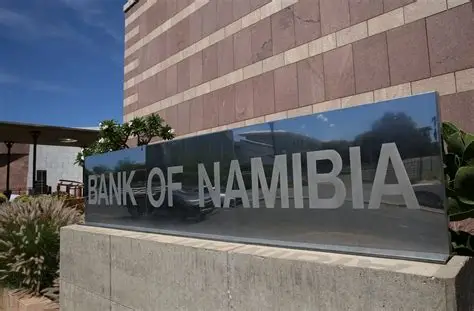
The Bank of Namibia raised its benchmark repo rate by 25 basis points to 6.75% on Wednesday, marking its first monetary tightening in three years to combat rising global energy costs.
Governor Ebson Uanguta announced the decision following the Monetary Policy Committee meeting, stating the move is crucial to anchor inflation expectations and safeguard the Namibia Dollar’s one-to-one peg with the South African Rand.
The policy shift directly pushes the commercial prime lending rate from 10.00% to 10.25%, immediately increasing borrowing costs for domestic consumers and businesses across the country.
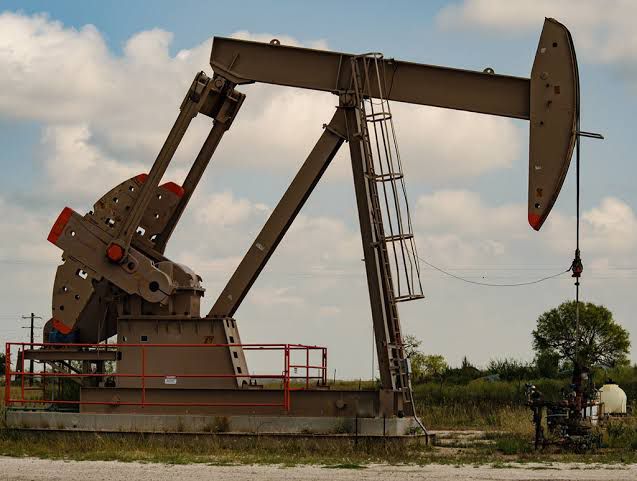
Central bank officials simultaneously revised Namibia’s 2026 average headline inflation forecast upward to 4.0%, driven by volatile international oil prices that forced domestic inflation from 2.1% in March to 4.1% in May.
The aggressive rate hike comes despite fragile domestic growth, with sluggish early-2026 activity reported across mining, manufacturing, and construction, though a strong rebound in agricultural crop yields provided some economic cushion.
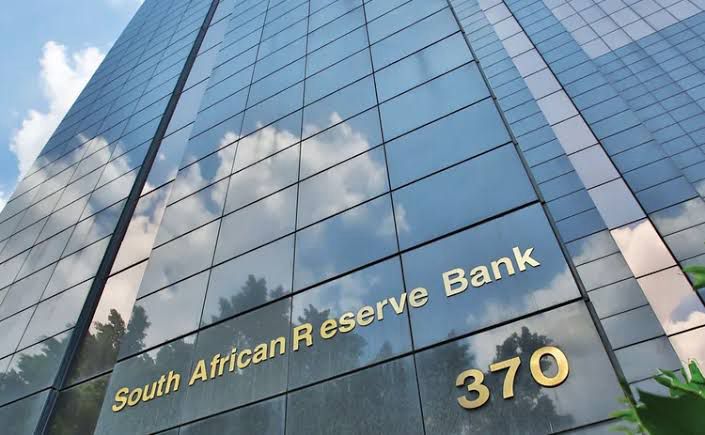
The decision mirrors recent regional monetary pressures. South Africa’s Reserve Bank has maintained a restrictive stance throughout 2026, forcing Namibia to match tightening cycles to prevent capital flight and defend its foreign exchange reserves.
Foreign reserves stood at 53.1 billion Namibia Dollars in May, sufficient to cover 3.9 months of imports, which the central bank deemed healthy enough to support the currency peg despite mounting external shocks.
Analysts note this first increase since 2023 signals an end to Namibia’s prolonged monetary pause, as policymakers globally battle secondary inflation impacts from protracted geopolitical tensions disrupting major energy shipping corridors.