

Cameroon’s annual solid mineral revenue is projected to surpass 1 trillion CFA francs ($1.75 billion) in the short term, officially overtaking oil as the nation’s primary fiscal anchor.
The structural shift follows the launch of major industrial mining projects and a sweeping regulatory overhaul of the country’s highly informal gold sector, interim Mines Minister Fuh Calistus Gentry said on Thursday.
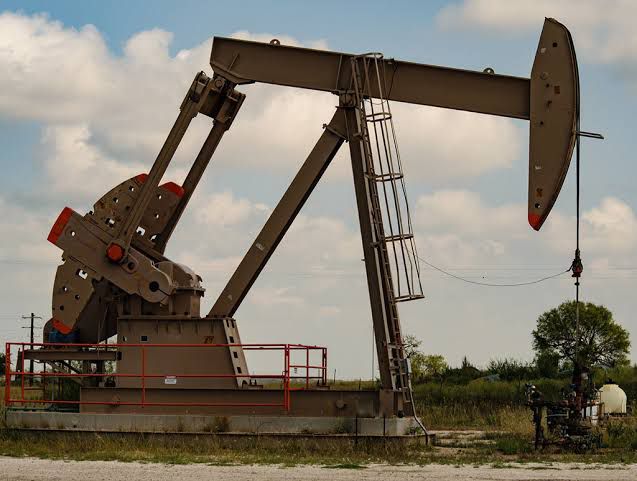
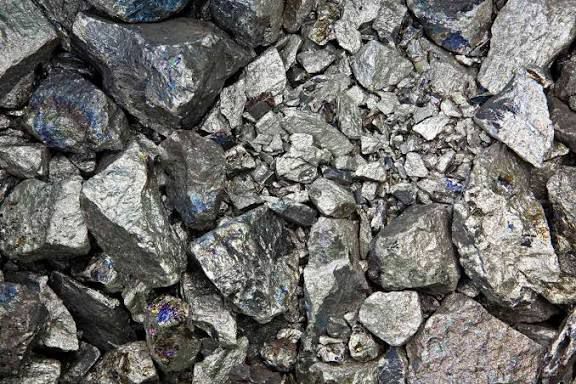
The government is actively transitioning toward large-scale solid mineral extraction to offset declining crude production. Key industrial iron ore projects, including Mbalam-Nabeba and Kribi-Lobé, are driving this revenue diversification drive.
To secure these targets, the ministry launched a major crackdown on illegal operations. Discrepancies between extracted and declared gold volumes have severely depleted state coffers.
“The main problem does not necessarily lie in the disappearance of gold belonging to the state, but in the under-reporting of part of the production,” Gentry told journalists during a press briefing.
Authorities estimate that illicit gold smuggling to the United Arab Emirates cost the state approximately 2 trillion CFA francs ($3.5 billion) in lost tax revenues over the past five years.
The government has referred 137 unlicensed mining operators to national courts. New directives mandate a minimum monthly gold delivery threshold of 5 kilograms per compliant operator to curb under-reporting.
The state-backed National Mining Corporation, Sonamines, is spearheading these containment measures. Plans are underway to establish localized gold processing units to lock in value-added processing locally.
Historically, Cameroon’s non-oil mining sector contributed less than 1% to gross domestic product. This aggressive fiscal pivot aims to stabilize foreign exchange reserves amidst rising sovereign debt obligations.