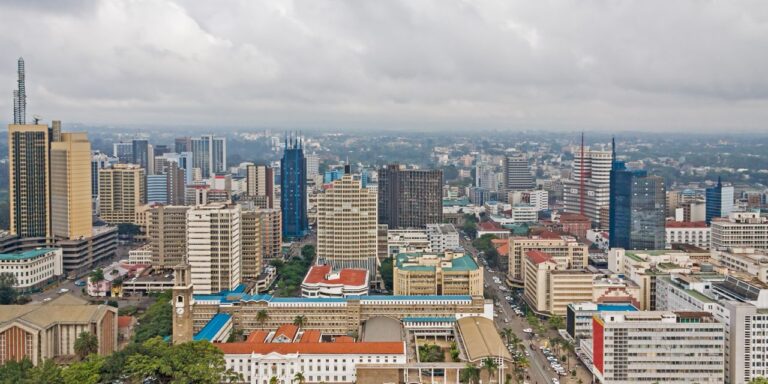
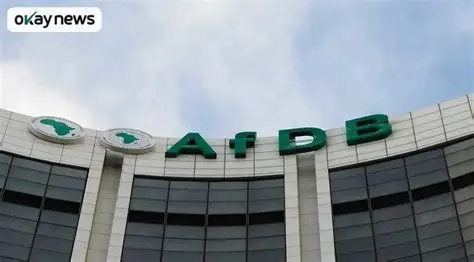
Over 3,000 delegates gathered Monday in the Republic of Congo for the African Development Bank (AfDB) annual meeting, facing a critical $400 billion annual financing deficit and a neighboring Ebola outbreak.
The five-day summit in Brazzaville commenced as overseas development assistance from wealthy nations plummeted. This decline leaves the continent struggling to finance vital energy, infrastructure, and climate adaptation projects.
Compounding the financial pressure, a deadly Ebola outbreak across the border in the Democratic Republic of Congo has spread to Uganda. The outbreak has caused more than 170 suspected deaths, rattling investor confidence.
Host authorities stated that no domestic cases have been reported. Following World Health Organization guidance, they confirmed that no travel or operational restrictions are in place for the regional summit.
The summit marks the first annual meeting for AfDB President Sidi Ould Tah. He took office in September 2025, inheriting a fractured global capital market with sharply rising borrowing costs.
Ould Tah is heavily promoting the New African Financial Architecture for Development. This framework aims to aggressively mobilize Africa’s estimated $4 trillion in domestic pension, insurance, and sovereign wealth assets.
“Under this new framework, these resources will be marshalled and leveraged to unleash the continent’s capital power,” Ould Tah stated, pledging to “make every dollar work like ten.”
Skeptics argue Africa’s 18% average domestic savings rate remains too low to fully replace foreign capital. They insist internal funds must instead be strategically deployed to de-risk projects for external investors.
Despite regional health anxieties, the bank successfully launched its proceedings. Strategic focus remains fixed on the historic $11 billion seventeenth replenishment of the African Development Fund, finalized last December in London.
Delegates from 81 member countries will continue negotiations through Friday. They seek unified financial mechanisms to protect the continent from deepening geopolitical fragmentation and volatile international donor shifts.