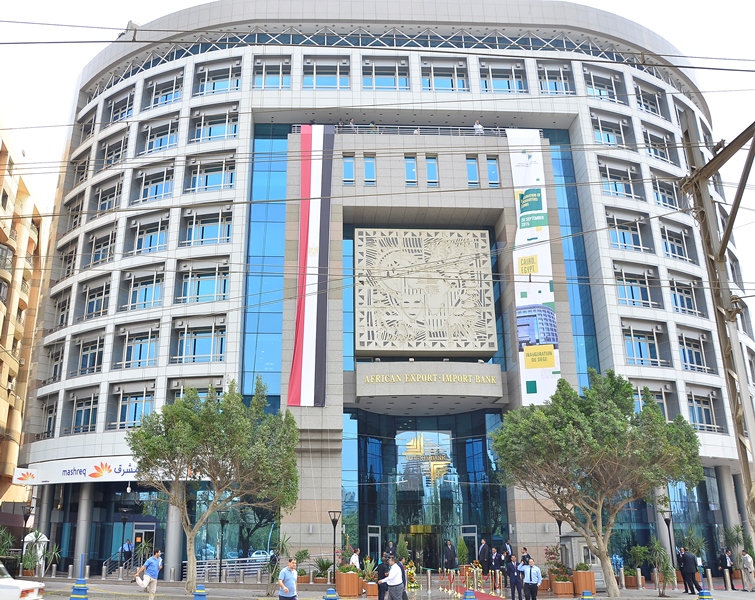
The African Export-Import Bank (Afreximbank) has projected a significant cooling of global price pressures, forecasting that headline inflation will descend to approximately 3.8% before the final quarter of 2026.
In its latest market update, “Monthly Developments in the African Macroeconomic Environment,” the bank characterizes the current global landscape as a transition from successive shocks toward a period of cautious stabilization. While the drop from previous years’ highs signals relief, the report warns that the era of “cheap money” is effectively over, as high public debt and tighter global liquidity are likely to keep interest rates higher for longer.
Beneath the surface of this 3.8% projection lies a structural transformation in the world economy. Global output is estimated to expand by 3.3% through 2026, a resilient figure that nonetheless represents a downshift from the pre-2008 average of nearly 4%.
Afreximbank researchers identified several factors keeping a floor under inflation, including persistent services inflation in advanced economies and the concentration of AI and digital infrastructure investments in a few select markets. The report emphasizes that the 3.8% outlook remains sensitive to ongoing geopolitical tensions, climate-related supply chain disruptions, and energy price volatility.
For African economies, the retreat of global inflation is a double-edged sword. While it may ease the cost of imported goods, the “higher for longer” interest rate environment translates to elevated external borrowing costs for emerging and frontier markets.
The bank suggests that this environment underscores the urgency of strengthening intra-African trade and deepening regional value chains to navigate global fragmentation.
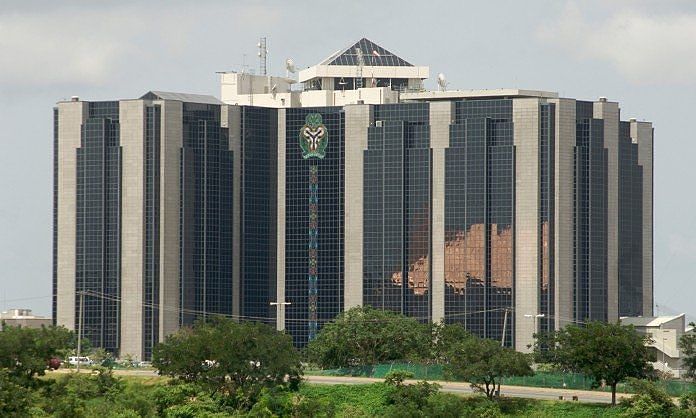
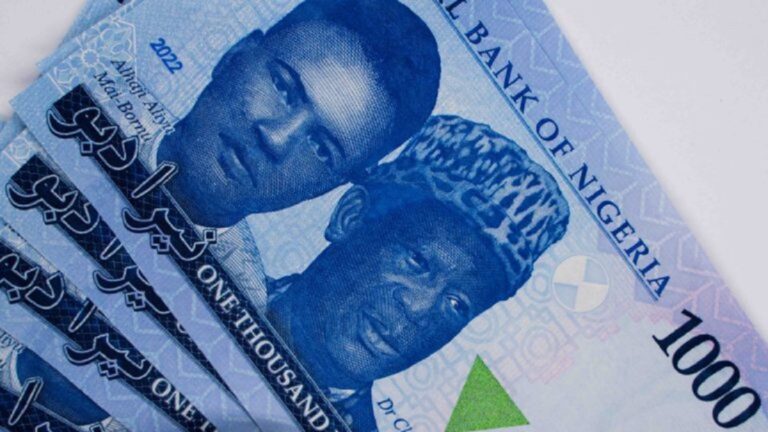
Locally, regional forecasts show a varied recovery; for instance, the Central Bank of Nigeria recently projected domestic inflation to ease toward 12.94% by 2026, while Ghana’s inflation is expected to moderate to roughly 9.9% as fiscal consolidation measures take hold.