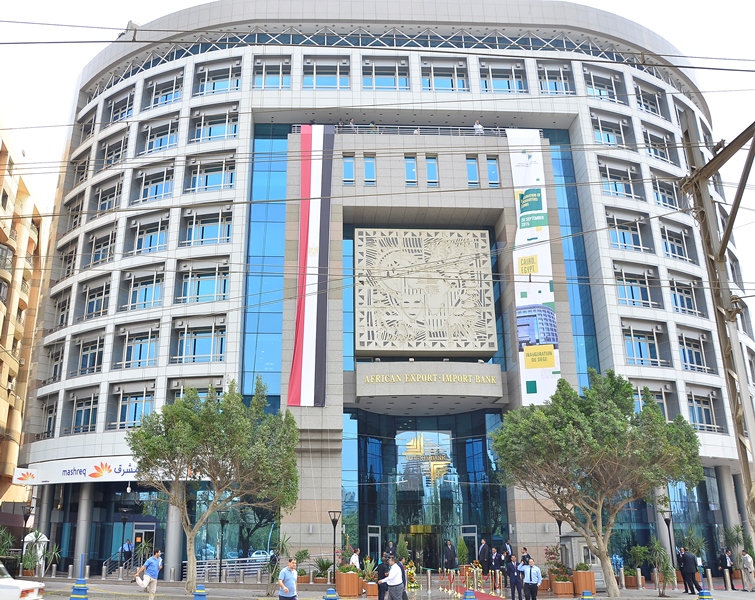
LAGOS– The African Export-Import Bank (Afreximbank) has successfully closed a $2 billion dual-tranche syndicated term loan facility, marking the largest debt capital markets transaction in the institution’s history.
The facility, which was initially launched with a target of $1.5 billion, witnessed a significant oversubscription of approximately 1.57x, reaching total commitments of $2.36 billion from a diverse pool of global lenders. The bank ultimately scaled the final hold to $2 billion to balance its immediate liquidity requirements with its long-term debt maturity profile.
Strategic Capital Injection
The three-year facility is structured into two distinct tranches to tap into varied liquidity pools:
- Tranche A: $1.73 billion
- Tranche B: €228 million
The proceeds are earmarked for refinancing existing high-cost obligations and providing the bank with the “firepower” needed for general corporate purposes, including its mandate to bridge the African trade finance gap—currently estimated to exceed $80 billion annually.
The transaction saw participation from a consortium of 31 banks spanning Europe, the Middle East, Asia, and Africa. The deal was spearheaded by a trio of Joint Bookrunners and Initial Mandated Lead Arrangers (IMLAs): Mashreqbank PSC, MUFG Bank, Ltd., and Standard Chartered Bank.
“This record-breaking transaction is a powerful endorsement of Afreximbank’s financial resilience and its ‘Preferred Creditor Status’ on the continent,” a spokesperson for the bank stated. “The scale of international interest, despite global macroeconomic headwinds, underscores the market’s confidence in our specialized role as a catalyst for intra-African trade.”
The timing of the facility is notable, occurring shortly after Afreximbank concluded a rating engagement with Fitch Ratings. Despite this transition, the bank has maintained an aggressive lending posture.
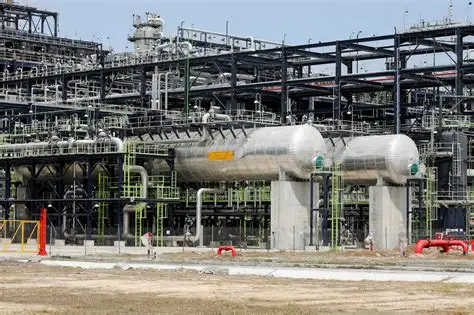
Market analysts point to the bank’s recent heavy involvement in large-scale industrial projects, including its role as a lead underwriter for a $2.5 billion portion of a wider syndicated loan for the Dangote Petroleum Refinery.