
Ghana clears $1.47 billion energy debt; restores World Bank guarantee
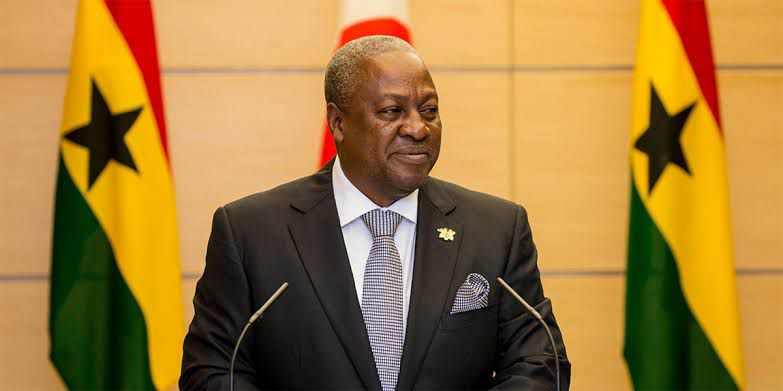
By: ThinkBusiness Africa The Government of Ghana has successfully wiped out $1.47 billion in crippling energy sector debt within the 2025 fiscal year, marking a significant milestone in the nation’s economic recovery, its finance ministry said in a statement on Monday. The Ministry of Finance announced that these strategic payments have effectively restored the World Bank Partial Risk Guarantee (PRG) and resolved years of accumulated arrears that had pushed the energy sector to the brink of collapse. “President John Dramani Mahama, has decisively resolved the crippling energy sector debt that posed one of the gravest risks to Ghana’s financial stability”. The Ministry of finance noted. Upon taking office in January 2025, the current administration, led by President John Dramani Mahama, inherited an energy sector burdened by non-payment for gas and a depleted World Bank guarantee. “The exhaustion of the Partial Risk Guarantee was a serious governance failure that undermined Ghana’s international credibility,” the Ministry stated. “By clearing these debts, we have reaffirmed Ghana’s standing as a reliable partner on the global stage.” It noted. The government’s comprehensive $1.47 billion debt clearance strategy focused on three primary areas. The largest single allocation was $597.15 million, which was used to fully repay the balance and interest drawn on the World Bank Partial Risk Guarantee (PRG), effectively restoring the facility to its full $500 million capacity. To ensure a steady supply of fuel for power generation, the Ministry also settled $480 million in outstanding gas supply invoices owed to ENI and Vitol for resources from the Offshore Cape Three Points (OCTP) field. Additionally, a significant portion of the funds, totaling $393 million, was dedicated to clearing legacy arrears owed to several Independent Power Producers (IPPs). The restoration of the World Bank Partial Risk Guarantee is viewed as the most critical achievement of this fiscal exercise. Originally established in 2015, the PRG was a safeguard that unlocked nearly US$8 billion in private investment. Its depletion under the previous administration had caused significant friction with international lenders. With the facility now fully reinstated, the government aims to attract new investments to expand gas-to-power infrastructure, as outlined in the 2026 “Big Push” Programme. Ghana’s electricity sector has been growing steadily. Last November, Ghana’s Finance Minister, Dr. Cassiel Ato Forson, said the Electricity Company of Ghana (ECG) increased its monthly revenue by almost 90%, rising from 900 million Ghanaian Cedis to 1.7 billion Cedis. With the energy sector’s “grave risk” neutralized, the government is now shifting focus toward the 2026 “Big Push” Programme, which includes the construction of a new 1,200-megawatt state-owned thermal plant and the expansion of renewable energy to 15% of the national mix by 2030.
Q1: Nigerian households foresee improving economy despite persistent price pressures
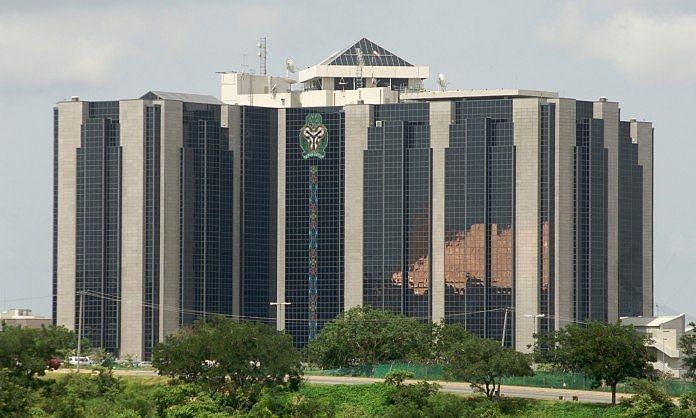
By: ThinkBusiness Africa Nigerian households are showing renewed economic optimism as the new year begins, with consumer confidence projected to rise to 16.4 points over the next three months. This positive outlook is primarily driven by anticipated improvements in family income, personal financial situations, and broader economic conditions. This is according to the December 2025 Household Expectations Survey from the Central Bank of Nigeria (CBN), The recent findings mark a significant shift in the national mood. In December 2025, the Overall Consumer Sentiment index rose to 4.8 points, up from 1.9 points in November. This reflects the second consecutive month of optimism since May 2024, suggesting a potential long-term recovery in consumer confidence. The index for broader economic conditions jumped to 9.7 points in December, compared to 6.3 in the previous month. Also, Sentiment regarding household earnings grew to 10.2 points. While still in negative territory, the Family Financial Situation Index improved significantly from -10.3 to -5.4 points, signaling a decrease in household pessimism. “Over the next three months, consumer optimism is expected to rise to 16.4 points, driven by anticipated improvements in family income, economic conditions, and financial situations.” The report noted. Despite the growing optimism, households remain wary of price levels. The Consumer Sentiments Index for prices improved slightly to -1.4 points in December, indicating a perception that while prices remain high, the rate of increase is moderating. However, this relief may be temporary. Consumers anticipate that the average prices of selected items will rise over the next six months. Prices for essential items like Food & Other Household Items were perceived as low in December (-25.3 points), but expectations for the next quarter show a potential tightening of market conditions. As confidence grows, Nigerian families are focusing their spending on necessity rather than luxury. The expenditure outlook for the next three to six months remains dominated by basic needs: Food, Education and Transportation. According to the report, there is still a notable “limited willingness” to spend on big-ticket items. Indices for purchasing houses (-63.0), vehicles (-61.3), and investments (-39.6) remain pessimistic, though they are expected to see moderate improvements by mid-2026. The upward trajectory is expected to continue well into the year. The consumer outlook for June 2026 is even more robust, reaching 20.7 index points. This long-term optimism suggests that if current economic trends hold, the Nigerian economy could see a substantial increase in consumer activity and broader macroeconomic stability in the months to come. The rise in optimism is closely tied to a cooling inflation environment. National Bureau of Statistics (NBS) data shows that 2025 was a year of aggressive “disinflation,” largely aided by favorable base effects and improved harvests. By November 2025, the annual headline inflation rate had dropped for eight consecutive months to 14.45%, significantly down from the 34.60% recorded in November 2024. Food inflation, the most volatile component of the basket, saw an even more dramatic decline, falling to 11.08% in November 2025—a massive drop from the near 40% levels seen the previous year.
Egypt seals $1.8 billion mega-deal for solar and battery storage
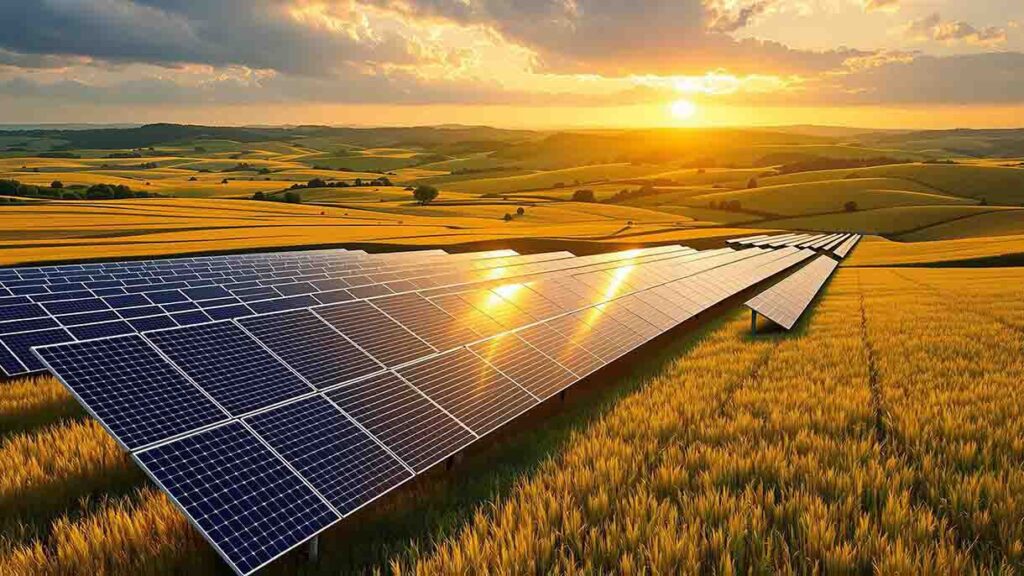
By: ThinkBusiness Africa Egyptian Prime Minister, Mostafa Madbouly presided over the signing of two historic energy agreements on Sunday. Totaling $1.8 billion, the deals with Norwegian energy giant Scatec and China’s Sungrow represent a massive leap forward in the country’s quest for energy security and industrial localization. The dual-track strategy involves the construction of one of the world’s largest integrated solar-plus-storage projects and the establishment of the first battery manufacturing hub in the Middle East and Africa. The first pillar of the deal is the “Energy Valley” project, developed by Scatec. This initiative is designed to tackle the primary challenge of solar energy reliability after sunset. A massive 1.7 GW (AC) solar photovoltaic plant will be located in the Minya Governorate. The plant is integrated with a 4 GWh Battery Energy Storage System (BESS). While the main generation hub is in Minya, storage assets will be strategically distributed across Minya, Qena, and Alexandria to stabilize the national grid and eliminate bottlenecks. Scatec signed a 25-year Power Purchase Agreement (PPA) with the Egyptian Electricity Transmission Company (EETC), ensuring a long-term, stable supply of clean electricity at competitive rates. The second pillar shifts focus from energy consumption to production. China’s Sungrow will build a state-of-the-art manufacturing facility in the Suez Canal Economic Zone (SCZONE). The facility will cover 50,000 square meters and boast an annual production capacity of 10 GWh. In a prime example of a “closed-loop” economy, Scatec has already issued a supply order to Sungrow, meaning the batteries produced in Sokhna will power the solar plants in Minya. Production is expected to begin in April 2027, creating roughly 150 high-tech jobs. Prime Minister Madbouly hailed the agreements as a “turning point,” noting that localizing the manufacturing of battery storage is essential for Egypt’s goal of reaching 42% renewable energy by 2030. By combining Norwegian engineering, Chinese manufacturing, and Egyptian geography, the “Energy Valley” is set to provide “baseload” renewable energy—providing the same stability as a coal or gas plant but with zero carbon emissions. This project is expected to offset approximately 1.6 million tonnes of CO2 annually, further supporting Egypt’s climate commitments under the Paris Agreement.
BRICS Plus: China, Russia, and Iran Launch Naval Drills in South Africa

By: Chidozie Nwali BRICS Plus bloc has converged in the waters off South Africa’s Cape Peninsula, on Saturday, launching a week of high-stakes naval exercises to ensure the safety of shipping and maritime economic activities. Codenamed “Exercise WILL FOR PEACE 2026,” the drills are scheduled to run through January 16. While South African officials describe the exercises as a routine effort to safeguard global shipping lanes, the timing and participation of China, Russia, and Iran have turned the event into a major geopolitical flashpoint. Led by the Chinese People’s Liberation Army Navy, the exercise marks the first major military movement of the newly expanded BRICS Plus framework. ” Exercise WILL FOR PEACE 2026 brings together navies from BRICS Plus countries for …. joint maritime safety operations (and) interoperability drills,” South Africa’s military said in a statement. Brazil, Egypt, Ethiopia, and Indonesia have sent military observers to monitor the proceedings. The drills are taking place against a backdrop of severe friction with the Trump administration. Just days before the exercises began, U.S. forces seized a Russian-flagged oil tanker in the North Atlantic, alleging it was part of a “shadow fleet” violating sanctions. In Washington, President Trump has repeatedly labeled the BRICS bloc as an “anti-American” entity and has threatened member states with trade tariffs ranging from 10% to 30%. U.S. officials have also expressed concern over South Africa’s deepening ties with sanctioned states, particularly Iran and Russia.
Nigeria Tax Reforms: experts warn of double taxation risks
By: ThinkBusiness Africa As Nigeria’s ambitious new tax framework takes effect, global professional service firm KPMG, has raised urgent alarms regarding “inherent errors” and “inconsistencies” that could inadvertently trigger double taxation for businesses and individuals. While the federal government aims to simplify tax administration and boost revenue, the current wording of the legislation may create significant financial hurdles for the private sector, KPMG said in a report. A primary concern centers on Section 6(2) of the Nigeria Tax Act (NTA) regarding Controlled Foreign Companies (CFCs). The Act stipulates that undistributed foreign profits must be “construed as distributed” and included in the taxable profits of a Nigerian company, implying a standard 30% income tax rate. Experts at KPMG point out a critical disparity: while dividends distributed by local Nigerian companies are treated as “franked investment income” (avoiding further tax), foreign dividends do not appear to receive the same protection. This creates a “double taxation” scenario where foreign-sourced income is taxed at a much higher effective rate than local income, potentially discouraging Nigerian companies from expanding internationally. Operational risks also extend to how companies manage foreign exchange. Under Section 20(4), businesses are only permitted to claim tax deductions for foreign currency expenses based on the official Central Bank of Nigeria (CBN) rate. In a market where many businesses are forced to source currency at higher parallel rates due to supply shortages, this provision means companies cannot deduct the actual cost of their operations. KPMG warns this effectively taxes “phantom profits,” as businesses are denied deductions for legitimate expenses incurred above the official rate. In Section 3 of the NTA, which lists individuals, families, and companies as taxable entities but omits “communities”. Ironically, communities are included in the Act’s broader definition of a “person,” creating a legal contradiction. Experts recommend the law be amended to explicitly include or exempt communities to avoid confusion. A key sensitive issue involves the taxation of individuals. While the reforms aim to protect low-income earners, the new Section 30 limits deductible items and sets a rent relief cap of just N500,000. “Finding the right balance is critical,” the KPMG report notes, warning that “oppressive” tax provisions for high-income earners and investors could trigger capital flight and a sell-off in the stock market. Some analysts suggest that if these rules remain unchanged, Nigeria could see wealthy individuals relocating to lower-tax jurisdictions, ultimately stifling entrepreneurship and job creation. Last December, the proposed increase of Capital Gains Tax (CGT) from 10% to 30%, caused a huge selloff in the Nigerian stock exchange market as investors sought to lock-in profit before implementation begins in January. the Nigerian Stock Exchange (NGX), All Share Index fell 5% on a single day crashing from N94.5 trillion to N89.8 trillion, leading to a seven day losing streak. The National Assembly recently released “certified” versions of the Acts to resolve earlier discrepancies, but stakeholders insist that the text still contains “lacunae” that must be reconsidered. “Finding the right balance is critical,” the KPMG analysis concludes. Experts warn that if these provisions remain “oppressive,” they could lead to capital flight as wealthy individuals and corporations relocate to more tax-friendly jurisdictions, ultimately stifling the very economic growth the reforms were meant to foster.
Uganda GDP grew 6.3% in 2025, economy worth $68.4 billion – finance ministry
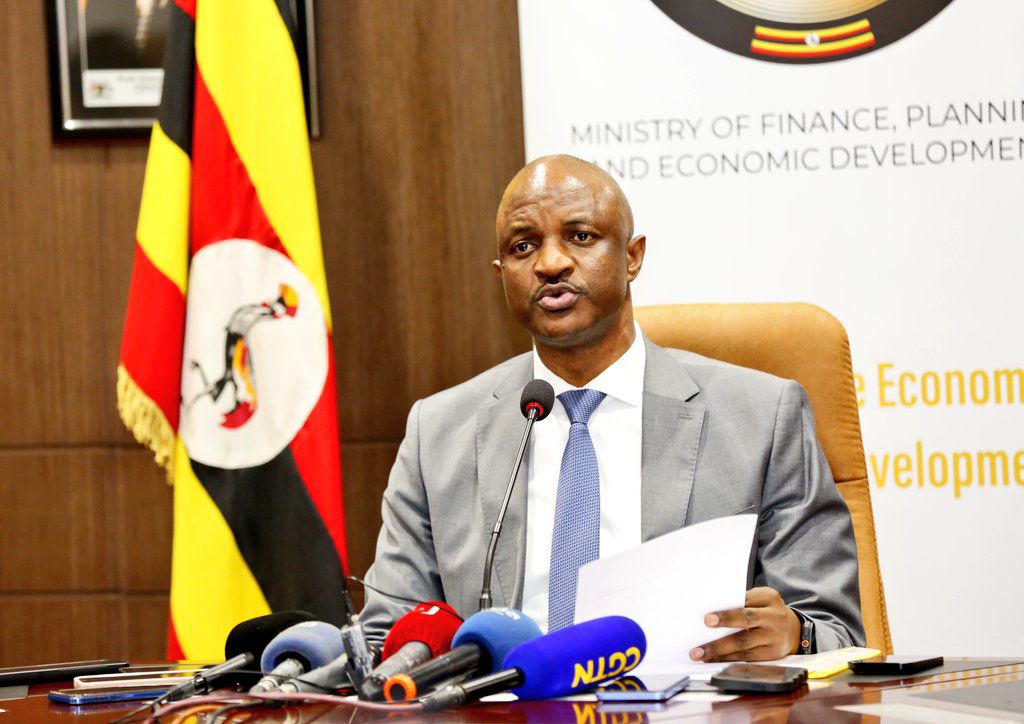
By: ThinkBusiness Africa Uganda’s economy is projected to reach a historic valuation of USD 68.4 billion (Shs 249.4 trillion) this fiscal year, according to the latest year-end performance report from the Ministry of Finance, Planning, and Economic Development on Friday. Dr. Ramathan Ggoobi, Uganda’s secretary to the treasury, confirms that the economy grew by 6.3% during the 2024/2025 financial period, solidifying Uganda’s position as one of the fastest-growing economies in the East African Community (EAC). The Ministry’s report attributes this robust expansion to three primary pillars: Dr. Ggoobi said for the year ending November 2025, Uganda export of goods reached USD 12.79 billion. “Consequently, Uganda registered a Balance of Payment (BOP) Surplus of USD 2.37 billion for the year ending October 2025 from a deficit of USD 683 million a year ago. This is the highest in the last 15-years. The BOP surplus is also on account of an all time high financial account surplus of USD 5.6 billion driven by good performance of FDI and portfolio inflows,” Dr. Ggoobi said. Projections for the 2025/26 cycle are even more aggressive. The Ministry expects growth to accelerate to 7.0% or higher as the country enters the “pre-oil production” phase. However, the government warned that maintaining this momentum will require strict debt management and continued investment in the Parish Development Model (PDM) to ensure the wealth reaches rural households.
Naira rally anchors on N2.7 trillion surge in OMO bill interest
By: ThinkBusiness Africa The Nigerian Naira maintained its upward trajectory this week, bolstered by an extraordinary N2.728 trillion surge in investor demand during the Central Bank of Nigeria’s (CBN) first Open Market Operations (OMO) auction of 2026. The aggressive mop-up of excess liquidity has provided the local currency with a much-needed tailwind, cooling demand for the US Dollar across both official and informal markets. Following the auction settlement, the Naira firmed to N1,419 /$1 at the official Nigerian Autonomous Foreign Exchange Market (NAFEM) on Thursday, marking its fourth consecutive session of gains. The local currency ended 2025 at N1435/$ This appreciation is directly linked to fresh foreign exchange inflows from Foreign Portfolio Investors (FPIs) who moved to take advantage of the high-yield environment offered by the apex bank. The CBN entered the market on Tuesday, January 6, with an initial offer of N600 billion, a split equally at N300 billion each between a 161-day and a 210-day tenor. However, the result was a massive oversubscription that saw the apex bank allot nearly the entire bid volume to sterilize a banking system that had opened the week with a N4.12 trillion liquidity surplus. The 161-day OMO bill received subscriptions totaling N277 billion, of which the CBN allotted N259 billion at a stop rate of 19.34%, with a maturity date set for June 16, 2026. The demand for the 210-day OMO bill was even more pronounced, attracting a staggering N2.451 trillion in subscriptions—over eight times the original offer. The CBN opted to allot the entire N2.451 trillion subscription for this tenor at a stop rate of 19.40%, maturing on August 4, 2026. In total, while the CBN initially sought to raise N600 billion, the overwhelming demand from Deposit Money Banks and Foreign Portfolio Investors led to a total subscription of N2.728 trillion. The data reveals a significant “long-term” bias, with the 210-day bill attracting 8.1 times its original offer. By allotting N2.451 trillion for this single tenor, the CBN has successfully locked away a massive portion of the money supply for the next seven months. Foreign investors accounted for a significant portion of the bids. To fund these purchases, dollars were converted into Naira, directly increasing liquidity at the NAFEM window and pushing external reserves to a robust $45.62 billion. By removing N2.7 trillion from the system, the CBN has made the Naira “scarce” in the interbank market. This scarcity discourages speculative dollar hoarding, as banks and corporations prioritize Naira for settlement and operational needs. With the 210-day stop rate at 19.40%, the CBN is offering rates that compete effectively with emerging market peers, signaling a commitment to maintaining a “hawkish” stance until inflation targets are met. The success of this auction has reset market expectations for the quarter. Earlier this week, analysts at CardinalStone updated their 2026 forecast, suggesting the Naira could stabilize within the N1,350 – N1,450/$1 range if the CBN maintains this level of frequency in its OMO interventions. “We expect the Naira to appreciate to a range of N1,350.00/$ – N1,450.00/$ in 2026, supported by improving fundamentals,” CardinalStone stated. The massive oversubscription suggests that investors have confidence in the central bank’s current policy direction and expect interest rates to remain elevated in the medium term.
AfDB debars Malian firm IYA S.A.R.L. Over fraud in regional power project
By: ThinkBusiness Africa The African Development Bank (AfDB) Group has officially prohibited IYA S.A.R.L., a construction company registered in the Republic of Mali, from participating in any projects financed by the Bank Group. AfDB said on Wednesday. According to a statement from AfDB, the 20-month debarment of IYA S.A.R.L. and its affiliates, follows an investigation into fraudulent practices. The debarment stems from an investigation by the Office of Integrity and Anti-Corruption (PIAC). Investigators found that IYA S.A.R.L. engaged in fraudulent practices during the tender process for the Guinea-Mali Electricity Interconnection Project (PIEGM). The construction of the 714-km high-voltage transmission line (225 kV) between the two nations, is a cornerstone of West Africa’s energy strategy, aimed at: Lowering electricity costs and increasing the reliability of power for millions of residents, and Strengthening the West African Power Pool (WAPP) to allow for more efficient energy trading. “An investigation conducted by the Office of Integrity and Anti-Corruption of the African Development Bank Group established that, in the context of the tender for the construction of electricity infrastructure under the Guinea-Mali Electricity Interconnection Project (“the PIEGM Project”), IYA S.A.R.L. committed a Fraudulent Practice.” AfDB noted. IYA S.A.R.L. 20-month debarment is classified as a “debarment with conditional release.” For IYA S.A.R.L. to regain eligibility for Bank-funded contracts after the 20-month period, it must fulfill several strict requirements which involves a comprehensive internal compliance system consistent with the Bank’s anti-corruption guidelines. This enforcement action is part of a broader trend of sanctions by the AfDB. Within the last quarter, several other firms have been blacklisted for similar violations in the infrastructure and consultancy sectors. In late 2025, the Bank issued several major sanctions, including a 30-month debarment for SOMACOTH SA in Mali due to fraudulent practices in road construction, and a 24-month debarment for the Kenyan firm Tetralink Taylor & Associates involving consultancy services. Additionally, the Bank sanctioned Yessan Sarlu of Togo with an 18-month ban for fraud in water infrastructure projects. Under a 2010 agreement, major Multilateral Development Banks (MDBs)—including the World Bank, the Asian Development Bank, and the European Bank for Reconstruction and Development—recognize each other’s debarments. Consequently, IYA S.A.R.L. is likely to find itself barred from virtually all internationally funded development projects globally for the duration of this sanction.
Zambia declines further IMF Loans as debt recovery stabilizes
By: ThinkBusiness Africa The Zambian government has officially abandoned plans to seek an extension for its $1.7 billion International Monetary Fund (IMF) loan program, confirming that the current arrangement will expire as scheduled on January 30, 2026. The announcement, confirmed by the Fund on Wednesday, marks a definitive end to the three-year Extended Credit Facility (ECF) that served as the backbone of Zambia’s recovery after its 2020 sovereign default. The decision is a notable reversal for President Hakainde Hichilema’s administration. Just six months ago, the Zambian Cabinet had signaled its intent to request a 12-month extension through 2026 to “lock in” fiscal reforms ahead of the upcoming August 2026 general elections. However, following a successful three-month “bridge” extension granted in September 2025, Treasury officials now indicate that the country is ready to move beyond the formal program. “Zambia has demonstrated the necessary fiscal discipline and reached a staff-level agreement on the sixth and final review,” IMF stated. “The authorities have expressed confidence in their ability to maintain macroeconomic stability independently.” The conclusion of the program clears the way for a final disbursement of approximately $190 million (SDR 138.9 million), bringing total IMF support since 2022 to the full $1.7 billion allocation. As of late 2025, Zambia has successfully restructured approximately 94% of its external debt under the G20 Common Framework. GDP Growth is projected to hit 5.8% in 2026, a significant rebound from the 2024-2025 drought-induced slowdowns. While inflation remains high at roughly 14%, the IMF expects it to gradually drift toward the 6–8% target band by 2027. While the formal loan ends, Zambia will not be entirely on its own. The IMF will transition to Post-Program Monitoring (PPM), a standard procedure for countries with high outstanding credit. This ensures the Fund continues to oversee fiscal policies, which remains a requirement for many of Zambia’s new debt-restructuring agreements with international creditors. Analysts suggest the move to exit the program may be a political win for the government, allowing it more “sovereign breathing room” in its budget as election season nears, while still riding the wave of investor confidence generated by the IMF’s “seal of approval.”
Ghana’s Inflation Hits Multi-Year Low, Settling at 5.4% in December
By: ThinkBusiness Africa Ghana’s consumer inflation slowed to 5.4% year-on-year in December, down sharply from the 6.3% recorded in November, marking the twelfth consecutive month of disinflation, and positioning the West African gold exporter firmly within its central bank’s medium-term stability band. Ghana Statistical Service (GSS) said on Wednesday. The December figure, which is the lowest since June 2021, is seen as a significant victory for the government and the Bank of Ghana (BoG)’s rigorous macroeconomic stabilization program, which is supported by its development partner, the International Monetary Fund (IMF). Ghana’s inflation peak 23.5% in January, and has since been on a downward trajectory. Source: BoG The latest Headline inflation (5.4%) not only beat market expectations but also fell comfortably within Ghana’s central bank target range of 6%-10%. A dramatic reversal from over 54% peaked in late 2022. Food inflation, which was the primary driver of the crisis, eased to 6.6% in November and continued its descent into December. The central bank’s aggressive policy stance earlier in the year successfully ‘mopped up’ excess liquidity, allowing for a series of rate cuts in late 2025 as the outlook improved. In November, BoG monetary committee members slashed its benchmark Monetary Policy Rate (MPR) by an aggressive 350 basis points (bps) to 18.0%. After delivering over 3 rate cuts earlier this year. Since July 2025, the committee members have reduced the MPR by a cumulative 1,000 basis points, a decision they said was primarily driven by the sustained and sharp decline in consumer inflation; unwinding a period of historically high rates used to combat the surging inflation of previous years. The Ghana Cedi has shown significant resilience appreciating over 20% against the US Dollar throughout 2025, largely due to strong performance in key export sectors like gold and cocoa, coupled with restored international confidence. stronger cedi has lowered the cost of imported goods, easing imported inflation pressure.
