
Kenya’s economy expands 4.9% in Q3 2025 as rate cuts stimulate growth
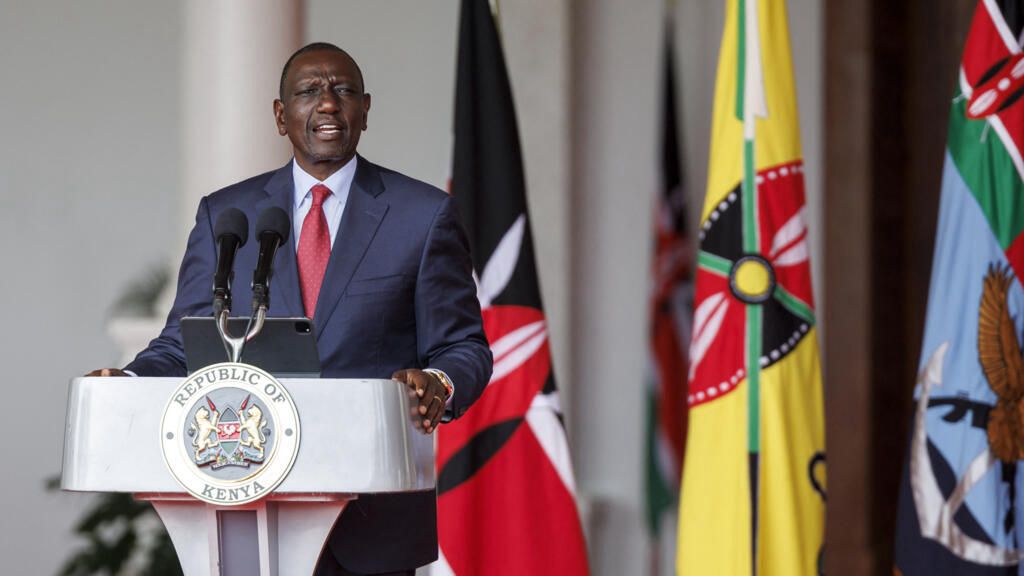
By: ThinkBusiness Africa Kenya’s Gross Domestic Product (GDP) grew 4.9% year-on-year in the third quarter of 2025, according to data released by the Kenya National Bureau of Statistics (KNBS) on Tuesday. The performance marks a significant strengthening compared to the 4.2% growth recorded in the same period of 2024, signaling a robust recovery for East Africa’s largest economy despite persistent fiscal challenges. According to the report, the primary driver of the third-quarter expansion was the Agricultural sector, which grew by 3.2%. This resilience was supported by favorable weather conditions that boosted milk and crop production. The acceleration in growth coincides with an aggressive monetary easing cycle by the Central Bank of Kenya (CBK). Throughout 2025, the Monetary Policy Committee (MPC) implemented a record-breaking streak of interest rate cuts. By the end of Q3 2025, the Central Bank Rate (CBR) had been lowered to 9.50% (and eventually 9.00% by December), down from highs of 13.00% in 2024. A total of 225 basis points reduction. These cuts successfully lowered commercial lending rates – Falling from 17.2% in late 2024 to 14.9% by late 2025. Credit growth to the private sector rebounded to 6.3% by November, after having dipped into negative territory earlier in the year. However, while monetary policy is doing the ‘heavy lifting’ to support growth, the government must still navigate high debt distress risks, with public debt hovering around 68.8% of GDP. While the growth figures are optimistic, the report highlights a “delicate crossroad” for the National Treasury. The fiscal deficit for the 2024/25 period widened to 5.9% of GDP, missing the original target of 4.3%. Last November, the World Bank revised Kenya’s growth forecast for 2025 upwards to 4.9%. This projection, a notable increase from the earlier May estimate of 4.5%. Buoyed by the Q3 results, the CBK has upgraded its full-year growth forecast for 2025 to 5.2%, with a further rise to 5.5% anticipated in 2026. This trajectory places Kenya among the fastest-growing economies in the region, provided it can maintain its current path of inflation moderation and currency stability.
Fidelity bank hits N500b recapitalisation target after N259b private placement

By: ThinkBusiness Africa One of Nigeria’s top financial institutions, Fidelity Bank Plc. has now met its recapitalization targets through a N259 billion Private Placement. This capital injection effectively pushes the bank’s eligible capital beyond the Central Bank of Nigeria’s (CBN) mandatory threshold for international commercial banks. According to a statement from the bank on Tuesday, it successfully opened and closed the placement on December 31, 2025. The exercise resulted in an increase of its eligible capital from N305.5 billion to N564.5 billion. This achievement comfortably places Fidelity Bank above the N500 billion minimum capital requirement set by the CBN for banks with international authorization. The bank now holds a healthy buffer of N64.5 billion above the regulatory line. The bank’s path to the N500 billion benchmark was executed in two distinct phases. In 2024, the bank launched a successful Combined Offer consisting of a Public Offer and a Rights Issue, which raised N175.85 billion in fresh capital. This initial success, marked by significant oversubscription from the investing public, brought the bank’s eligible capital base to N305.5 billion. In 2025, the bank initiated the second Phase by launching a Private Placement that opened and closed on a single day. This exercise successfully raised an additional N259 billion, catapulting the total eligible capital to N564.5 billion. By exceeding the Central Bank of Nigeria’s requirement by N64.5 billion, Fidelity Bank has now secured its position as an international commercial bank well ahead of the March 2026 deadline. While the funds have been raised, the bank noted that it is currently awaiting final regulatory approvals to formalize the new capital standing. “This exercise resulted in the Bank raising N259 Billion, increasing its eligible capital… awaiting regulatory approvals,” stated Ezinwa Unuigboje, the Company Secretary. By securing these funds early, the bank is now positioned to focus on post-recapitalisation growth, including digital infrastructure investment and regional expansion, rather than racing against the looming Fidelity Bank’s aggressive capital raising has been backed by strength in its balance sheet and earnings capacity. As of late 2025, the bank’s total assets crossed the N10.5 trillion mark, a 20% increase from the end of 2024. This growth was largely supported by a surge in customer deposits, which reached N7.2 trillion, reflecting growing public confidence in the bank’s stability. The bank improved its asset quality, with the Non-Performing Loan (NPL) ratio dropping from 3.1% in 2024 to approximately 2.2% by late 2025, well within regulatory limits. With this move, Fidelity Bank joins an elite group of Nigerian “Tier 1” (Firstbank, Zenith bank, GT bank, and Access Bank) lenders who have successfully crossed the half-trillion-naira capital mark, signaling a more resilient and shock-resistant future for the institution.
Kenya’s private sector ends 2025 on a high Note as hiring hits 6-year peak
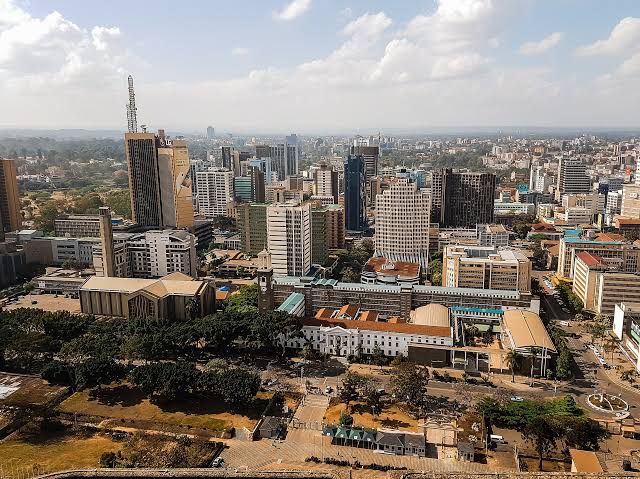
By: ThinkBusiness Africa Kenya’s private sector maintained a trajectory of solid growth through the end of 2025, buoyed by resilient consumer demand and a historic surge in employment. According to the latest Stanbic Bank Kenya Purchasing Managers’ Index (PMI) released on Tuesday, business activity remained firmly in expansion territory despite a minor slowdown from the previous month’s record highs. The headline PMI stood at 53.7 in December. While this represents a slight dip from November’s five-year high of 55.0, any reading above 50.0 indicates an improvement in business conditions. The data suggests that the “festive season boost” coupled with stabilized economic fundamentals allowed Kenyan firms to close the year with significant momentum. The standout feature of the December report was the aggressive pace of hiring. The Employment Index climbed to its highest level since November 2019, marking a six-year peak in job creation. Hiring was broad-based but particularly pronounced in the construction and manufacturing sectors. Firms cited the need to clear backlogs and expand capacity to meet a steady influx of new orders. Interestingly, despite the hiring spree, staff pay saw only a fractional increase. Most firms reported that wage costs remained stable, though those that did raise pay attributed it to higher living costs for their employees. To keep up with demand, Kenyan businesses ramped up their purchasing activity and inventory holdings. In a positive sign for logistics, supplier delivery times improved to their best levels since September 2021. Shorter lead times allowed firms to fulfill orders faster and maintain a competitive edge during the high-demand holiday period. As the East African country enters the new year, the outlook remains cautiously optimistic. Business expectations for 2026 are positive, with many firms citing plans for diversification, new product launches, and increased marketing. However, the report also highlighted emerging headwinds. Input costs reaccelerated in December due to: increased tax burdens that took a toll on operating expenses. Also, rising prices for essential inputs (fuel and material) began to squeeze margins. Economists warn that while demand is currently absorbing these costs, inflationary pressures could firm up in the first quarter of 2026, potentially forcing businesses to pass these costs on to consumers through higher “output prices.” Throughout 2025, the Central Bank of Kenya (CBK) began easing its monetary policy, from peak 11.25% in 2024 to 9% in 2025 marking a total 225 basis points reduction. By December, the impact of lower interest rates finally began to trickle down to the private sector. For the first time in years, Small and Medium Enterprises (SMEs) are finding it more affordable to borrow for expansion. This explains the six-year hiring peak—companies are no longer just “surviving” but are actively investing in new staff and equipment.
Dangote Refinery refutes maintenance shutdown claims, assures daily 50m Litre fuel Supply
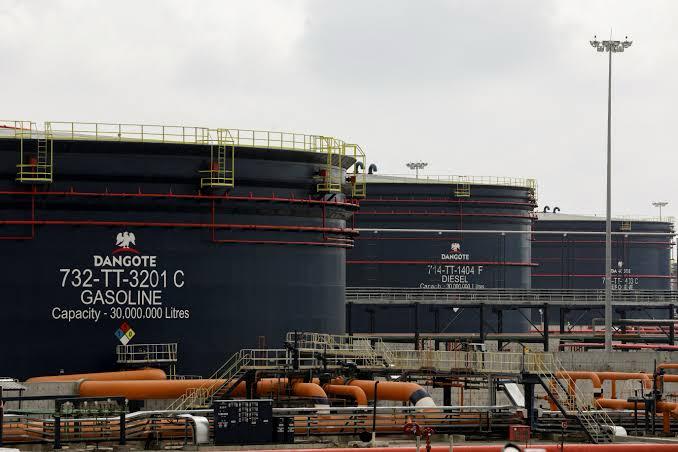
By: ThinkBusiness Africa The Dangote Petroleum Refinery has categorically dismissed reports suggesting it has shut down operations for maintenance this January, describing the claims as “false, misleading, and designed to create panic” in the energy market. In a statement released on Monday, the 650,000 barrels-per-day refinery clarified that its production remains uninterrupted and robust, with enough stock to meet national demand for the foreseeable future. The refinery’s management provided specific production data to counter the narrative of a shutdown. According to the statement, the facility currently retains the capacity to supply between 40 million and 50 million litres of Premium Motor Spirit (PMS) daily through January and February. “On January 4 alone, the refinery produced 50 million litres of PMS and successfully evacuated 48 million litres via its gantry,” the statement read. “Current stock levels are sufficient to cover over 20 days of national consumption, effectively dispelling any concerns regarding supply shortages.” It added. Addressing reports of “turnaround maintenance,” the refinery explained that its “integrated and sophisticated design” allows for routine maintenance on specific units without halting overall production. While certain components like the Crude Distillation Unit (CDU) and the Residual Fluid Catalytic Cracking (RFCC) may undergo scheduled checks, other critical units—including the Naphtha Hydrotreater and the Hydrocracker—remain fully operational. This ensures a steady output of petrol, diesel (AGO), and aviation fuel (Jet A-1). The refinery warned that the misinformation was likely orchestrated by importers and “middlemen” looking to justify price hikes at the pump. Over the weekend, reports indicated that some private depots had already increased prices to as high as N800 per litre following the shutdown rumors. The refinery reaffirmed its commitment to price stability, maintaining its ex-gantry price of N699 per litre. Officials noted that without local production, petrol prices in Nigeria’s post-subsidy environment could skyrocket to as much as N1,400 per litre. Industry analysts view the refinery’s response as a critical move to stabilize the downstream sector. By sourcing petrol locally at the N699 rate, marketers are positioned to offer relief to consumers while conserving foreign exchange and supporting Nigeria’s path toward energy independence.
Morocco tourism revenue hits $13.6b as 2025 arrivals shatter records
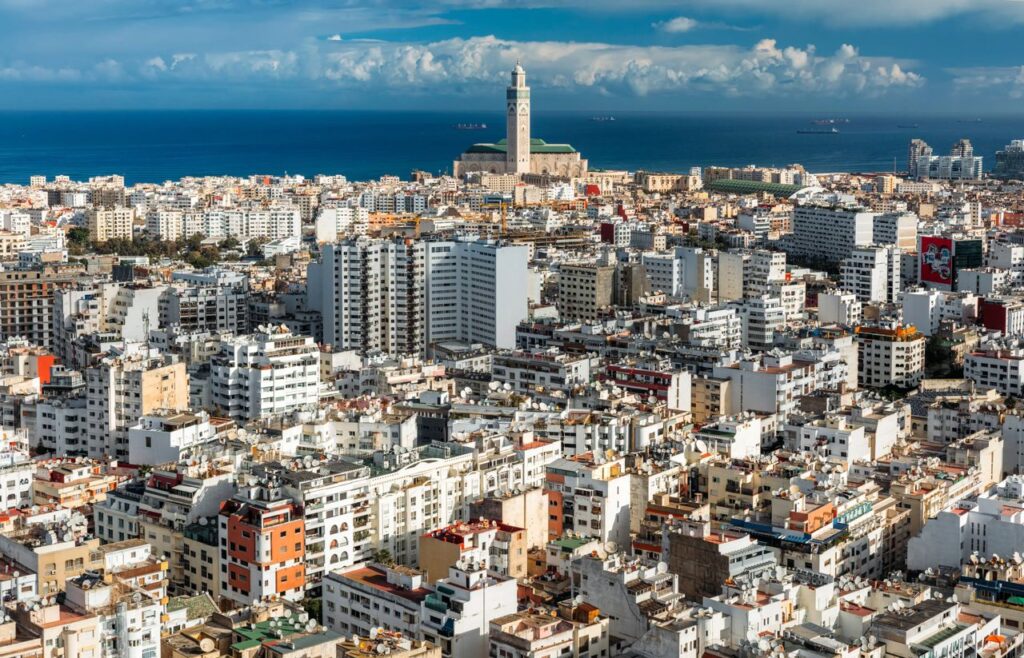
By: ThinkBusiness Africa Morocco’s tourism industry reached a historic zenith in 2025, welcoming a record-breaking 19.8 million tourists, according to a Monday statement from the Ministry of Tourism, Handicrafts, and Social and Solidarity Economy. The figure represents a 14% increase from 2024, signaling that the North African Kingdom has not only recovered from global travel disruptions but has effectively cemented its position as Africa’s premier travel destination. The surge in arrivals translated into a massive boost for the national economy. Tourism revenues reached 124 billion dirhams ($13.6 billion) by the end of November 2025, marking a 19% year-on-year increase. Minister of Tourism Fatim-Zahra Ammor hailed the results as a “strategic milestone,” noting that the sector now contributes roughly 7.4% to Morocco’s GDP; Supports nearly 880,000 jobs, accounting for 5% of total national employment; and serves as a critical source of foreign currency for the Kingdom. The Ministry attributed this unprecedented success to a combination of infrastructure investment and aggressive marketing under the “2023–2026 Tourism Roadmap.” In March 2023, Morocco launched The “Air x2” strategy, to double its capacity. This strategy expanded low-cost carrier routes and increased international flights to secondary cities like Tangier and Agadir. Over 43,000 new hotel beds have been added since 2023, supported by significant investments such as the $162 million deal between Alliances Group and Rixos Hotels. While Europe remains the primary source market, there has been a marked increase in visitors from North America and Asia. This record-breaking year is seen as a crucial “stress test” for Morocco’s long-term goal of hosting 26 million tourists by 2030, the year it will co-host the FIFA World Cup alongside Spain and Portugal. To prepare, the government has unveiled a $4.2 billion investment plan to modernize airport infrastructure. The centerpiece of this plan is the expansion of Casablanca’s Mohammed V International Airport, which aims to double its capacity. “This performance confirms the strong upward momentum of Morocco’s hospitality industry and marks a new chapter in the country’s development,” the Ministry stated. With the 2025 Africa Cup of Nations (AFCON) also on the horizon, industry experts expect the momentum to carry into 2026. The focus now shifts to ensuring sustainability and spreading the economic benefits of tourism beyond the traditional hubs of Marrakech and Agadir into the Kingdom’s rural and mountainous regions.
FirstBank hits N500bn recapitalization target ahead of deadline
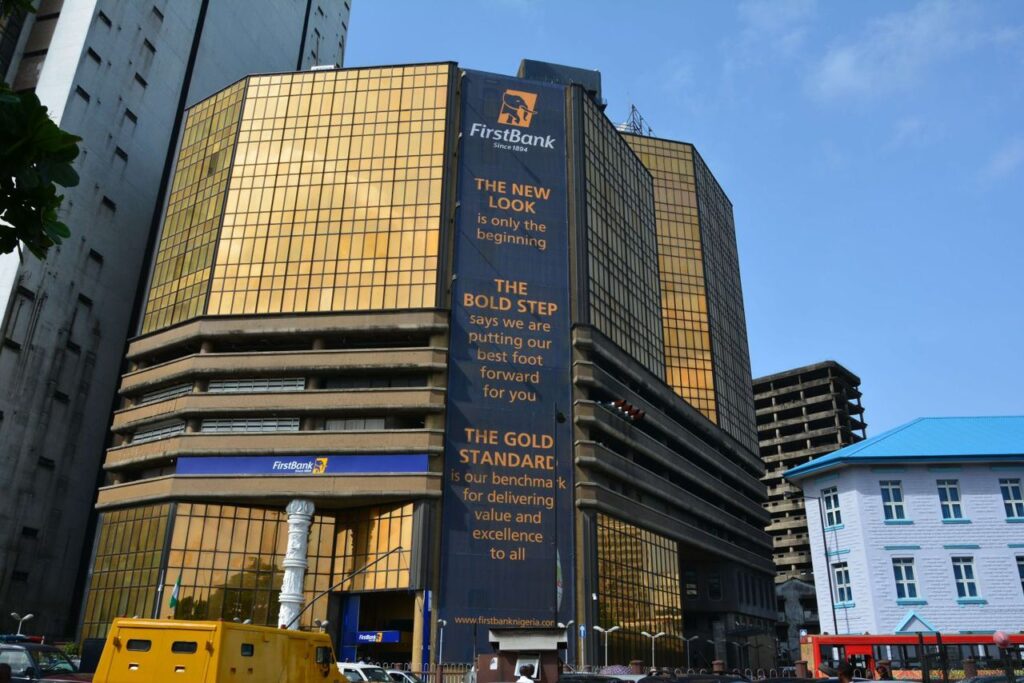
By: ThinkBusiness Africa Nigerian leading commercial bank, First Bank of Nigeria (FirstBank) has officially crossed the N500 billion recapitalization threshold, meeting the Central Bank of Nigeria’s (CBN) stringent new requirements months ahead of the March 2026 deadline. This is according to regulatory filings sent to the Nigerian stock exchange market (NGX). The achievement marks a dramatic turnaround for the bank, which just a year prior had been grappling with internal boardroom tensions that some analysts feared would stall its capital-raising efforts. The CBN’s recapitalization directive, issued in March 2024, gave banks two years to significantly bolster their capital bases to ensure the industry could support Nigeria’s ambition of becoming a $1 trillion economy. For banks with international licenses like FirstBank, the target was set at a staggering N500 billion in paid-up capital and share premium. “This milestone was achieved following the completion of a series of strategic capital initiatives, including a Rights Issue, a Private Placement, and the injection of proceeds from the divestment of the Group’s merchant banking subsidiary.” FBN said. The bank successfully executed a N150 billion rights issue in 2024, which laid the foundation for its capital buffer. To close the remaining gap, the bank initiated a massive N350 billion private placement and capital injection exercise throughout 2025. The commercial bank leveraged record-breaking profits from the 2024 financial year to stabilize its operations. FirstBank now joins Access Bank, Zenith Bank, GTCO (GTBank), as early compilers in the Tier-1 category. Meanwhile, United Bank for Africa (UBA) is still the only tier-1 bank yet to meet the recapitalization target. For the average Nigerian depositor, FirstBank’s successful recapitalization means increased security. A higher capital base acts as a “shock absorber” against economic volatility. For the broader economy, it means FirstBank now has the “firepower” to fund massive infrastructure projects, oil and gas ventures, and large-scale manufacturing that were previously beyond the capacity of local lenders. With the deadline of March 31, 2026, still on the horizon for smaller institutions, FirstBank’s early success positions it as a potential “predator” in the coming wave of banking sector mergers and acquisitions.
Nigerian stock market valuation hits N100 trillion following 51% annual growth
By: Chidozie Nwali In a historic display of market resilience and investor appetite, the Nigerian Exchange (NGX) equities market capitalization officially breached the N100 trillion milestone on Monday. The breakthrough marks a psychological and economic turning point for Africa’s largest economy, following a smash hit in 2025 where the market returned 51.19%, adding over N36.6 trillion in value within a single year. The market opened the first week of 2026 on the cusp of the record, ending the prior session at N99.94 trillion. Strong buying interest in high-cap stocks during today’s session provided the final push needed to cross the threshold. A key driver of the rally is the portfolio rebalancing at the start of the year which saw significant inflows from institutional investors seeking to capitalize on 2025’s momentum. As the March 2026 deadline for the CBN’s recapitalization exercise looms, banks like Zenith, Access, and GTCO have seen heightened activity as they solidify their balance sheets. On stock trading, sustained demand for Dangote Cement and BUA Foods, alongside the highly anticipated performance of Aradel Holdings, anchored the market’s valuation. Investor confidence has been bolstered by more stable foreign exchange liquidity. The journey to this record-breaking valuation was built on a foundation of rapid growth over the last 13 months. At the close of December 31, 2024, the market stood at a valuation of N62.76 trillion with the All-Share Index (ASI) resting at 102,926.40 points. Throughout 2025, the market maintained a steady upward trajectory, crossing the N70.40 trillion mark by May 2025, fueled by high-cap listings and banking sector interest. By the end of the 2025 trading year, the ASI had climbed to 155,613.03 points, bringing the market capitalization to N99.38 trillion—leaving the exchange just a fraction away from the triple-digit threshold. The momentum continued into the first trading day of 2026, where the index rose to 156,492.36 points and pushed the valuation to N99.94 trillion. Today’s surge of 1.74% finally propelled the All-Share Index to 159,215.48 points, officially cementing a market capitalization of N101.80 trillion. Analysts note that while the N100 trillion mark is a “symbolic milestone,” the market is entering a phase of consolidation. With inflation stabilizing at 14.45% and GDP growth remaining solid, the NGX has transitioned from a speculative capital market into a deeper, more structurally sound capital market. Last December, NGX transitioned fully from the traditional T3 to T2 settlement circle; this shorter transaction settlement period made the Nigerian stock market increasingly attractive to investors, as its a shift from the longstanding three days settlement circle to a two day settlement period for investors who wish to sell, buy or transfer their stocks.
Nigeria’s trade account surplus to hit $18.81 billion in 2026, central bank says
By: ThinkBusiness Africa Nigeria’s external sector is poised for a significant strengthening, with the Central Bank of Nigeria (CBN) projecting a current account surplus of $18.81 billion by 2026. This surplus, representing approximately 11.16% of the nation’s GDP, marks a pivotal shift in Nigeria’s trade dynamics as it moves from a period of intense reform toward a more resilient, export-led trajectory. The projection, contained in the CBN’s 2026 Macroeconomic Outlook titled “Consolidating Macroeconomic Stability Amid Global Uncertainty,” suggests a steady improvement from the $16.94 billion surplus (10.94% of GDP) estimated for 2025. The anticipated $18.81 billion surplus is driven by a “triple threat” of increased oil output, non-oil export growth, and massive import substitution. Total export receipts are forecast to climb to $58.26 billion in 2026, up from $54.59 billion in 2025. This is anchored by a projected rise in crude oil production to 1.71 million barrels per day (mbpd). The “hidden engine” of the surplus remains diaspora remittances. The secondary income account is expected to yield a $26.13 billion surplus, highlighting the continued importance of Nigerians abroad in supporting domestic dollar liquidity. “supported by strong exports, steady remittances inflow, increased oil & gas output, improved domestic refining capacity and rising global demand from key trading partners. The current account surplus is expected to rise to US$18.81 billion, while increased portfolio investment inflows and external borrowings are projected to keep the financial account in a net borrowing position of US$10.15 billion.” CBN noted. A major structural change is the reduction in foreign exchange demand for refined petroleum. With the Dangote Refinery expanding its capacity toward 700,000 bpd and eventually 1.4 million bpd, Nigeria is expected to slash its fuel import bill, which was historically the largest drain on its current account. For the average Nigerian and business owner, the most critical takeaway from the data is the projected impact on the exchange rate. The CBN expects the Naira to trade around N1,400/$1 in 2026, supported by the accretion of external reserves to $51.04 billion. This reserve level—the highest in years—is expected to provide the “ammunition” needed to narrow the premium between the official market (NFEM) and the parallel market, providing much-needed price discovery for importers. In comparison to its regional peers, Nigeria’s projected 4.49% growth and massive current account surplus position it as a frontrunner among sub-Saharan Africa’s “anchor economies.” While Nigeria’s surplus is expected to hit 11.16% of GDP, South Africa continues to grapple with structural energy constraints and logistical bottlenecks, with the IMF projecting a more modest GDP growth of approximately 1.5% to 1.8% for 2026 and a persistent current account deficit. Similarly, in East Africa, Kenya, while maintaining a robust growth trajectory of around 5.2%, remains a net importer with a projected current account deficit of roughly 4.1% of GDP due to heavy infrastructure spending and debt servicing obligations. Nigeria’s shift toward a double-digit surplus suggests a level of external shock absorption that currently outpaces both the Southern and East African powerhouses, provided its oil production and refinery targets are met.
OPEC+ freezes production hikes through March 2026 amid global surplus and geopolitical Tensions
By: Chidozie Nwali In a move to shore up a fragile energy market, eight key members of the OPEC+ alliance officially reconfirmed on Sunday, that they will pause all planned production increases through the first quarter of the year. The decision comes as the global oil market faces a significant supply glut and follows a year in which crude prices plummeted by more than 18%, their steepest annual decline since the 2020 pandemic. According to Bloomberg, the virtual meeting, led by Saudi Arabia and Russia, resulted in a swift agreement to maintain current output levels for January, February, and March. The group—which also includes Iraq, the UAE, Kuwait, Kazakhstan, Algeria, and Oman—cited “seasonality” as the primary driver, referring to the historically lower demand for crude during the Northern Hemisphere’s winter months. By freezing the “unwinding” of voluntary cuts, the alliance is effectively keeping roughly 1.24 million barrels per day (bpd) off the market that would have otherwise been added by March. The meeting was held against a backdrop of intense geopolitical drama. Just 24 hours prior, U.S. forces captured Venezuelan President Nicolás Maduro in a large-scale military operation. Venezuela holds the world’s largest proven oil reserves, and U.S. President Donald Trump has already signaled a desire to overhaul the nation’s oil sector. However, OPEC+ delegates reportedly dismissed the idea of adjusting policy based on the raid, calling such a move “premature.” Venezuela’s current output remains crippled by years of mismanagement, producing only about 800,000 to 1.1 million bpd. Despite the unified announcement, the meeting took place amid reported friction between Saudi Arabia and the United Arab Emirates over regional policy and future production quotas. American oil output remains at record highs, consistently filling the gaps left by OPEC+ cuts. The ongoing conflict in Ukraine and subsequent Western sanctions continue to complicate Russia’s export logistics. With some analysts predicting Brent crude could slide toward $55–$60 per barrel in early 2026, the pause is seen as an attempt to establish a psychological floor for traders. The alliance has left the door open for further action, stating they retain “full flexibility” to extend the pause or even reverse previous hikes if the surplus worsens. The Joint Ministerial Monitoring Committee (JMMC) will continue to meet monthly to ensure compliance among members, with the next high-level review scheduled for February 1, 2026.
African Union Condemns U.S. invasion of oil-rich Venezuela, demands respect for Sovereignty

By: ThinkBusiness Africa The African Union (AU), issued a stern rebuke of the United States (US) military invasion of Venezuela and the capture of President Nicolás Maduro, saying the US must respect the sovereignty of the Venezuelan nation. In a statement released from its headquarters in Ethiopia, the 55-member continental body expressed “grave concern” over the pre-dawn strikes on Caracas (Venezuela capital city), characterizing the intervention as a “manifest violation” of international law and a “dangerous precedent” for global stability. “The African Union expresses its solidarity with the Venezuelan people and reiterates its commitment to the promotion of peace, stability, and mutual respect among nations and regions,” the AU said. The Union further argued that the “complex internal challenges” facing Venezuela cannot be solved through foreign military force, but only through “inclusive political dialogue among Venezuelans themselves.” The AU’s response follows the dramatic events of Saturday, when U.S. forces launched “Operation Absolute Resolve.” Over 150 U.S. aircraft and special operations teams targeted Venezuelan military installations and safe houses in Caracas and three surrounding states (Miranda, La Guaira, and Aragua). President Trump confirmed that the U.S. Special Forces captured president Nicolás Maduro and his wife, Cilia Flores during the operation. At least 40 people, including civilians and Venezuelan soldiers, are reported dead. Maduro has since been flown to New York to face federal drug-trafficking charges with the US drug enforcement agency (DEA). President Trump had thrown serious accusations against the Venezuelan president: accusing Nicolás Maduro of drug trafficking into the U.S, crude oil theft, being a cartel leader and a dictator. On Sunday, The South Africa government called for an emergency meeting of the UN Security Council, with the Department of International Relations stating that “history has repeatedly demonstrated that military invasions yield only instability.” The South African Federation of Trade Unions (SAFTU) called the act “naked aggression” and “regime-change warfare.” While the AU and nations like China, Russia, and Brazil have condemned the strikes, others have remained supportive or divided. President Trump said in a press conference on Saturday that the U.S. will “run” Venezuela and its oil industry until a “judicious transition” can be arranged. Israel, France and Australia governments issued statements welcoming the removal of a “dictator,” with Australia’s Liberal-National Coalition stating that “despots must face justice.” The UN Security Council is scheduled to convene an emergency session on Monday, January 5, to discuss the legality of the operation and the status of the captured Venezuelan leader.