
Botswana invites Russia into untapped mineral sectors, plans opening embassy in Moscow

By: ThinkBusiness Africa Botswana has announced plans to establish a resident embassy in Moscow and has formally invited Russian investment into its lucrative rare earth and diamond sectors, Botswana’s foreign minister said on Sunday. Dr. Phenyo Butale, Botswana’s foreign minister, characterized the opening of the mission as “long-overdue,” marking a departure from decades of handling Russian relations via Botswana’s embassy in Sweden. While Botswana is world-renowned for its diamond reserves, the government is now pivoting toward high-tech minerals to fuel a national “aggressive industrialization” drive. Butale noted that only roughly 30% of Botswana’s land has been geologically surveyed. He specifically highlighted untapped capacity in rare earth minerals, which are vital for global defense, electronics, and renewable energy industries. The South African diamond exporter is seeking to leverage Russian geological technology to map the remaining 70% of its territory. The timing of the partnership is notable given the ongoing G7 sanctions on Russian-origin diamonds. While Botswana has cooperated with Western traceability initiatives, Butale emphasized a “mutually beneficial” path with Moscow. The strategy focuses on value addition. moving beyond the export of rough stones and using Russian technical expertise to enhance local cutting, polishing, and industrial processing. This allows Botswana to maintain its sovereign economic interests while navigating the complex “diamond war” between Western markets and Russian mining giant Alrosa. The shift comes at a complicated time for Gaborone. While seeking Russian capital, the Botswana government is also investigating reports of its citizens being lured into the Russia-Ukraine conflict under the guise of “military school training.” Last December, Botswana’s government launched an investigation into reports that two young men were allegedly deceived into fighting in the Russia‑Ukraine war under the guise of military training in Russia. The foreign Ministry said it was working through diplomatic channels and law enforcement to verify the authenticity of the reports and establish the whereabouts of the 19‑ and 20‑year‑old Batswana. Dr. Butale’s outreach suggests that Botswana intends to maintain a “non-aligned” stance—prioritizing economic stability and sovereign development over the geopolitical pressures. “We firmly believe that Botswana is the best place for investment, considering its political and economic stability. Therefore, we strongly encourage Russian investors to come to Botswana,” Butale said. With Russia planning to open several new embassies across Africa by the end of 2026, Botswana appears to be a cornerstone of Moscow’s renewed strategy to secure critical mineral supply chains on the continent.
Nigeria eyes 4.5% growth in 2026 with 13% inflation target
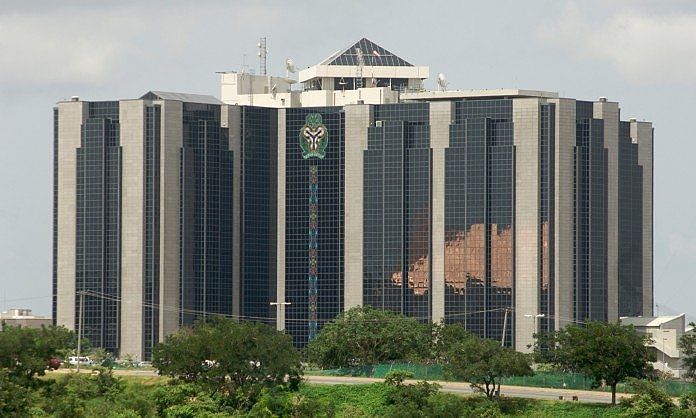
By: ThinkBusiness Africa Nigeria’s economy is expected to witness significant economic expansion as Gross Domestic Product (GDP) is projected to grow by 4.5% in 2026 up from 3.89% in previous year. And for the first time the west African country is setting an inflation target of 12.94%. This optimistic outlook, detailed in the newly released Central Bank of Nigeria (CBN) 2026 Macroeconomic Outlook, marks a transition from the aggressive fiscal reforms of the past two years toward a period of sustained “macroeconomic normalization.” Central to this forecast is the ambitious target to slash headline inflation to an annual average of 12.94%. This would represent a massive decline from the 21% average projected for 2025 and the 30% peaks seen during the height of the currency float transition. CBN attributes this expected drop to a combination of improved food security, a more stable exchange rate, and the “price war” in the energy sector as local refineries reach full capacity, driving down transportation and production costs. In December 2025, the Dangote refinery slashed petrol prices, and promised increased output by the first quarter of 2026. “Inflation is expected to continue its downward trend in 2026. The inflation outlook is predicated on continued stability in the foreign exchange and energy markets, the lagged effect of previous rate hikes, and improved policy coordination.” CBN noted. The growth engine for 2026 is expected to be fueled by a recovery in oil production, which is targeted at 1.71 million barrels per day. This resurgence hinges on the continued success of enhanced security measures in the Niger Delta, which have begun to significantly curb crude oil theft. Beyond oil, the services sector—led by Information and Communication Technology, Finance, and Trade—is expected to remain the dominant contributor to the nation’s wealth, accounting for more than half of the projected expansion. Financial stability also forms a cornerstone of the 2026 plan. CBN anticipates that foreign exchange reserves will climb to over $51 billion, bolstered by stronger export earnings and increased Diaspora remittances. This liquidity is expected to keep the Naira relatively stable, with projections placing the exchange rate in the range of N1,400 to N1,500 per dollar. Such stability is viewed as critical for restoring investor confidence and allowing the private sector to engage in long-term capital planning. However, the outlook is not without its challenges. Economic analysts note that the government must still navigate a heavy debt-servicing burden, which is estimated to consume a significant portion of federal revenue. In the projected N58 trillion 2026 budget, 27% is earmarked for debt servicing. Furthermore, achieving the growth target will require the successful implementation of the 2025 Tax Act, which aims to broaden the tax base without stifling the nascent recovery of small and medium-sized enterprises. As Nigeria moves toward this 2026 milestone, the shift in focus from “stabilization” to “growth” suggests a growing confidence that the most volatile effects of recent economic restructuring have passed. If these targets are met, 2026 could represent the year that the average Nigerian begins to feel the tangible benefits of a more predictable and resilient economy.
Nigeria’s economy hits 2025 Peak, PMI surges to 57.6 Points
By: ThinkBusiness Africa Economic activity in Nigeria reached its strongest level of the year in December, driven by a broad-based expansion across the industrial, agricultural, and service sectors. According to the latest Purchasing Managers’ Index (PMI) report released by the Central Bank of Nigeria (CBN), the composite PMI rose to 57.6 points, up from 56.4 in November. This latest data marks the 13th consecutive month of expansion for the Nigerian economy, signaling a robust and sustainable growth momentum as the year draws to a close. Source: CBN Broad-based growth across key sectors According to the PMI report, the expansion was nearly universal, with 32 out of the 36 subsectors surveyed reporting growth. The report highlights that the overall contractionary impact from the few struggling subsectors was “insignificant” compared to the widespread gains. The report noted significant improvements in several critical operational areas: Price pressures persist Despite the positive growth, the report indicated that inflationary pressures remain a factor. Input price indices for all major subsectors remained higher than their corresponding output price indices, suggesting that businesses are continuing to face rising costs. Externally, analysts have noted that while the festive season has traditionally driven a “profit bulge” in retail and hospitality—with intercity travel fares rising by 30-40% this month—persistent structural challenges remain. Farmers have reported that the cost of production for major crops rose between 29% and 36% in 2025 due to high fertilizer and fuel costs. The CBN’s noted that the December performance reflects a “notable strengthening” of industrial performance. This aligns with broader macroeconomic forecasts for the coming year. On Tuesday, the CBN projected a stronger outlook for 2026, forecasting: a 4.49% GDP growth, up from an estimated 3.89% in 2025; Inflation is expected to moderate to an average of 12.94% in 2026 from 21.26% in 2025; and external reserves rising to $51.04 billion, from $45 billion in 2025. These projections suggest that the year-end PMI surge is not merely a seasonal peak but part of a transition toward a more resilient, growth-oriented phase for the Nigerian economy.
Nigeria’s FDI Jumps 700% in Q3 2025: Turnaround for Long-Term Capital
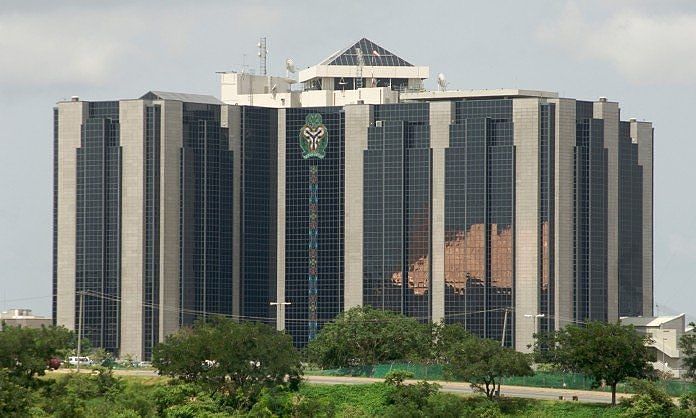
By: ThinkBusiness Africa Nigeria’s investment landscape recorded a significant shift in the third quarter of 2025, as Foreign Direct Investment (FDI) skyrocketed to $720 million; representing an extraordinary 700% increase from the $90 million recorded in the previous quarter (Q2 2025), according to the latest Balance of Payments (BoP) report released by the Central Bank of Nigeria (CBN). The surge marks the highest quarterly FDI inflow of the year, signaling a potential cooling of investor skepticism that has dogged West Africa’s largest economy in recent years. Analysts suggest the Q3 surge is a “confidence vote” in the long-term sustainability of the government’s macroeconomic reforms. Following the unification of the Naira and the clearance of the $7 billion FX backlog earlier in the year, foreign investors are finding it easier to forecast returns and repatriate dividends. The ongoing banking sector recapitalization exercise, with CBN’s directive for banks to increase their capital base has triggered a wave of foreign equity participation as tier-1 banks seek to consolidate their positions. According to the report, crude oil production reaching a mid-year average of 1.78 million barrels per day and the full operation of the Dangote Refinery, the energy sector has once again become a magnet for “bricks and mortar” capital. The Q3 data reveals a fascinating divergence in capital types. While FDI (long-term investment in physical assets and companies) rose by 700%, Foreign Portfolio Investment (FPI)—often referred to as “hot money”—saw a sharp decline. FPI declined over 52% to $2.51billion in Q3 from $2.51 billion recorded in Q2. On the foreign exchange reverse front, external reserves saw a 13% increase to $42.77 Billion in Q3 from $37.81 Billion in Q2. Recent data from the CBN shows that external reserve reserves continue to grow, grossing over $45 billion in December. The shift in FPI suggests that investors are moving away from short-term speculative instruments (like T-bills) toward more stable, productive investments in the Nigerian economy. The Non-Oil Sector remained the primary engine of growth, contributing over 96% to the GDP in Q3. Despite the positive FDI news, the Current Account Surplus dropped by 41% to $3.42 billion (from $5.81 billion in Q2), largely due to rising external debt obligations and a surge in imports of industrial machinery. While the $720 million figure is a significant leap for 2025, it remains a fraction of Nigeria’s historical peaks. Economists warn that for this trend to hold, the government must continue to address high energy costs and internal security. The Q3 numbers show that many foreign boards are no longer waiting on the reforms but are taking huge bets on the reform agenda by funding it.
Nigerian finance minister, Edun assures investors of market stability, amid US military intervention
By: ThinkBusiness Africa Following the surprise Christmas Day US military strike on a terrorist hideout in Sokoto state, Nigeria’s Minister of Finance and Coordinating Minister of the Economy, Wale Edun, said to investors on Sunday that the nation remains a “stable and reform-driven” destination for global capital. The joint precision strike was conducted by the Nigerian and United States (US) forces in Sokoto State. The operation, which targeted Islamic State (ISIS) enclaves, had initially sparked concerns regarding regional stability and potential sectarian tensions. According to a statement from the ministry of finance, Minister Edun emphasized that the military action was not a sign of internal conflict but a “decisive” move against global terror. “Nigeria is not at war with itself, nor with any nation,” Edun stated. “What Nigeria is confronting—alongside trusted international partners—is terrorism.” He said. The operation, which reportedly utilized Tomahawk missiles launched from the U.S. Navy vessels in the Gulf of Guinea, eliminated terrorist (ISIS) elements in the Bauni forest in Sokoto State. U.S President Donald Trump said the terrorists were planning on attacking innocent Christians. The Nigerian foreign ministry said they provided the intelligence for the operation. Edun described the strikes as “intelligence-led” and argued that such security measures are necessary, as they protect the productive communities and infrastructure necessary for long-term investment. “Far from destabilising markets or weakening confidence, such actions strengthen the foundations of peace, protect productive communities, and reinforce the conditions required for sustainable growth.” The minister emphasized. To bolster investor confidence before markets reopen on Monday, the Minister highlighted Nigeria’s macroeconomic stability achieved this year. Nigeria has moved from an average 2% quarterly GDP growth in 2024 to 4% in 2025. In third quarter (Q3) 2025, the West African nation recorded a growth rate of 3.98%, following a 4.23% expansion in Q2; with over 4% projection for Q4. The Finance Minister has set an ambitious medium-term target of 7% annual GDP growth. Inflation has decelerated for seven consecutive months. In November inflation eased to 14.45% from peak 34% in 2024; now sitting below the government 15% target level. The Minister noted recent credit rating upgrades from Moody’s, Fitch, and Standard & Poor’s, calling them “independent endorsements” of the administration’s reform agenda. Earlier in November, S&P global rating agency upgraded Nigeria’s sovereign credit outlook from ‘stable’ to ‘positive’ citing a sustained economic reform agenda being implemented. “We have maintained fiscal discipline, prioritised efficiency, and protected macroeconomic stability—demonstrating resilience in the face of external shocks.” Edun said. The Minister’s briefing comes at a critical time as the administration of President Bola Ahmed Tinubu prepares to transition into its 2026 agenda. Edun stated that the goal for the coming year is to “consolidate the gains of 2025” and build a more inclusive, resilient economy. Despite the military activity, Edun assured that domestic and international debt markets remain stable and functioning efficiently.
From $1B to $3B+: How NSIA is Engineering Nigeria’s Economic Future
By: ThinkBusiness Africa A report from African Business Convention (ABC) on 2025 year-in-review for the Nigeria Sovereign Investment Authority (NSIA) shows the organization has evolved into a cornerstone of Nigeria’s economic stability and industrial growth. The headline achievement of 2025 was a historic financial milestone: the NSIA surpassed $3.10 billion in Net Assets as of June. This represents over 300% massive leap from its $1 billion starting point in 2011. This growth was fueled by a combination of government contributions and disciplined retained earnings. Crucially, this financial strength is backed by world-class integrity, as the Authority maintained a 100% rating on the Global Sovereign Wealth Funds Governance, Sustainability, and Resilience Index. The NSIA’s impact is visible across the Nigerian landscape, specifically in energy and food security. NSIA successfully delivered a 10Mega Watts Solar Farm in Kano State, Northern Nigeria. Nigeria’s grid has traditionally relied on gas and hydro, The Kano plant is now the largest grid-connected solar plant in the country, signaling a shift toward the NSIA’s “RIPLE” (Renewable Investment Platform for Limitless Energy) strategy. On Agriculture, through the Presidential Fertilizer Initiative, the NSIA expanded fertilizer blending plants to over 80 nationwide. In 2016, the NSIA took over a moribund landscape with only 4 operational blending plants. By 2025, that number has skyrocketed to over 80 plants. This over 2,130% increase in infrastructure has not only secured food supply but has shifted the NSIA’s role from a simple investor to the primary manager of a national agricultural backbone. The initiative generated 100,000+ jobs and produced approximately 130 million bags of fertilizer, directly bolstering national food security. Beyond physical infrastructure, the Authority is betting heavily on the “Next Nigeria” through technology and healthcare. The NSIA Prize for Innovation attracted over 5,000 applications, with $250,000 awarded to top innovators. The winners were sent to Draper University in Silicon Valley for a five-week accelerator program to prepare them for the global market. Additionally, a $28 million Impact Innovation Fund was launched in partnership with Japan International Cooperation Agency (JICA) to support tech startups. On healthcare, NSIA’s Oncology Initiative saw the commissioning of advanced oncology and nuclear medicine facilities at three major institutions: This national rollout will see transition from treating thousands to a capacity of 350,000+ diagnostic screenings annually. According to the ABC report, the Authority demonstrated consistent performance even amid global economic shifts: NSIA achieved a 9.9% Compound Annual Growth Rate (CAGR) across multiple economic cycles. The Children Investment (TCI) portfolio grew by 6% to N204.10 billion in the first half of 2025 alone. NSIA hosted the Africa Sovereign Investment Forum this year (ASIF2025), bringing together African Sovereign Wealth Funds and institutional investors to map out pathways for the continent’s transformative growth. The 2025 data shows that the NSIA is no longer just a “savings account” for the federation. It has transitioned into an operational partner that builds power plants, manages fertilizer supply chains, and constructs cancer centers. With a 100% Governance Rating in 2025, it has achieved this scale without sacrificing the institutional integrity it was founded upon.
Building Tomorrow’s Businesses: How NSIA’s Innovation Prize Is Shaping Nigeria’s Startup Future

By Tobi Adeojo In July this year, the Nigeria Sovereign Investment Authority (NSIA) announced three winners of its increasingly influential startup competition, the NSIA Prize for Innovation. The 2025 winners—D-Olivette Labs, Promise Point, and GeroCare—may operate in different sectors, but together they reflect a broader strategy: using catalytic capital, structured mentorship, and global exposure to help build businesses capable of shaping Nigeria’s economic future. At first glance, the NSIA Prize for Innovation appears to be a conventional startup award. The top three companies received a combined $220,000 in prize funding, drawing predictable media attention to the monetary value of the prize. Yet focusing only on the prize money misses the deeper significance of the programme. The real impact of the NSIA innovation prize lies not in the cheque, but in the process—how it shapes entrepreneurial behaviour, improves business quality, and strengthens Nigeria’s startup ecosystem over the long term. Each of the 2025 winners addresses a critical challenge in the Nigerian economy. D-Olivette Labs is reimagining waste management and energy access by converting everyday waste into clean cooking gas, electricity, and nutrient-rich agricultural by-products. In a country grappling with energy poverty and environmental degradation, the company’s model offers a practical, scalable solution with climate and public health benefits. Promise Point operates at the intersection of agriculture and manufacturing, transforming cassava into premium starch and flour through environmentally responsible processes. Since 2021, the company has produced over 20,000 metric tonnes of cassava-based products, contributing to value addition in Nigeria’s most widely cultivated crop and supporting rural livelihoods. GeroCare addresses a less visible but growing challenge: elderly healthcare. By connecting licensed doctors to elderly patients in their homes, the platform reduces the stress, cost, and physical burden of hospital visits. Anyone familiar with Nigeria’s teaching hospitals—often overcrowded and difficult to navigate—can immediately appreciate the significance of this model for ageing populations and their families. While the diversity of these businesses is striking, their selection reveals a consistent investment logic. NSIA is backing companies with the potential for scale, measurable social impact, and long-term commercial viability. This reflects the Authority’s broader mandate as a sovereign investment institution focused not on short-term gains, but on sustainable economic transformation. The innovation prize process itself has become one of NSIA’s most powerful interventions. Each year, more than 5,000 startups apply. That level of participation alone reshapes the competitive landscape. Thousands of founders are forced to refine their ideas, articulate value propositions, develop business models, and present credible growth strategies—whether or not they ultimately win. While over 99 per cent of applicants do not receive prizes, the learning is not lost. The discipline of preparing for such a rigorous, multi-stage selection process raises the overall quality of startups in the market. In this sense, the competition functions as a nationwide accelerator, indirectly strengthening Nigeria’s entrepreneurial ecosystem. Beyond competition, NSIA injects what many founders describe as the most valuable form of financing: patient capital. The prize funding—structured through a mix of cash and equity—allows winning startups to build, test, and scale without the immediate pressure for short-term returns. In a capital-constrained environment like Nigeria’s, patient capital can mean the difference between premature failure and sustainable growth. Equally important is the mentorship embedded in the programme. Through the innovation prize, startups gain access to experienced professionals across finance, operations, technology, and strategy. For early-stage companies, this kind of guidance is often prohibitively expensive. NSIA effectively provides a long-term advisory layer, helping founders navigate industry dynamics, regulatory challenges, and macroeconomic risks. The final element of the programme—international exposure—cements its long-term value. As part of the prize, winning startups participate in an intensive programme in Silicon Valley, the global epicentre of technology entrepreneurship. There, founders are exposed to best practices in governance, product development, fundraising, and scaling, while building networks that would otherwise be difficult to access. For many Nigerian startups, this experience is transformative. It reframes ambition, raises standards, and introduces global benchmarks that founders bring back into the local ecosystem. It is tempting to dismiss early-stage innovation competitions as symbolic or speculative. After all, not every startup will grow into a market leader. Yet this view is short-sighted. The nine companies that have emerged as top winners across editions of the NSIA Prize for Innovation are already reshaping their respective sectors. More importantly, they are improving lives—whether by expanding access to energy, strengthening food value chains, or delivering dignified healthcare to the elderly. From NSIA’s perspective, the innovation prize also represents a strategic investment. As an equity participant, the Authority stands to benefit from the long-term success of these companies. Should even one mature into a major enterprise, the returns could far exceed the initial prize funding—making the programme not only impactful, but financially prudent. In that sense, the NSIA Prize for Innovation captures the essence of catalytic investing. It deploys relatively modest capital, leverages partnerships and expertise, and generates outsized economic and social returns. The prize money may attract headlines, but the real story lies in the businesses being built—and the future they represent.
Nigeria exports $2.57B crude oil worth to US, highest in Africa
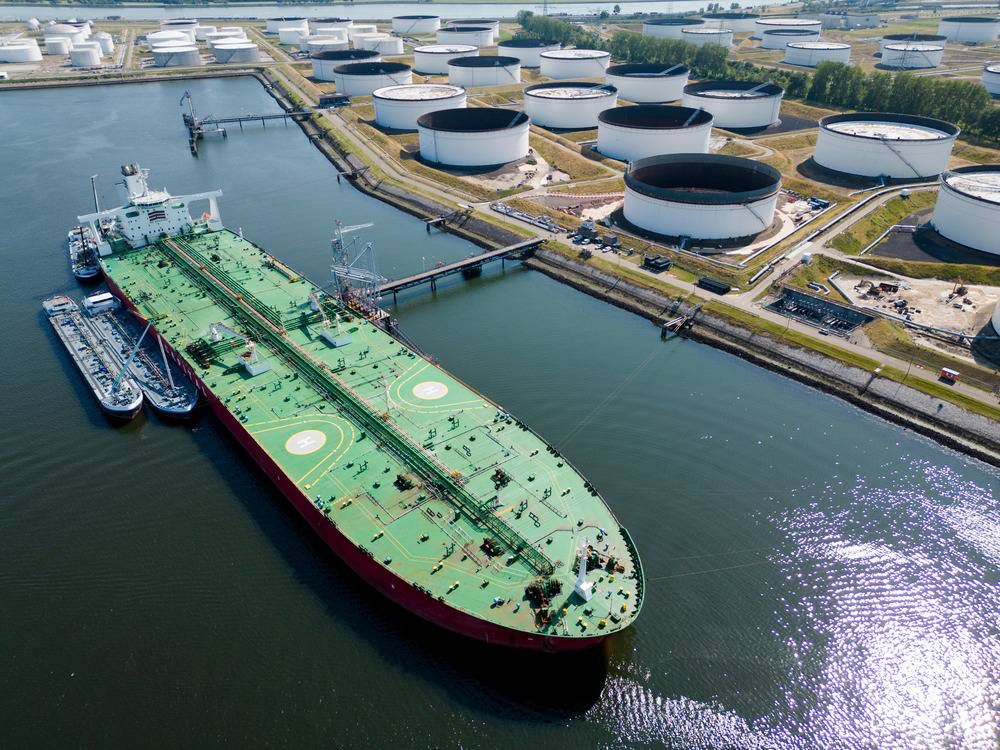
By: ThinkBusiness Africa Nigeria shipped 33.23 million barrels of crude oil to American shores between January and August this year. The total value of these exports reached $2.57 billion, more than 50% of all African crude oil exports to the U.S. during this period. The United States (U.S) mission in Nigeria said on Tuesday. August saw the highest monthly delivery of 4.49 million barrels.This volume solidifies the West African nation’s position as the dominant energy powerhouse in Africa, emerging as the leading exporter of crude oil to the United States for the first eight months of 2025. The surge is largely attributed to the sustained demand for Nigeria’s “light sweet” crude grades, such as Bonny Light and Qua Iboe. These grades are highly prized by U.S. East Coast refiners because they are low in sulfur and easier to refine into high-value products like gasoline. Source: U.S. Census Bureau The record oil exports come as non-oil exports face significant US tariffs. In August, the U.S. government implemented a “reciprocal” tariff regime, raising duties on certain Nigerian goods from 14% to 15%. While crude oil was exempted from these hikes, non-oil exports plummeted by over 45% in the third quarter, aside for agricultural products. The US said earlier in December, that agricultural trade with Nigeria doubled to over $700 million in 2025. Perhaps the most striking development of 2025 is the two-way flow of oil. While Nigeria led Africa in exports to the U.S., it also saw a 153% surge in oil imports from the U.S. due to the Dangote refinery. The Dangote Refinery, now operating at near-full 650,000 barrel production capacity, has become a major buyer of American WTI (West Texas Intermediate) crude. Data from the U.S. Census Bureau indicates that in mid-2025, the refinery was importing roughly 370,000 barrels per day of U.S. crude to blend with local grades for optimal output. For the first time in years, the Nigeria-U.S. trade balance has swung into a deficit for Nigeria. Despite the $2.57 billion in oil revenue, a massive surge in imports—ranging from U.S. machinery to crude oil for local refining—pushed Nigeria’s trade deficit with the U.S. to approximately N3.15 trillion (over $1.9B) by the end of Q3 2025.
Egypt’s stabilization gains win IMF approval for $2.5b loan payout
By: ThinkBusiness Africa The International Monetary Fund (IMF) and the Egyptian government have reached a staff-level agreement on the combined fifth and sixth reviews of Egypt’s economic reform program. The agreement paves the way for the release of approximately $2.5 billion in funding, signaling international confidence in the country’s stabilizing economy. IMF said in a statement on Monday. Approximately $1.2 billion will be disbursed from the Extended Fund Facility (EFF) following the successful completion of the fifth and sixth reviews. An additional $1.3 billion is tied to the first review of the Resilience and Sustainability Facility (RSF) , this climate-focused program, aimed at helping Egypt transition to a greener economy and manage long-term fiscal risks. The agreement still requires the final rubber stamp from the IMF Executive Board, to unlock the two loans. IMF Mission Chief Vladkova Hollar noted that despite a “challenging regional security environment,” Egypt’s stabilization efforts have yielded robust results. The North African nation entered into a 46-month loan agreement with the IMF in March 2024, when it was battling an economic crisis. Since the loan arrangement Egypt has attained macro economic stability. Egypt’s GDP growth accelerated to 5.3% in the first quarter of the 2025/26 fiscal year, up from 2.4% in the previous year. From a historic peak of 38% in late 2023, annual headline inflation plummeted to 12.3% by November 2025. Foreign reserves have seen significant growth boosted by tourism, diaspora remittances, and massive investment deals (such as the $29.7 billion Alam El Roum project with Qatar), foreign currency reserves reached $56.9 billion. While the IMF praised Egypt’s fiscal discipline and tax revenue growth (which surged by 35% in late 2025), it remained firm on the need for faster state divestment. The government has committed to a “State Ownership Policy” that aims to exit non-strategic sectors. Several major state assets are slated for sale or listing on the Egyptian Exchange (EGX) through 2026. The IMF emphasized that for Egypt to maintain this momentum, it must “level the playing field” between the private sector and state-owned enterprises (including those affiliated with the military). The authorities have reiterated their commitment to a flexible exchange rate and widening the tax base to ensure debt remains on a downward path. “With the macroeconomic stabilization now underway, it is critical for Egypt to transition toward a more sustainable economic model through the acceleration of reforms that would provide the private sector the space and the opportunity to flourish.” IMF Mission Chief Vladkova Hollar said in a statement. The Executive Board is expected to meet in early 2026 to formally approve the disbursement, which is critical as Egypt faces an estimated $44 billion in debt servicing over the 2025–2026 period.
Trump recalls 15 U.S. Ambassadors in Africa in diplomatic overhaul
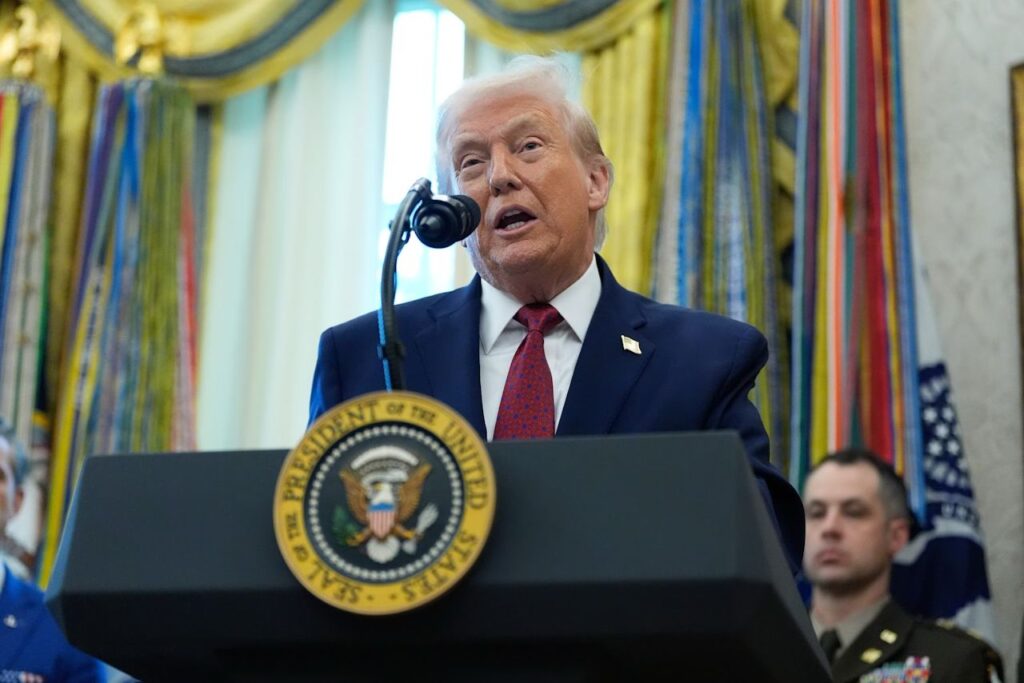
By: ThinkBusiness Africa In a dramatic escalation of his administration’s effort to reshape global engagement, President Donald Trump has ordered the immediate recall of nearly 30 career diplomats worldwide, with Africa bearing the brunt of the shake-up. While the recall impacts missions in the Asia-Pacific, Europe, and the Middle East, Africa is the most heavily affected region. Ambassadors in 15 African nations have been instructed to return to Washington as their tenures conclude by January 2026. Nigeria, Senegal, Côte d’Ivoire, Cape Verde, Niger, Uganda, Rwanda, Somalia, Madagascar, Mauritius, Cameroon, Burundi, Gabon, Algeria, Egypt. These countries have had their U.S envoy recalled. The recall of Richard Mills, the U.S. Ambassador to Nigeria, is particularly significant. Mills had been at the forefront of negotiating a “strategic security framework” to combat terrorism in the Sahel—a partnership that now faces an uncertain future. The State Department called the move a “standard process,” asserting that ambassadors serve as the personal representatives of the President. A spokesperson stated that the administration has the right to ensure envoys are “fully supportive” of the America First agenda. “An ambassador is a personal representative of the president, and it is the president’s right to ensure that he has individuals in these countries who advance the America First agenda.” — U.S. State Department Statement. While these officials will retain their Foreign Service status and return to Washington for reassignment, the sudden removal of experienced leadership has rattled the diplomatic community. The mass recall appears to be the logistical backbone of a broader policy shift. Earlier in 2025, the Trump administration introduced a new Commercial Diplomacy Strategy, pivoting away from traditional foreign aid toward “bankable partnerships” and trade deals. By clearing out Biden-era appointees, the administration aims to install “MAGA disciples” and business-oriented envoys tasked with delivering measurable commercial results for American companies. Analysts suggest that leaving key posts vacant (even temporarily) provides an opening for China and Russia to deepen their influence on the continent. The move follows the controversial shutdown of USAID earlier this year, signaling a near-total withdrawal from traditional development-led diplomacy.