
Heirs Energies secures $750m Afreximbank deal to double oil,gas output
By: ThinkBusiness Africa Heirs Energies Limited and the African Export-Import Bank (Afreximbank) have signed a massive $750 million financing agreement to fund heirs holding field development projects in Nigeria. The deal marks one of the largest capital injections into an indigenous African energy firm to date. The financing is structured as a five-year dual-tranche senior secured Reserve-Based Lending (RBL) facility. It is designed to optimize Heirs Energies’ capital structure and provide the liquidity necessary to aggressively scale production at its flagship asset, OML 17. Heirs Energies Chairman Tony Elumelu said the transaction underscored the role of African capital in financing the continent’s future. “It reflects the successful journey Heirs Energies has taken – from turnaround to growth,” he said. A significant portion of the funds will be used to refinance existing debt from the 2021 acquisition of OML 17. The remaining capital will fund a comprehensive expansion program, including infrastructure optimization and brownfield interventions to unlock deeper reserves. The $750 million facility will serve these two critical functions for the company, which is chaired by prominent African business leader Tony O. Elumelu. Heirs Energies has already demonstrated a strong track record, doubling production to over 50,000 barrels per day (bpd) since taking over operatorship from Shell, Total, and Eni. At the time of takeover, crude oil production sat at approximately 25,000 bpd, but through strategic brownfield interventions and well reactivations, the company has already more than doubled this output to over 50,000 bpd as of late 2025. Looking ahead, the new $750 million financing facility is intended to fuel an even more ambitious expansion, with the company setting a medium-term target to reach 100,000 bpd. A similar growth trajectory is evident in the company’s natural gas operations, which play a vital role in Nigeria’s domestic power sector. Starting from an initial output of 50 million standard cubic feet per day (mmscf/d) in 2021, Heirs Energies successfully ramped up production to over 120 mmscf/d by December 2025. With the newly secured capital, the company aims to more than double this capacity again, targeting a peak production of 250 mmscf/d to meet the rising energy demands of Nigeria’s industrial and residential sectors. 100% of the gas produced by Heirs Energies is currently supplied to the domestic market. Increased output will directly fuel major power plants like TransAfam Power and the Geometric Power plant in Aba, helping to stabilize the national grid. “This partnership is a testament to Afreximbank’s commitment to value creation and empowering African entrepreneurs,” said Afreximbank President George Elombi. The agreement integrates frameworks for the Nigerian Gas Flare Commercialisation Programme (NGFCP), aiming to eliminate routine flaring and convert waste gas into industrial value.
US and Nigeria signs historic $5.1B health co-investment deal
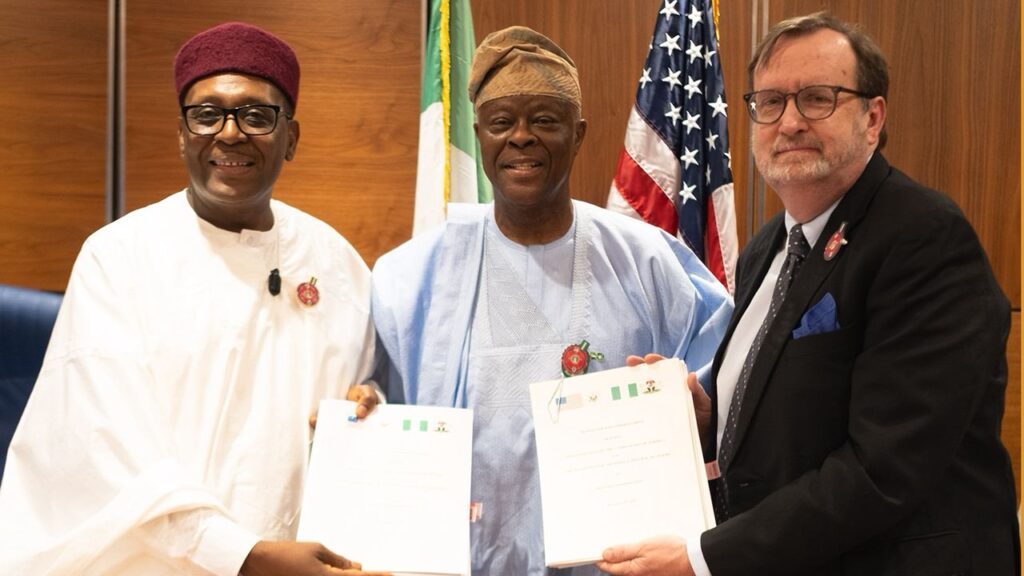
By: ThinkBusiness Africa the United States and the Federal Republic of Nigeria have officially signed a five-year, $5.1 billion bilateral health cooperation Memorandum of Understanding (MOU). This agreement marks the largest co-investment by any partner nation to date under the America First Global Health Strategy, signaling a new era of shared responsibility and national ownership in public health. The U.S Nigeria mission said in a statement on Sunday. The pact formalizes a massive financial commitment aimed at dismantling long-standing health crises while securing the interests of both nations. Unlike traditional aid models, this MOU is structured as a “co-investment,” shifting the focus toward sustainability and mutual accountability. The U.S intends to provide $2.1 billion in health assistance over the next five years, while the Nigerian government has pledged $3.0 billion in new domestic health spending. commitment from Abuja is a record-breaking figure under the America First strategy, demonstrating Nigeria’s resolve to lead its own healthcare modernization. A cornerstone of the agreement is a strategic emphasis on Nigeria’s religious healthcare network. The MOU earmarks approximately $200 million in dedicated support for more than 900 Christian While Christian clinics represent only 10% of total providers, they serve more than 30% of Nigeria’s 230 million people. Many of these hospitals operate in remote and underserved areas where government infrastructure is often unavailable. Notably, the agreement was negotiated alongside recent Nigerian government reforms aimed at prioritizing the protection of Christian populations from extremist violence. The U.S. Mission said “This investment ensures that life-saving services for HIV, TB, malaria, and maternal health are available where they are needed most.” U.S Mission noted. The funding arrives at a critical juncture for the West African nation. Nigeria currently faces some of the most daunting health statistics in the world. Nigeria accounts for 30% of the global malaria burden. The country continues to grapple with one of the highest maternal and child mortality rates worldwide. The MOU aims to aggressively target these areas through integrated services, while also bolstering efforts to combat HIV/AIDS, tuberculosis, and polio. The U.S. State Department emphasized that this assistance is not merely charitable but a strategic move to make America safer, stronger, and more prosperous. By strengthening Nigeria’s ability to detect and respond to outbreaks, the U.S. is effectively reinforcing its own health security against global pandemics. “This five-year MOU will strengthen Nigeria’s healthcare system, save lives, and make America safer, stronger, and more prosperous.” The U.S Mission emphasized.
Revenue crisis: Fitch downgrades Gabon as debt mountains rise
By: ThinkBusiness Africa Global credit ratings agency Fitch Ratings adjusted Gabon’s Long-Term Foreign-Currency Issuer Default Rating (IDR) from CCC to CCC- on Friday. Even more concerning for local investors, the agency slashed the Local-Currency IDR to CC from CCC, signaling that a default on domestic, and foreign obligations now appears probable. The move comes as the government of President Brice Oligui Nguema—who secured a definitive victory in the April 2025 elections—struggles to balance ambitious post-coup social spending with a tightening liquidity noose. Fitch forecasts Gabon’s fiscal deficit to balloon to 6.1% of GDP in 2025, a sharp rise from 3.7% in 2024. This is largely attributed to the transitional government’s massive public investment plans and social subsidies aimed at maintaining stability following the August 2023 regime change. Total government debt is projected to hit 80.4% of GDP by the end of this year, eventually climbing to 86.7% by 2027. This far exceeds the 70% limit mandated by the Central African Economic and Monetary Community (CEMAC). Since the second half of 2024, Gabon has seen a “substantial weakening” in appetite for its debt. Recent bond auctions have seen bid-to-cover ratios fall below 50%, meaning the government is failing to raise even half of the funds it seeks from regional markets. While traditional financing dried up, Gabon turned to a dangerous alternative: unpaid bills. By the end of October 2025, Gabon’s debt arrears reached a staggering $792 million (CFA 443.6 billion). These are payments owed to local suppliers and international creditors that the state simply cannot cover. “The government is essentially using arrears as a source of financing,” Fitch noted in its report. This strategy has already triggered repercussions; earlier this year, The World Bank suspended disbursements after Gabon failed to pay $26.7 million ( 17 billion CFA francs) in debt arrears, further choking the country’s development pipeline. While the government remains optimistic, targeting a return to primary budget balance by 2026, Fitch remains skeptical. The agency noted that a new IMF funded program—vital for restoring investor confidence—remains unlikely due to the government’s “expansionary fiscal policy” and the mounting pile of external arrears. Fitch’s latest downgrade has sent the Central African nation’s credit status deeper into non-investment territory, further constraining Gabon economic recovery efforts. Real GDP growth is expected to slow to 2.7% in the coming years as the government is forced to pull back on the very spending that has supported the economy since the transition began.
Nigeria business confidence eyes 52.8 peak by May 2026 – central bank report
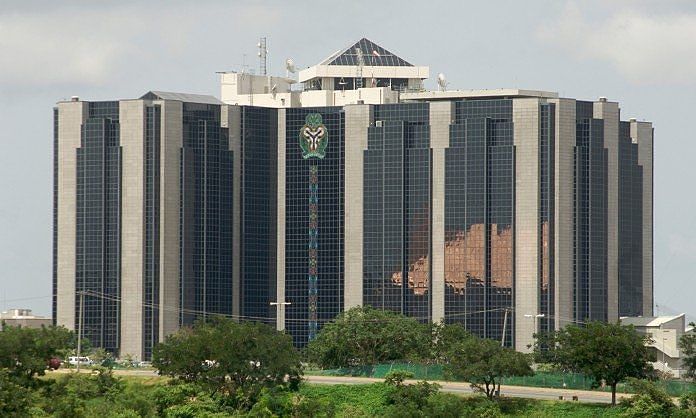
By: ThinkBusiness Africa Nigerian business leaders are signaling a robust turnaround in the country’s economic fortunes, with business confidence projected to surge to a peak of 52.8 points in six months. According to the Central Bank of Nigeria’s (CBN) latest November 2025 Business Expectations Survey (BES), the national sentiment has moved firmly into “expansionary territory.” The current confidence index for November stands at 37.5 points, but the trajectory suggests a steady climb as firms bet on stabilizing prices and a stronger Naira. The projected 52.8 index points represent a critical psychological and economic threshold. In the CBN’s reporting framework, any score above 50.0 indicates that a majority of businesses expect expansion rather than contraction. “The Confidence in November 2025 stood at 37.5 index points, reflecting optimism among respondents regarding the macroeconomy. This optimism is projected to continuously improve, reaching a peak of 52.8 index points over the next six months,” CBN said. The survey reveals that this optimism is broad-based. The Industry sector is currently the most optimistic at 38.1 points, followed closely by Agriculture and Services. Anchored by these projections, businesses have indicated plans to ramp up recruitment as early as December 2025, particularly in the Mining & Quarrying and Construction sectors. The Mining sector also reported the highest capacity utilization, suggesting that industrial output is beginning to hit its stride after a period of stagnation. The sector posted the highest confidence at 50.0 index points. A primary driver for this renewed confidence is the cooling of inflation expectations. The Inflation Expectations Index dropped significantly from 48.7 in October to 43.5 in November 2025. In November Nigeria headline inflation eased to 14% from peak 34% in November 2024. Respondents noted that while energy and transportation costs remain concerns, they expect the overall pace of price increases to moderate. Furthermore, a majority of firms surveyed expressed a belief that the Naira will appreciate against the U.S Dollar over the next six months, which would significantly lower the cost of raw materials and imported goods. Naira has appreciated 7% against the U.S dollar this year. Currently, it has stabilized below the N1500/$ psychological level.
Debt service takes 27% of Nigeria’s N58.18 trillion 2026 national budget
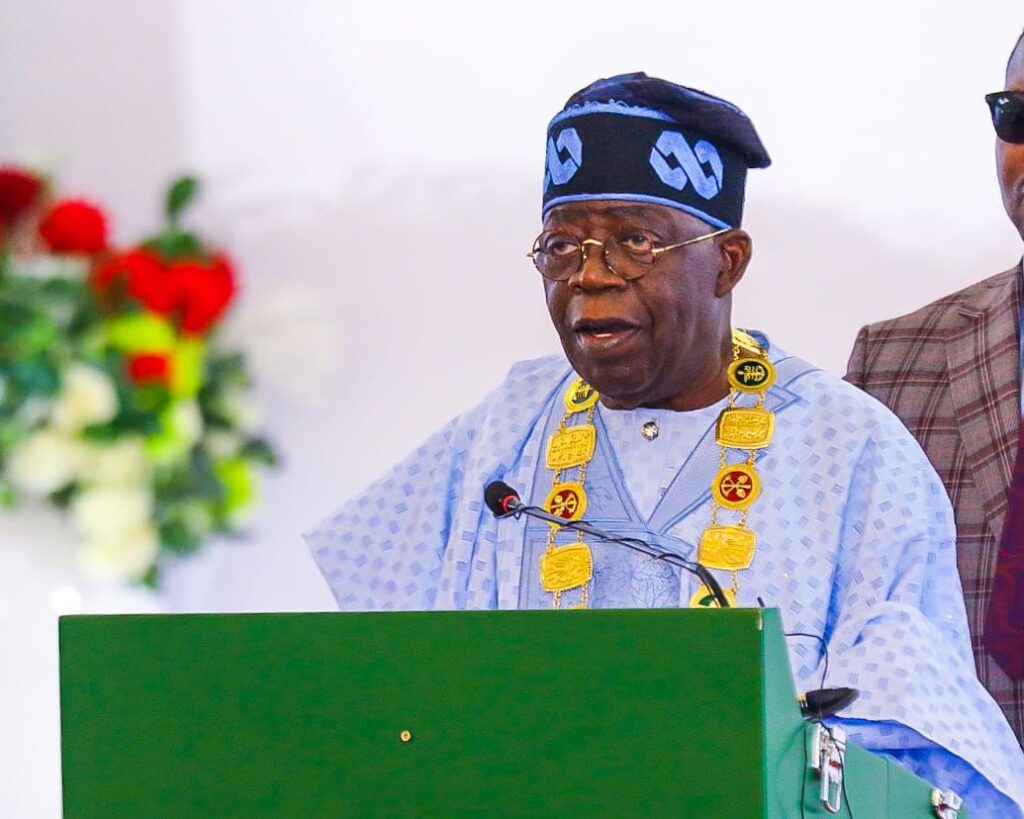
By: ThinkBusiness Africa President Bola Ahmed Tinubu on Friday presented a N58.49 trillion “Budget of Consolidation, Renewed Resilience, and Shared Prosperity” for the 2026 fiscal year to a joint session of the National Assembly. While the budget promises a shift toward growth and infrastructure a fiscal breakdown shows N15.52 trillion—roughly 26.53% (rounded to 27%) of the total expenditure—has been earmarked solely for debt servicing. The 2026 budget represents a 6% increase over the N54.99 trillion 2025 budget, reflecting the administration’s intent to maintain infrastructure momentum despite global economic headwinds and a tightening domestic fiscal environment. Allocation for capital expenditure stands at N26.08 trillion, representing 44.5% of the total budget. This funding is focused on completing ongoing rail, road, and power projects rather than initiating new ones. Defence budget is projected at N5.41 trillion Meanwhile, recurrent (non-debt) expenditure, which covers personnel costs and pensions, is set at N15.25 trillion, 26% of the total. Statutory transfers, including funds for the National Assembly and the Judiciary, account for N4.1 trillion, making up the final 7% of the fiscal plan. Out of the total N58.18 trillion expenditure, the government expects to generate N34.33 trillion in revenue, leaving a massive fiscal deficit of N23.85 trillion, or 4.28% of GDP. To address this deficit, Minister of Budget and Economic Planning, Senator Abubakar Bagudu, said the administration plans to secure N17.88 trillion in new borrowings, split between domestic and foreign markets. The N15.52 trillion earmarked for debt servicing is nearly 300% higher than the N3.98 trillion allocated 3 years ago in 2022. When measured against the government’s expected revenue (N34.33 trillion), the situation is even more critical: debt servicing alone will consume approximately 45% of every naira earned by the federal government in 2026. President Tinubu termed the budget “realistic and conservative”. Notably, the government has adjusted its exchange rate expectations from N1500/$ to N1400/$ and oil production from 2 million barrels per day (mbpd) in the previous budget to 1.84 mbpd, reflecting current market realities. Yakubu explained that the larger deficit reflects legacy rigidities rather than policy loosening, with financing expected to rely primarily on domestic borrowing, supported by concessional multilateral loans.
Nigerian president revises 2024,2025 budgets, seeks 3 month extension for 2025 implementation
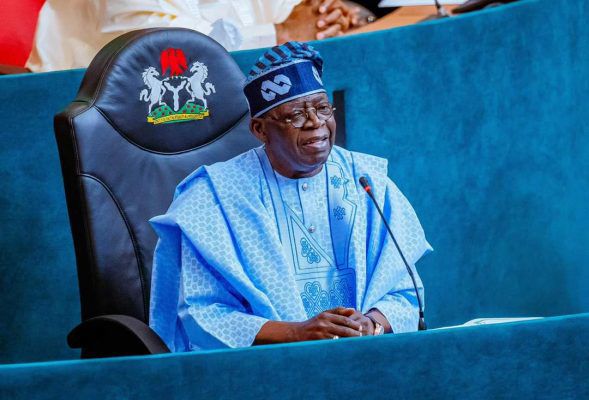
By:ThinkBusiness Africa President Bola Ahmed Tinubu has formally requested the National Assembly to repeal and re-enact the 2024 and 2025 Appropriation Acts. The proposal, transmitted via a letter read during plenary on Friday, seeks to synchronize the country’s chaotic budget cycles and extend the 2025 fiscal year until March 31, 2026. The President’s legislative request aims to end the “unhealthy practice” of running multiple budgets concurrently—a situation that has seen the 2023 supplementary, 2024, and 2025 budgets all operational at the same time. Finance minister, Wale Edun, said earlier this week that the 3 different concurrent budgets were being financed with revenue generated in 2025. This situation he explained was creating revenue constraints for the present fiscal year. In the letter, Tinubu is proposing a total “reset” of the federal expenditure framework. Rather than simple amendments, the existing laws will be scrapped and replaced with figures that the Presidency says reflect “current fiscal realities and execution capacity.” The President seeks a significant upward revision for the 2024 budget from its original N35.06 trillion to N43.56 trillion, with implementation period ending on 31 December 2025. In a surprising turn, the 2025 Budget—originally signed at N54.99 trillion—is being revised downward to N48.32 trillion. Crucially, its implementation period will now run through March 2026. If passed, this will mark the most significant change to Nigeria’s financial calendar since the return to the January-December cycle in 2020. President Tinubu explained that the reform is necessary to accommodate “unprecedentedly high” capital performance and ensure that at least 30% of capital allocations are released to Ministries, Departments, and Agencies (MDAs). “This is part of a broader fiscal reform measure aimed at eliminating the overlap of multiple concurrently running budgets, thereby strengthening planning, execution, and accountability across government expenditure cycles,”” the President stated in his letter. Last week, the federal government directed MDAs to carry over 70% of their approved 2025 capital allocations to 2026. MDAs were instructed that their 2026 budget proposals must largely be composed of funds already allocated in 2025, with no new capital projects allowed. The repeal-and-replace strategy clears the runway for the 2026 Appropriation Bill, which the President is scheduled to present to a joint session of the National Assembly.
Over 40m barrels Nigerian and Angolan oil unsold amid global oversupply
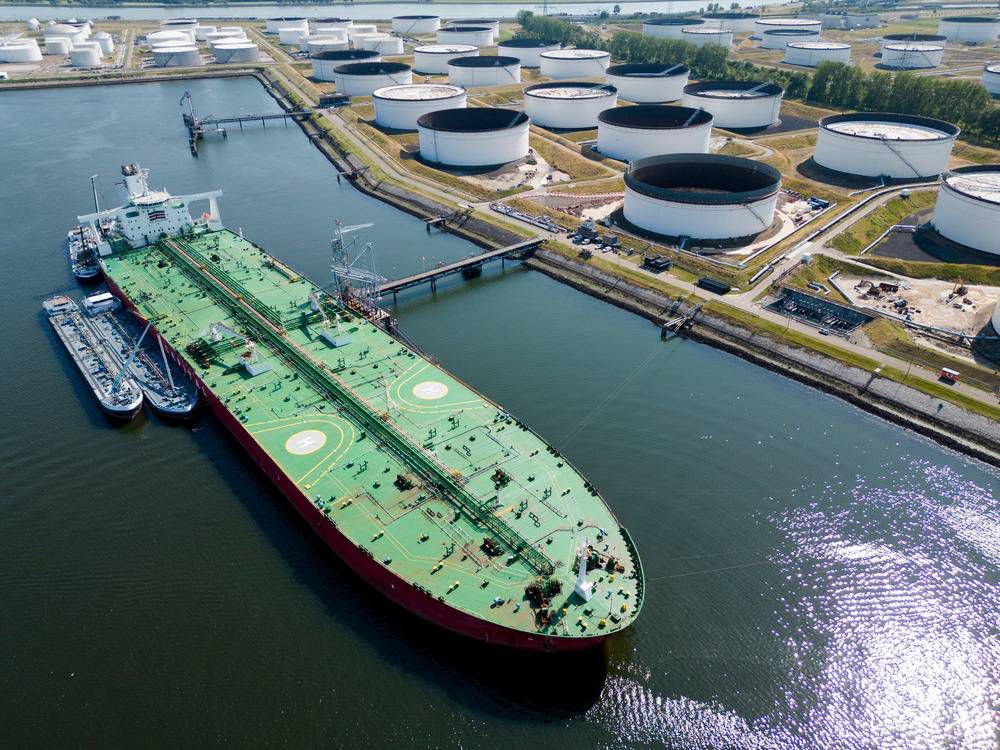
By: Chidozie Nwali A massive glut in the West African crude market has left approximately 20 million barrels of Nigerian oil and several cargoes of Angolan crude without buyers, as a global oversupply drives international prices to their lowest levels in months. The overhang, described by traders as “unusual” for this time of year, has contributed to a sharp sell-off in the futures market, pushing Brent crude below $60 per barrel on Friday, its lowest since April—a significant drop from the levels required to sustain the national budgets of Africa’s top producers. Analysts said, the backlog for December and January loading windows has reached critical levels, with Nigeria’s 20 million barrels (roughly 10–12 Very Large Crude Carrier cargoes) unsold. And Angola with five to six major cargoes for January loading are still searching for a destination. Reuters reported. Estimates earlier this week suggested the combined West African surplus peaked at nearly 40 million barrels. Nigeria’s 650,000 bpd Dangote Refinery, which has become a major local consumer, is scheduled for maintenance in January 2025. This has temporarily reduced domestic demand, forcing more Nigerian crude back into an already saturated international market. Analysts said Cheap supplies from the Middle East, Argentina, and Brazil are aggressively displacing West African grades. Specifically, Middle Eastern producers have lowered their Official Selling Prices (OSPs) for January, offering shorter shipping routes and better margins for Asian refiners. Despite ongoing Western sanctions, Russian crude continues to find a home in India and China, traditional strongholds for Nigerian and Angolan medium-heavy grade crude oil. Last week Saturday, JP Morgan projected over 3 million barrels (mbpd) per day surplus for 2026 leading to 2027. The International Energy Agency (IEA) recently revised its global outlook, projecting a 3.8 mbpd surplus heading into 2026. This “lopsided” balance has killed buying pressure. The inability to clear these volumes is a direct threat to Nigeria’s 2025 Appropriation Act. The federal budget, signed earlier this year by President Bola Tinubu, was built on a benchmark price of $75 per barrel (Current market: ~$59). With the price now trading nearly 20% below the benchmark and millions of barrels sitting in storage, the federal government faces a widening deficit. However, the government has strengthened its non-oil revenue trying to close any deficit. Traders are now closely watching OPEC+ to see if the alliance will intervene with deeper production cuts to stabilize prices, though some members may resist further reductions given the need for export revenue. OPEC+ had announced a 137,000 bpd production for December, and first quarter of 2026.
Over 40m barrels Nigerian and Angolan oil unsold amid global oversupply
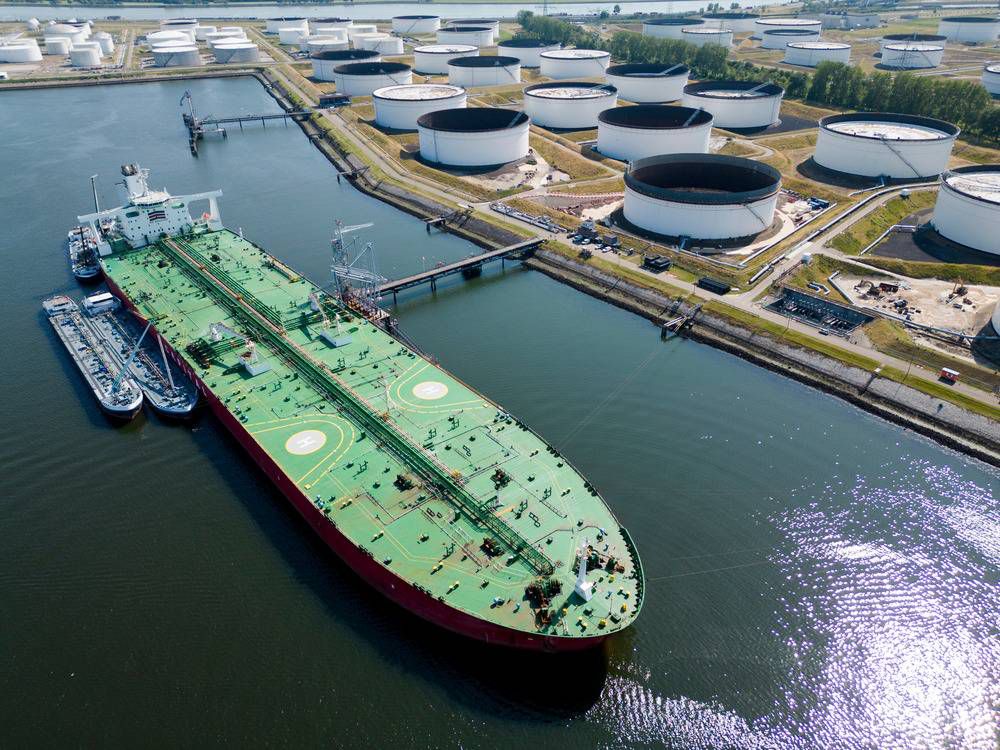
By: Chidozie Nwali A massive glut in the West African crude market has left approximately 20 million barrels of Nigerian oil and several cargoes of Angolan crude without buyers, as a global oversupply drives international prices to their lowest levels in months. The overhang, described by traders as “unusual” for this time of year, has contributed to a sharp sell-off in the futures market, pushing Brent crude below $60 per barrel on Friday, its lowest since April—a significant drop from the levels required to sustain the national budgets of Africa’s top producers. Analysts said, the backlog for December and January loading windows has reached critical levels, with Nigeria’s 20 million barrels (roughly 10–12 Very Large Crude Carrier cargoes) unsold. And Angola with five to six major cargoes for January loading are still searching for a destination. Reuters reported. Estimates earlier this week suggested the combined West African surplus peaked at nearly 40 million barrels. Nigeria’s 650,000 bpd Dangote Refinery, which has become a major local consumer, is scheduled for maintenance in January 2025. This has temporarily reduced domestic demand, forcing more Nigerian crude back into an already saturated international market. Analysts said Cheap supplies from the Middle East, Argentina, and Brazil are aggressively displacing West African grades. Specifically, Middle Eastern producers have lowered their Official Selling Prices (OSPs) for January, offering shorter shipping routes and better margins for Asian refiners. Despite ongoing Western sanctions, Russian crude continues to find a home in India and China, traditional strongholds for Nigerian and Angolan medium-heavy grade crude oil. Last week Saturday, JP Morgan projected over 3 million barrels (mbpd) per day surplus for 2026 leading to 2027. The International Energy Agency (IEA) recently revised its global outlook, projecting a 3.8 mbpd surplus heading into 2026. This “lopsided” balance has killed buying pressure. The inability to clear these volumes is a direct threat to Nigeria’s 2025 Appropriation Act. The federal budget, signed earlier this year by President Bola Tinubu, was built on a benchmark price of $75 per barrel (Current market: ~$59). With the price now trading nearly 20% below the benchmark and millions of barrels sitting in storage, the federal government faces a widening deficit. However, the government has strengthened its non-oil revenue trying to close any deficit. Traders are now closely watching OPEC+ to see if the alliance will intervene with deeper production cuts to stabilize prices, though some members may resist further reductions given the need for export revenue. OPEC+ had announced a 137,000 bpd production for December, and first quarter of 2026.
Ghana parliament bars central bank from buying government bonds, T bills
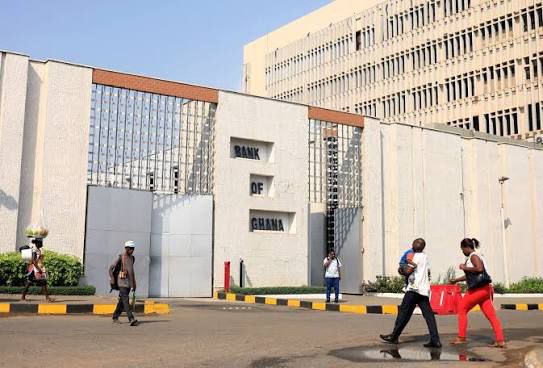
By: ThinkBusiness Africa In a decisive move to stabilize the national economy and curb long-standing fiscal indiscipline, the Parliament of Ghana on Thursday officially approved the Bank of Ghana (Amendment) Bill, 2024. This landmark legislation effectively bars the central bank from purchasing government securities on the primary market, a move designed to end the “printing of money” to fund government deficits. The new law introduces a strict “Zero Financing” rule. For years, the Bank of Ghana (BoG) acted as a lender of last resort for the state, often exceeding legal lending caps to bridge budget gaps. The BoG is now barred from buying bonds or treasury bills directly from the government. The amendment removes the “emergency” provisions that previously allowed officials to bypass the 5% loan cap tied to the previous year’s revenue. Any temporary advances granted under extreme, clearly defined circumstances must now include a fixed repayment schedule and explicit Parliamentary approval. This legislative shift is a response to the economic crisis of 2022–2023, where inflation soared above 50% and the Cedi plummeted. “We are insulating the central bank from political pressure,” stated Finance Minister Cassiel Ato Forson during the floor debate. “This is about restoring the BoG’s primary mission: price stability and inflation control.” He said. Ghana’s central bank had previously come under fire for posting negative equity after extending massive overdrafts to the government during the COVID-19 pandemic and subsequent debt defaults. By funding the government directly, the bank had inadvertently fueled the very inflation it was supposed to fight. The latest reform is part of a “structural benchmark” required by the International Monetary Fund (IMF) as part of Ghana’s $3 billion Extended Credit Facility. By banning monetary financing, Ghana signals to international investors that it is serious about fiscal transparency. The bill also includes provisions for the state to recapitalize the BoG, ensuring it has the assets necessary to conduct independent monetary policy. As of late 2025, the effects of these tighter controls are already visible: Ghana’s Inflation has dropped from over 50% in 2022 to approximately 6.3% in November 2025, firmly within BoG’s target range. The bill now heads to the President for final assent. Once signed, the government will be legally required to balance its books without relying on the central bank’s “printing press”—a move that experts call the most significant change to Ghana’s financial architecture in two decades.
Gabon to roll out new housing tax to combat debt crisis
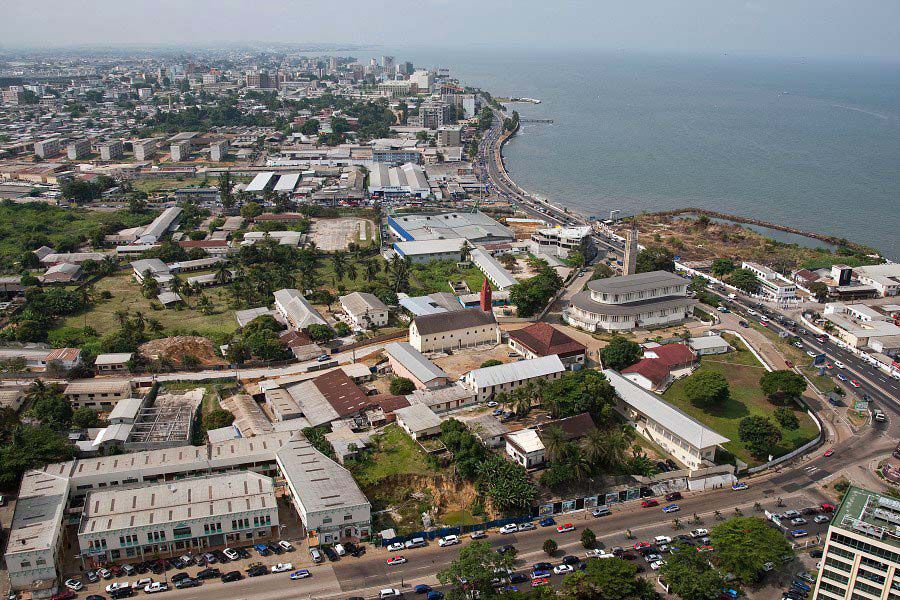
By: Chidozie Nwali Faced with a looming “debt wall” and a national debt stock projected to hit 84% of GDP by 2026, the Gabonese government has officially unveiled a controversial new housing tax as a cornerstone of its fiscal recovery plan. The Flat-Rate Housing Tax (Taxe Forfaitaire d’Habitation or TFH), which goes into effect on January 2, 2026, represents a high-stakes move by the transitional administration to diversify revenue away from volatile oil markets and satisfy international creditors like the International Monetary Fund (IMF). The timing of the new tax is critical. According to recent World Bank data, Gabon faces a high concentration of debt maturities in 2026–2027, with nearly 60% of its total outstanding debt coming due in that short window. To avoid a sovereign default, the government’s 2026 Finance Law introduces the TFH as a way to generate a reliable, non-oil revenue stream. Government estimates suggest the tax will bring in approximately 17.95 billion CFA francs ($32 million) in its first year. According to special adviser to the president, Marie-Noelle Ada Meyo,The tax is an annual fee but is payable in monthly installments through SEEG (Gabon’s Water and Energy Company) utility bills. For many households, this amounts to 1,000 CFA francs per month ($1.65), totaling 12,000 CFA ($20) per year. the most vulnerable households, schools and places of worship will be exempted. As of the end of October 2025, Gabon’s outstanding public debt stood at 8.6 trillion CFA francs ($15.45 billion), a significant increase from 7.1 trillion ($12.68 billion) for the same period last year. Data from the Central African nation’s debt office shows the overall amount comprises 4.2 trillion CFA francs ($7.50 billion) of external debt and 4.4 trillion ($7.86 billion) of domestic debt, including 3.2 trillion ($5.72 billion) issued on the regional financial market.