
Inefficient Global Payments Shutting Millions Out of Trade, Nigeria Central Bank Chief Warns
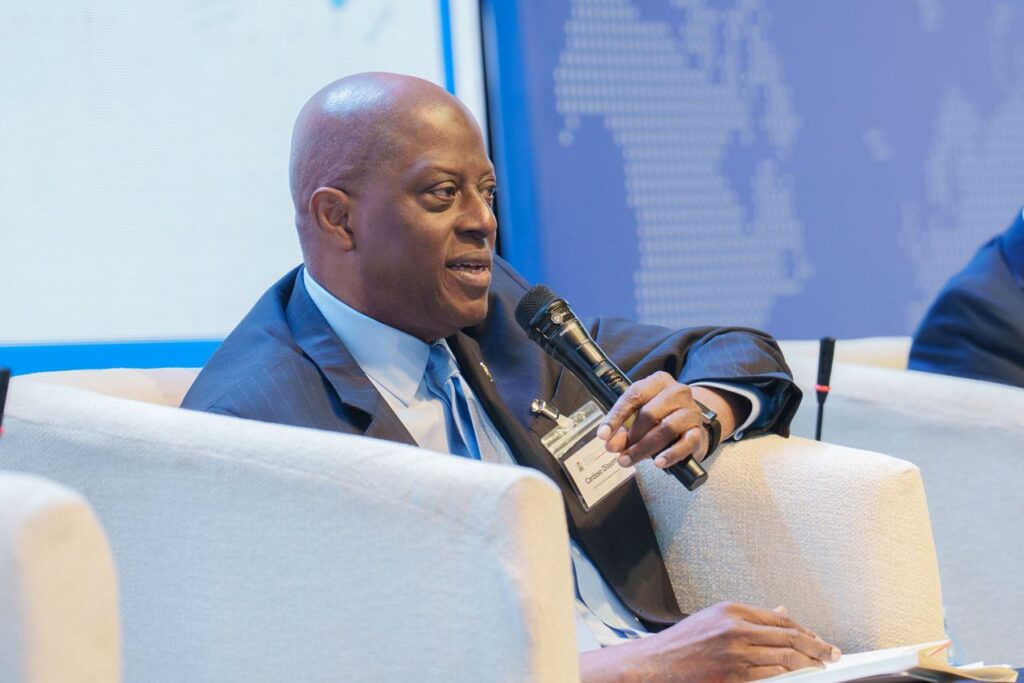
By: ThinkBusiness Africa LAGOS, Nigeria — Olayemi Cardoso, Governor of the Central Bank of Nigeria (CBN), has issued a stark warning to global financial leaders, stating that the current “fragmented and inefficient” state of cross-border payments is a direct threat to inclusive growth in developing nations. Speaking on Thursday, at the G-24 Technical Group Meetings, Cardoso argued that the global financial system is structurally biased against emerging markets, effectively “shutting out” millions of small businesses and households from the global economy. Cardoso emphasized that while the world has moved toward rapid digitalization, the “plumbing” of international finance remains stuck in the past. He cited critical bottlenecks that continue to plague developing economies: Global remittance corridors still average costs exceeding 6%, significantly higher than the United Nations’ Sustainable Development Goal target of 3%. Transactions that should be instantaneous often take several days to settle, tying up capital for Micro, Small, and Medium Enterprises (MSMEs). Rigid and fragmented regulatory requirements often act as a barrier rather than a safeguard, disconnecting local players from global opportunities. “An economy cannot be more inclusive than its payment system,” Cardoso told the assembly. “If people cannot move money easily, affordably, and safely across borders, they cannot fully participate in modern economic life.” He said. The Governor also raised the alarm regarding the rise of private digital platforms and stablecoins. He warned that if central banks fail to innovate and coordinate, these private alternatives could lead to currency substitution and a loss of monetary sovereignty for developing nations. To counter this, Cardoso advocated for treating digital cross-border payments as a “public good.” He urged central banks to lead the design of new architectures. The speech highlighted Nigeria’s proactive stance. Since the launch of the National Payment Stack in June 2025, the country has seen a marked shift in remittance growth. Monthly inflows have stabilized at an average of $600 million, with the CBN eyeing a $1 billion monthly milestone. Nigeria has simplified KYC (Know Your Customer) requirements for low-value transactions to encourage participation in the Pan-African Payment and Settlement System (PAPSS). Cardoso concluded by reaffirming Nigeria’s commitment to working with the IMF, the World Bank, and G-24 partners to build a “development-oriented” global financial architecture that prioritizes speed, transparency, and equity.
Rwanda’s central bank raises key policy rate to 7.25% amid inflation spike
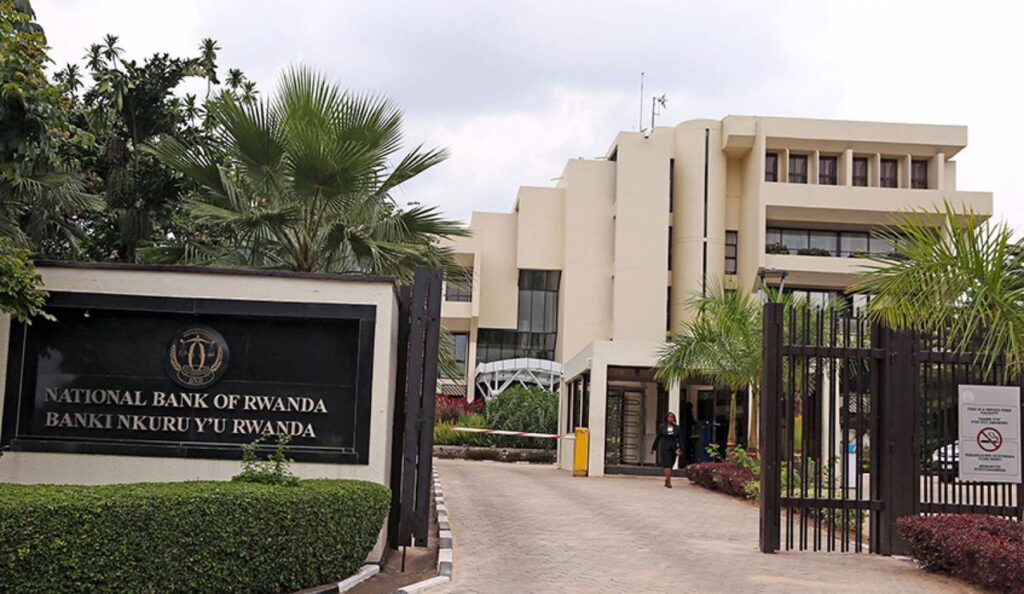
By: ThinkBusiness Africa The National Bank of Rwanda (BNR) has raised its benchmark interest rate by 50 basis points to 7.25%, marking a decisive return to monetary tightening as inflation pressures breach the government’s upper target limit. The decision, announced by Governor Soraya Hakuziyaremye on Thursday following a meeting of the Monetary Policy Committee (MPC), ends a period of relative holding and sets Rwanda apart from several other African nations currently entering easing cycles. The primary catalyst for the hike was a sharp acceleration in consumer prices. Headline inflation rose to 8.9% in January 2026, climbing from 8% in December and surpassing the central bank’s target band of 2% to 8%. A 12.4% spike in energy inflation, fueled by revised electricity tariffs and global fuel price volatility contributed to energy price surge. Excluding volatile food and energy, core inflation hit 9%, suggesting that price pressures are becoming embedded in the broader economy. Significant price hikes were recorded in healthcare, hospitality (hotels and restaurants), and housing. “The decision to raise the policy rate is a measured step to limit second-round effects of recent price increases,” Governor Hakuziyaremye told reporters. “It is a necessary condition to sustain our long-term economic growth.” The BNR felt empowered to hike rates due to Rwanda’s exceptionally strong economic performance. The economy expanded by an average of 8.7% during the first three quarters of 2025, with growth accelerating to 11.8% in the third quarter alone. This robust growth—driven by the services and industrial sectors—suggests the economy can withstand higher borrowing costs without slipping into a recession. Additionally, the central bank reported a record surplus of Rwf 150 billion ($102.7 million) for the fiscal year ending June 2025, bolstered by high returns on foreign reserves. Rwanda’s move “defies the trend” currently seen across much of the continent. While neighbors like Kenya and other major economies like Ghana and Egypt have begun cutting rates to stimulate growth as their inflation cools, Rwanda’s MPC opted for caution to protect household purchasing power and stabilize the Rwandan franc, which depreciated by 4.4% against the dollar in 2025. The central bank projects that inflation will remain slightly above the 8% threshold for the first half of 2026. However, assuming improved agricultural output and stable global commodity prices, the BNR expects inflation to return to the 2–8% target range by the end of the year.
Economic Reset: Nigeria’s FX Reserves Hit $48.5bn; Central Bank Reforms Signals Decisive Turning Point
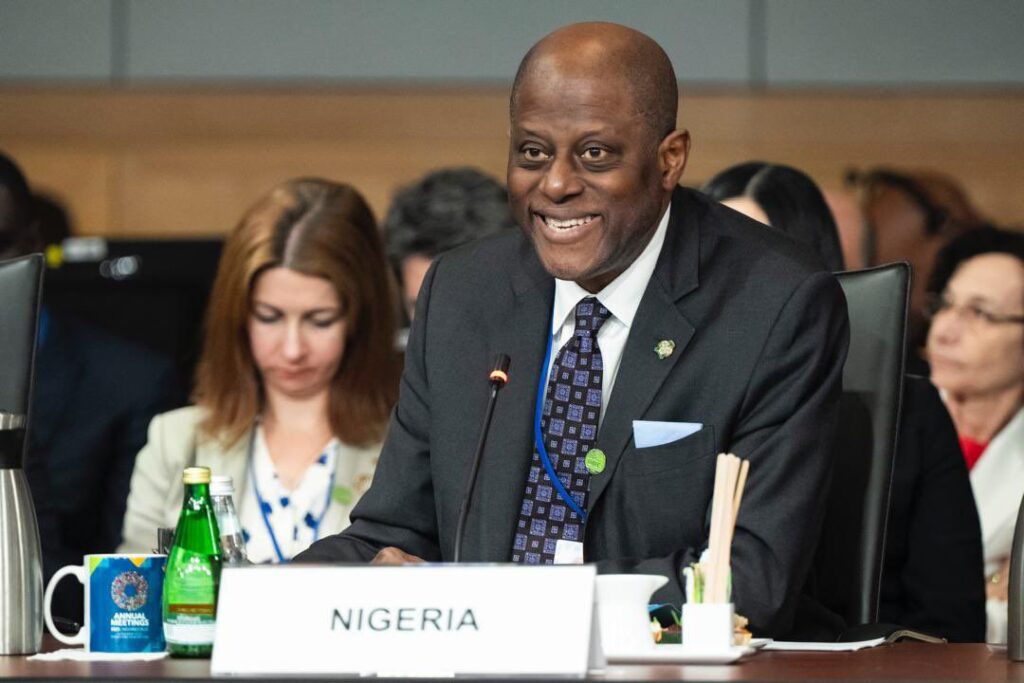
By: ThinkBusiness Africa LAGOS — Nigeria’s economic recovery has reached a historic milestone as gross foreign exchange (FX) reserves surged to $48.5billion, the highest level since 2018. This aggressive increase of buffers is being hailed by analysts as the “ultimate validation” of the Central Bank of Nigeria’s (CBN) orthodox monetary reforms. Under the leadership of Governor Olayemi Cardoso, the apex bank has moved from the “intervention-heavy” era of the past toward a transparent, market-driven framework that has finally restored investor confidence. The “Cardoso Effect”: From $3bn to $49bn Earlier in February while speaking at the National Economic Council (NEC) conference in Abuja, Governor Cardoso noted that the journey from the 2023 lows—where “net” reserves were rumored to be as low as $3 billion—to today’s $48.5 billion represents a dramatic shift in Nigeria’s financial credibility. “The era of multiple exchange rates and arbitrage is over,” Cardoso stated. “Our focus on price discovery and institutional discipline has made the Naira predictable again.” He said. The CBN’s reform victory is built on three strategic pillars that have successfully “opened the taps” for dollar inflows: By adopting a “willing buyer, willing seller” model, the CBN has collapsed the gap between the official and parallel markets to under 2%. This transparency has eliminated the incentive for hoarding and “black market” speculation. High interest rates (MPR at 27.5%) have made Nigerian debt instruments some of the most attractive in emerging markets. Foreign portfolio inflows to the banking sector rose by 15% in the first quarter of 2026 alone. New frameworks for International Money Transfer Operators (IMTOs) have funneled record diaspora remittances directly into the official system, bypassing the shadow economy. With reserves nearing the $50 billion mark, Nigeria now boasts an import cover of 14 months—more than quadruple the international recommendation of three months. This “war chest” provides a massive cushion against global shocks, such as fluctuating oil prices or interest rate hikes in the US. The CBN has its sights set even higher, with a projection of hitting $51 billion by the end of 2026. This optimism is fueled by the expansion of the Dangote Refinery to 1.4 million bpd, which is expected to further reduce the demand for dollars previously used for fuel imports. While challenges remain—particularly in ensuring this macro-stability translates into lower food inflation—the $49 billion reserve milestone serves as a clear signal to the world: Nigeria’s financial house is back in order.
IMF approves $91 million disbursement for Niger following program reviews
By: ThinkBusiness Africa The International Monetary Fund (IMF) said on Wednesday, that it has reached a staff-level agreement with Nigerien authorities, clearing the way for approximately $91 million in funding. The decision follows the completion of the eighth review under the Extended Credit Facility (ECF) and the fourth review under the Resilience and Sustainability Facility (RSF). The agreement comes at a critical juncture for Niger as it navigates a complex transition under its military-led government and strengthens its ties within the Alliance of Sahel States (AES). The total disbursement is split into two specialized financial instruments designed to address both immediate fiscal needs and long-term structural challenges. Approximately $61 million (SDR 43.8 million) under ECF to support macroeconomic stability and help meet external financing requirements. And under RSF, approximately $30 million (SDR 21.7 million) is dedicated to bolstering climate resilience and supporting sustainable development initiatives. Despite a “challenging security environment” and recurring “climate shocks,” the IMF team, led by Ms. Izabela Karpowicz, noted that Niger’s economic fundamentals remain surprisingly robust. GDP Growth projected at 6.7% for 2026, driven largely by the expansion of the oil sector and a favorable agricultural harvest. Inflation which saw a decline of 4.6% in 2025, are expected to rise only moderately in the coming year. Fiscal Deficit is projected to widen temporarily to 3.7% of GDP in 2026, reflecting the government’s increased spending on climate adaptation and security. The agreement is now subject to formal approval by the IMF Executive Board, with a meeting scheduled for March 2026. Upon approval, the funds will be made available immediately to support the national budget.
Nigeria moves to block oil revenue leakages, mandates direct payment to federation account
By: ThinkBusiness Africa LAGOS, Nigeria — In a move described as a “fiscal reset” for Africa’s largest oil producer, President Bola Tinubu has signed an Executive, stripping the Nigerian National Petroleum Company Limited (NNPC) of its power to retain multi-billion naira deductions from oil and gas revenues. The order, officially gazetted this Wednesday, mandates that all government entitlements from the petroleum sector be paid directly into the Federation Account, bypassing the NNPC’s internal accounts for the first time in decades. The presidency revealed that the current framework under the Petroleum Industry Act (PIA) of 2021 allowed the NNPC to divert more than two-thirds of potential revenue through what it called “duplicative and unjustified” retention. The NNPC is no longer entitled to the 30% management fee on Profit Oil and Profit Gas from Production Sharing Contracts (PSCs). The government noted that the company’s existing 20% profit retention for working capital is already sufficient. The 30% deduction previously earmarked for exploration in inland basins has been abolished. These funds must now be transferred directly to the Federation Account to fund national priorities like security and health. By invoking Section 44(3) of the 1999 Constitution, the President is asserting that all mineral resources belong to the Federation, not a single corporate entity. “For too long, excessive deductions and structural distortions have weakened remittances to the Federation Account,” stated president Tinubu. “This order restores the constitutional entitlements of federal, state, and local governments.” He said. To ensure the directive is not met with institutional resistance, President Tinubu has established a high-level Implementation Committee. Led by the Minister of Finance and Coordinating Minister of the Economy, the committee includes the Attorney-General and the Director-General of the Budget Office. Market analysts suggest this move will significantly boost the monthly allocations shared by the Federation Account Allocation Committee (FAAC), providing much-needed liquidity to cash-strapped state governments. However, the reform also signals a fundamental shift for NNPC Limited, forcing it to operate strictly as a commercial enterprise rather than a quasi-government agency with independent spending power.
How you can obtain a mortgage at a single-digit interest rate in Nigeria
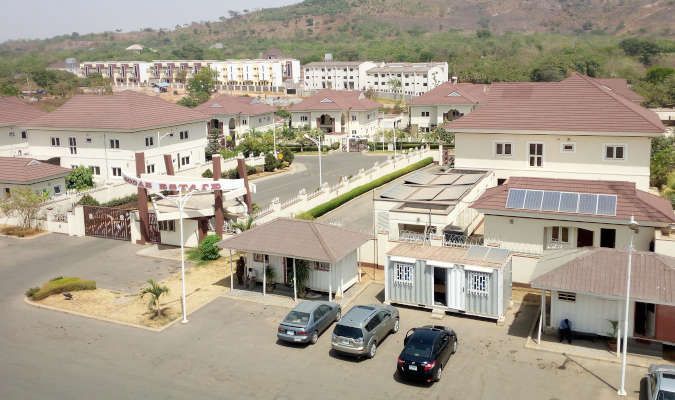
By:ThinkBusiness Africa In a real estate market where double-digit inflation and high commercial lending rates have long made homeownership a distant dream, a new path has opened for Nigerians. The Ministry of Finance Incorporated Real Estate Investment Fund (MREIF) is officially bridging the gap, offering fixed, single-digit interest rates to prospective homeowners. Managed by ARM Investment Managers, the N1 trillion fund is designed to bypass the traditional 25%–30% interest rates seen in commercial banks, providing a steady 9.75% per annum rate for qualified buyers. Securing a mortgage through the MREIF is not a direct “government handout” but a structured financial process. Here is how you can navigate the path to your own front door: Prepare Your 10% Equity One of the fund’s biggest advantages is the low entry barrier. While most banks demand 20% to 30% upfront, the MREIF requires only 10% equity. Under current guidelines, you can utilize up to 25% of your Retirement Savings Account (RSA) balance to fund this 10% down payment. MREIF provides the liquidity, but you apply through Eligible Financial Institutions (EFIs). Major players include Stanbic IBTC, Access Bank, FirstBank, and FCMB. Once your chosen bank verifies your “Debt Service Ratio” (your monthly repayment shouldn’t exceed 40% of your income), the loan is disbursed. The rate is fixed, meaning even if market rates spike in 2027 or 2030, your 9.75% remains unchanged for the duration of your tenure (up to 20 years). The fund’s maximum loan limit is N100 Million (though some special categories may reach N200 Million), making it accessible for everything from studio apartments for young professionals to family homes in the suburbs.
Kenya and U.S. set to resume trade talks in Washington amid widening deficit
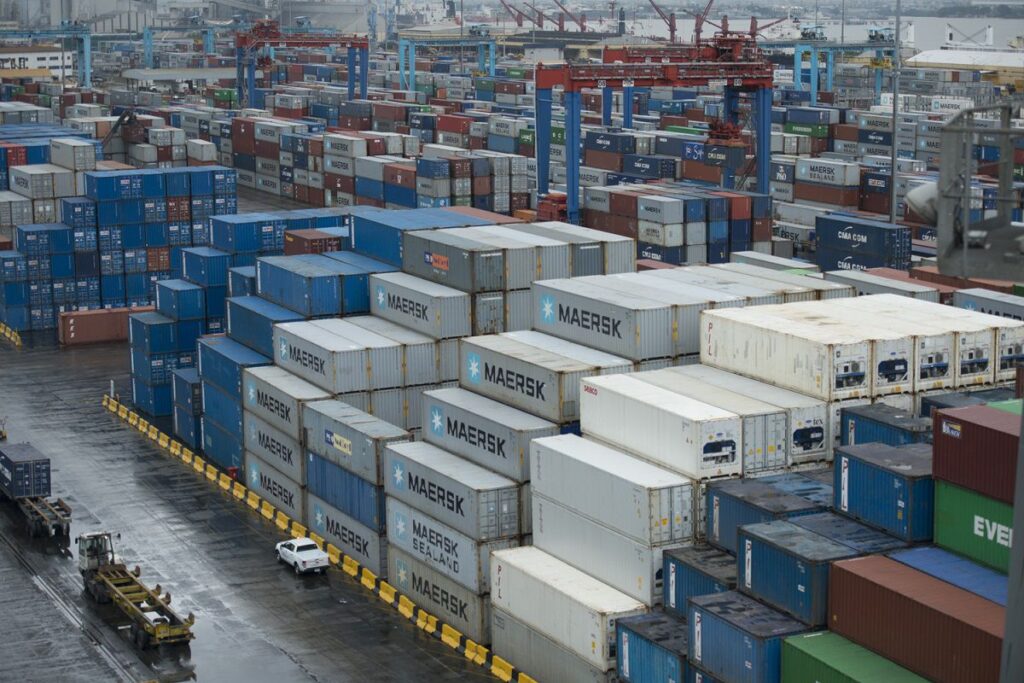
By: ThinkBusiness Africa Kenya and the United States are set to return to the negotiating table in Washington next week, a move aimed at finalizing a long-awaited bilateral trade deal. The announcement comes as Nairobi faces mounting pressure to address a trade deficit that has recently swelled to $142 million. Lee Kinyanjui, Kenya’s Cabinet Secretary for Investments, Trade, and Industry, confirmed on Wednesday that the high-level talks will take place from Monday through Thursday. Kinyanjui noted that the upcoming four-day session would likely be followed by “one or two meetings” to “firm up deliberations” and conclude the process. The negotiations focus on the Strategic Trade and Investment Partnership (STIP). While Kenya recently secured a lifeline through the extension of the African Growth and Opportunity Act (AGOA)—signed by President Trump earlier this month—that extension only runs through December 31, 2026. Kenyan officials are now sprinting to secure a more permanent, reciprocal agreement. “We are advancing a bilateral agreement even as we eye the AGOA extension,” Kinyanjui stated, emphasizing the need for a framework that provides long-term stability for Kenyan exporters. For Kenya, the stakes are high. The U.S. remains a vital market, accounting for roughly 10% of Kenya’s total exports. In 2025, Kenya exported goods worth $788.6 million to the U.S., but imports climbed to over $930 million, leaving a significant gap.
Namibia keeps key interest rate at 6.50% despite 5-year inflation low
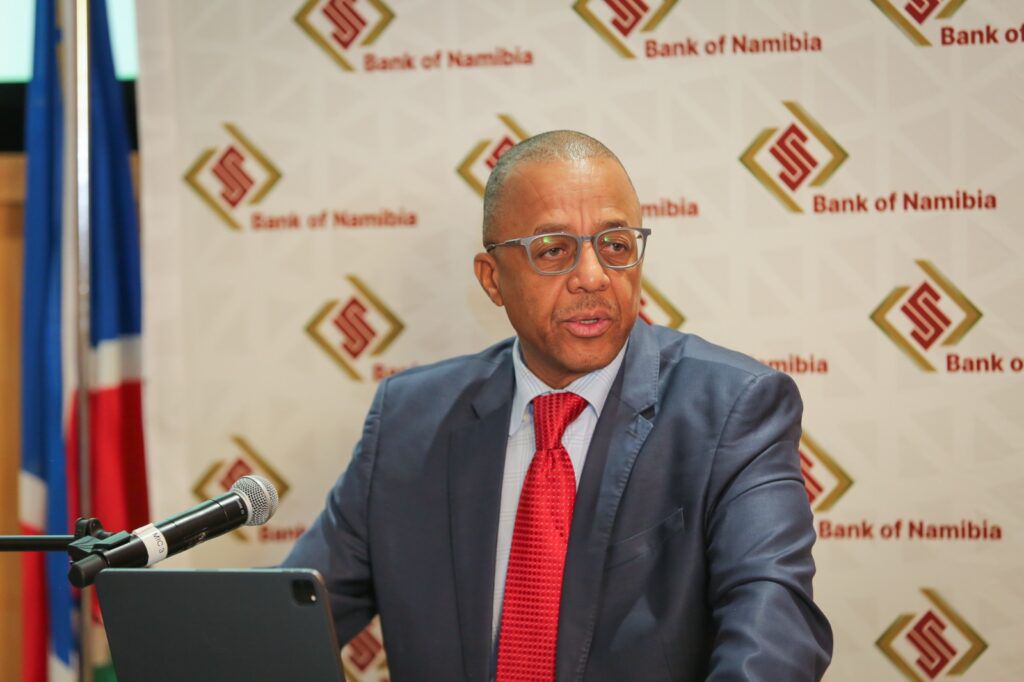
By: ThinkBusiness Africa In a move that prioritizes regional currency stability over immediate domestic easing, the Bank of Namibia (BoN) on Wednesday maintained its benchmark repo rate at 6.50%. The decision was delivered during the first Monetary Policy Committee (MPC) briefing led by the newly appointed Governor, Ebson Uanguta. While many market observers noted the significant cooling of domestic prices, the central bank opted for a “wait-and-see” approach. The hold comes despite a remarkably positive inflation report. Data from the Namibia Statistics Agency (NSA) shows that annual inflation slowed to 2.9% in January 2026, down from 3.2% in December. Marking the lowest level of inflation Namibia has seen since early 2021, comfortably hitting the lower end of the central bank’s target range. However, Governor Uanguta emphasized that domestic inflation is only one piece of the puzzle. The primary driver for the hold remains the one-to-one currency peg with the South African Rand. “The MPC remains committed to safeguarding the peg,” Uanguta stated. “Maintaining the rate at 6.50% is essential to ensure orderly capital flows and sufficient international reserves.” He said. The decision also keeps Namibia in a strategic position relative to its neighbor. With the South African Reserve Bank (SARB) holding its rate at 6.75% in January, Namibia maintains a 25-basis-point differential. Narrowing this gap further could risk capital outflows that might pressure the Namibian Dollar. For the average Namibian, the decision means: The bank noted that while inflation is low, growth remains a concern. The economy faced headwinds in late 2025 due to a “muted” performance in the diamond mining sector and the lingering effects of drought on agriculture. However, the BoN is optimistic for the remainder of 2026, forecasting a recovery in the primary industries and a gradual pickup in private sector credit extension. International reserves remain robust, standing at $3.24 billion —enough to cover 3.3 months of imports.
South Africa’s headline inflation softens to 3.5% in January as fuel prices ease
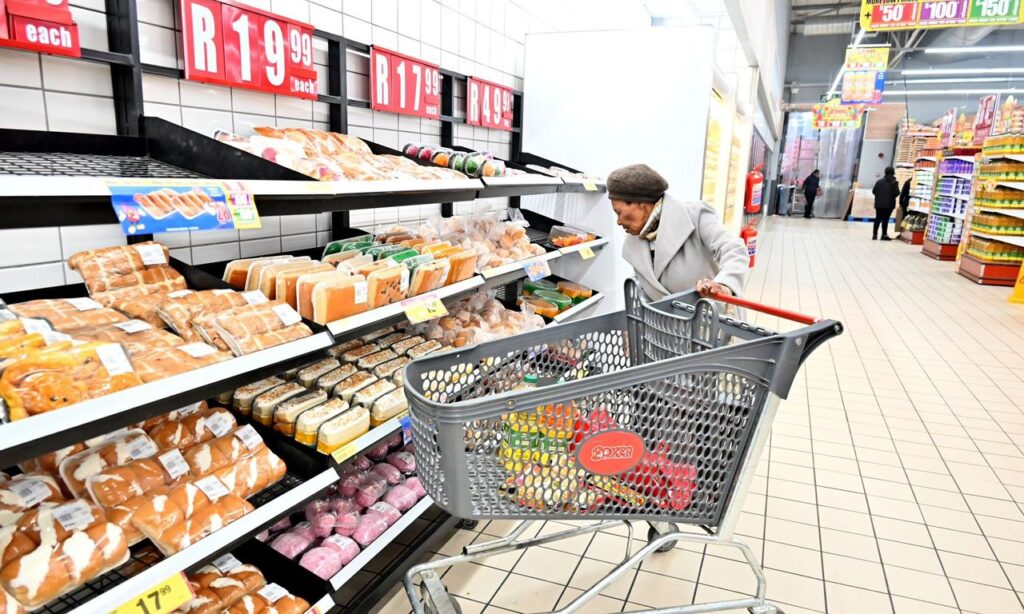
By: ThinkBusiness Africa South Africa’s annual headline consumer inflation slowed slightly to 3.5% in January 2026, down from 3.6% in December, according to the latest data released by Statistics South Africa (Stats SA) on Wednesday. The latest figure marks a return to the inflation level seen in November 2025 and remains comfortably within the South African Reserve Bank’s (SARB) target range. On a month-on-month basis, the Consumer Price Index (CPI) increased by 0.2%. The marginal decline in the headline rate was primarily driven by a drop in transport costs and stability in several food categories. Lower global oil prices and a resilient Rand contributed to a decrease in pump prices. Petrol (95 octane) fell by 66 cents per litre, while 93 octane dropped by 62 cents. According to the data, the annual rate for cereal products slowed significantly to 0.6% from 2.1% in December. Notably, white rice prices fell by 11.0%, marking nearly a year of continuous deflation for the staple. Inflation for maize meal, a key household item, saw a sharp decline from 9.5% in December to 2.6% in January. However, despite the cooling of the overall rate, consumers continue to face significant pressure at the butchery counter. Meat inflation accelerated to 13.5% in January, up from 12.6% in December. This represents the highest level for the category since late 2017. The surge was led by beef products, with beef steak, stewing beef, and beef mince all recording annual price increases of approximately 28% to 31%. Analysts attribute these spikes to localized supply constraints, including the ongoing impact of foot-and-mouth disease outbreaks. The inflation print is likely to be welcomed by the SARB’s Monetary Policy Committee (MPC). With headline inflation anchored near the mid-point of the target range and core inflation remaining stable, market expectations for a potential 25-basis-point interest rate cut in March have strengthened.
South Africa to scrap its prime lending rate with central bank policy rate
By: Chidozie Nwali A consultation paper released on Tuesday reveals the South African Reserve Bank (SARB) intention to replace the long-standing “Prime” benchmark with its own Policy Rate (Repo Rate) next year. The move aims to modernize the credit market and eliminate decades of consumer confusion regarding how loans are priced. Since 2001, the Prime rate has been mechanically fixed at exactly 350 basis points (3.5%) above the Repo rate. The SARB argues this relationship has become an “administrative hangover” that no longer reflects the actual cost of bank funding or risk. “The Prime rate has evolved into a rate that no longer represents a base rate for pricing credit,” the SARB stated in the paper. “Its role is now largely administrative and detached from its original purpose.” SARB Under the current system, a Repo rate of 6.75% automatically results in a Prime rate of 10.25%. The SARB believes this “middleman” rate obscures the transparency of lending, leading many South Africans to believe that the 3.5% gap represents guaranteed bank profit—a misconception the bank is eager to correct. For the average South African with a home loan or car finance, the shift will change the language of their debt, but not necessarily the cost. Instead of being quoted “Prime plus 1%,” new borrowers will likely see offers expressed as “Repo plus 4.5%.” By stripping away the “Prime” mask, the SARB hopes consumers will better understand the specific “risk margin” banks are charging them above the official policy rate. With over R3.2 trillion ($199.5 billion) in existing contracts linked to Prime, the SARB is proposing “safe harbor” provisions. This would ensure that existing “Prime” contracts are legally treated as “Repo + 3.5%” to avoid mass contract renegotiations. The SARB is taking a cautious approach to avoid market disruption. The transition is expected to follow the conclusion of the Jibar-to-Zaronia transition (the overhaul of the interbank rate), which is set to end in December 2026.
