
South African retail sales accelerate to 3.1% in September, outperforming expectations

By: Chidozie Nwali South African retail trade sales showed a notable acceleration in September, rising by 3.1% year-on-year (yoy), according to figures released by Statistics South Africa (Stats SA) on Wednesday. This growth rate marks a significant increase from the revised 2.2% recorded in August and signals a pocket of resilience among South African consumers despite persistent economic headwinds. The positive annual performance was largely a function of a weak base in the prior year, as evidenced by the seasonally adjusted monthly data. On a month-on-month (mom) basis, retail sales growth was flat at 0.0% in September, following a revised 1.6% decrease in the prior month; suggesting that while year-on-year growth is strong, the month-to-month momentum in consumer spending has stalled. For the third quarter of the year (July to September), retail trade sales grew by a modest 2.0% compared to the same period in the previous year. The overall year-on-year increase was primarily driven by robust sales in key categories, signaling that consumers were focusing on both essential and certain discretionary goods as they began preparations for the year-end holiday season. Conversely, some categories like Hardware, paint and glass and All other retailers registered declines, indicating selective pressure on different spending segments. Despite this positive retail data, the broader economic context suggests the South African consumer remains under considerable pressure: Headline Consumer Price Index (CPI) inflation in September stood at 5.4%, indicating that the cost of living continued to rise rapidly. This included a particularly sharp increase of 8.1% yoy in the Food and Non-Alcoholic Beverages basket, significantly eroding consumers’ purchasing power for essentials. The South African Reserve Bank (SARB) maintained its Repo Rate at 8.25% through September 2023. These elevated interest rates directly translate to higher costs for credit and mortgage payments, draining household disposable income. The national economy showed contraction, with Real GDP Growth shrinking by -0.2% quarter-on-quarter (q/q) in the third quarter of 2023. This points to a challenging environment for job creation and wage growth. Reflecting the general economic strain, Household Final Consumption Expenditure also contracted by -0.3% qoq in the third quarter, suggesting that overall spending in the economy was trending downward, making the retail sector’s resilience somewhat isolated.
South African retail sales accelerate to 3.1% in September, outperforming expectations
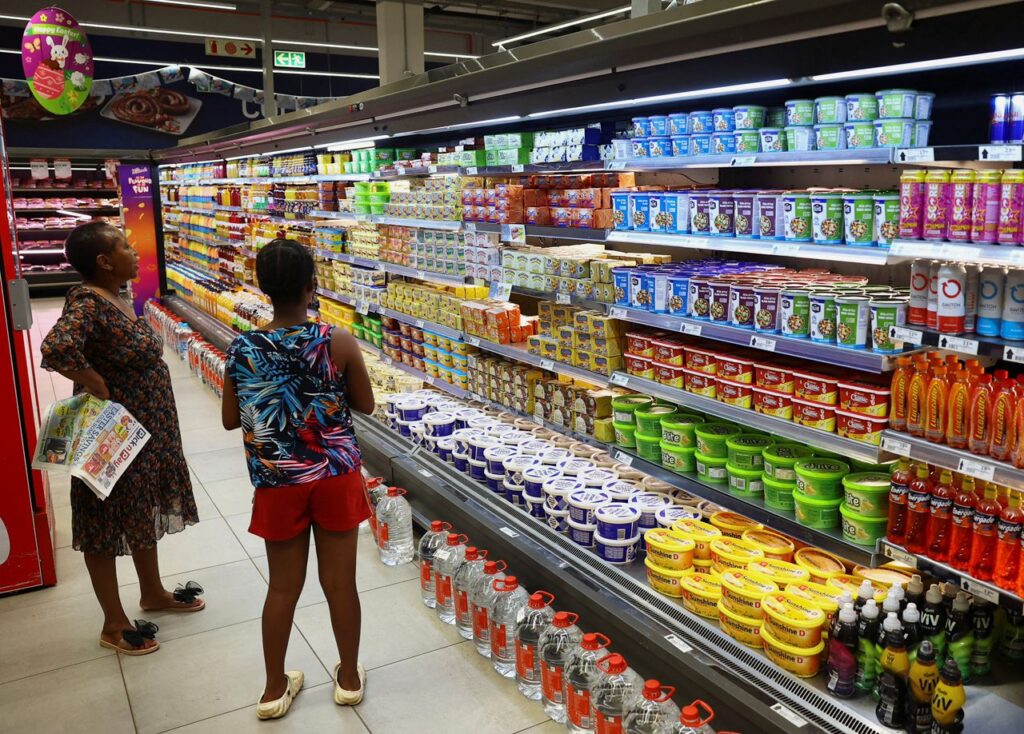
By: Chidozie Nwali South African retail trade sales showed a notable acceleration in September, rising by 3.1% year-on-year (yoy), according to figures released by Statistics South Africa (Stats SA) on Wednesday. This growth rate marks a significant increase from the revised 2.2% recorded in August and signals a pocket of resilience among South African consumers despite persistent economic headwinds. The positive annual performance was largely a function of a weak base in the prior year, as evidenced by the seasonally adjusted monthly data. On a month-on-month (mom) basis, retail sales growth was flat at 0.0% in September, following a revised 1.6% decrease in the prior month; suggesting that while year-on-year growth is strong, the month-to-month momentum in consumer spending has stalled. For the third quarter of the year (July to September), retail trade sales grew by a modest 2.0% compared to the same period in the previous year. The overall year-on-year increase was primarily driven by robust sales in key categories, signaling that consumers were focusing on both essential and certain discretionary goods as they began preparations for the year-end holiday season. Conversely, some categories like Hardware, paint and glass and All other retailers registered declines, indicating selective pressure on different spending segments. Despite this positive retail data, the broader economic context suggests the South African consumer remains under considerable pressure: Headline Consumer Price Index (CPI) inflation in September stood at 5.4%, indicating that the cost of living continued to rise rapidly. This included a particularly sharp increase of 8.1% yoy in the Food and Non-Alcoholic Beverages basket, significantly eroding consumers’ purchasing power for essentials. The South African Reserve Bank (SARB) maintained its Repo Rate at 8.25% through September 2023. These elevated interest rates directly translate to higher costs for credit and mortgage payments, draining household disposable income. The national economy showed contraction, with Real GDP Growth shrinking by -0.2% quarter-on-quarter (q/q) in the third quarter of 2023. This points to a challenging environment for job creation and wage growth. Reflecting the general economic strain, Household Final Consumption Expenditure also contracted by -0.3% qoq in the third quarter, suggesting that overall spending in the economy was trending downward, making the retail sector’s resilience somewhat isolated.
Bank of Namibia governor !Gawaxab to step down early
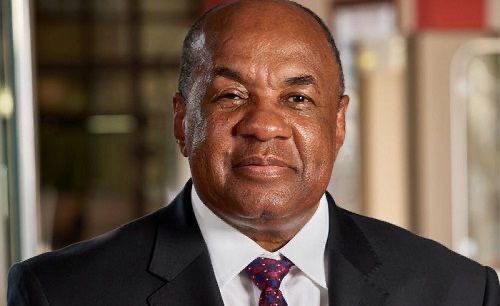
By: Chidozie Nwali The Bank of Namibia (BoN) said on Wednesday that its Governor, Dr. Johannes !Gawaxab, will step down from his position at the end of this December, a year before his full five-year term was due to expire. Dr. !Gawaxab, who first assumed the governorship on June 1, 2020, and was re-appointed for a five-year term starting in January 2022, will have served approximately five and a half years at the helm of the country’s monetary authority. The Bank of Namibia’s Board of Directors issued a statement praising Dr. !Gawaxab’s tenure, highlighting his “exemplary stewardship, bold reforms, and transformative leadership” during what they called a “challenging and consequential period.” Dr. !Gawaxab Implemented decisive monetary policy actions during the COVID-19 pandemic, such as front-loading interest rate cuts and providing regulatory relief to financial institutions, measures the Board said “prevented deeper economic contraction.” He supported the government’s efforts to fully and timely redeem the country’s $750 million Eurobond in October 2025, a critical action that bolstered international investor confidence in Namibia. BoN Maintained a disciplined monetary policy, which saw inflation contained and averaging 3.6% in the first eight months of 2025. Meanwhile, as of the time of the announcement, the specific, official reason for his early resignation remains undisclosed by the Governor or the central bank.
Insecurities stops Nigerian president from attending G20,AU–EU summit
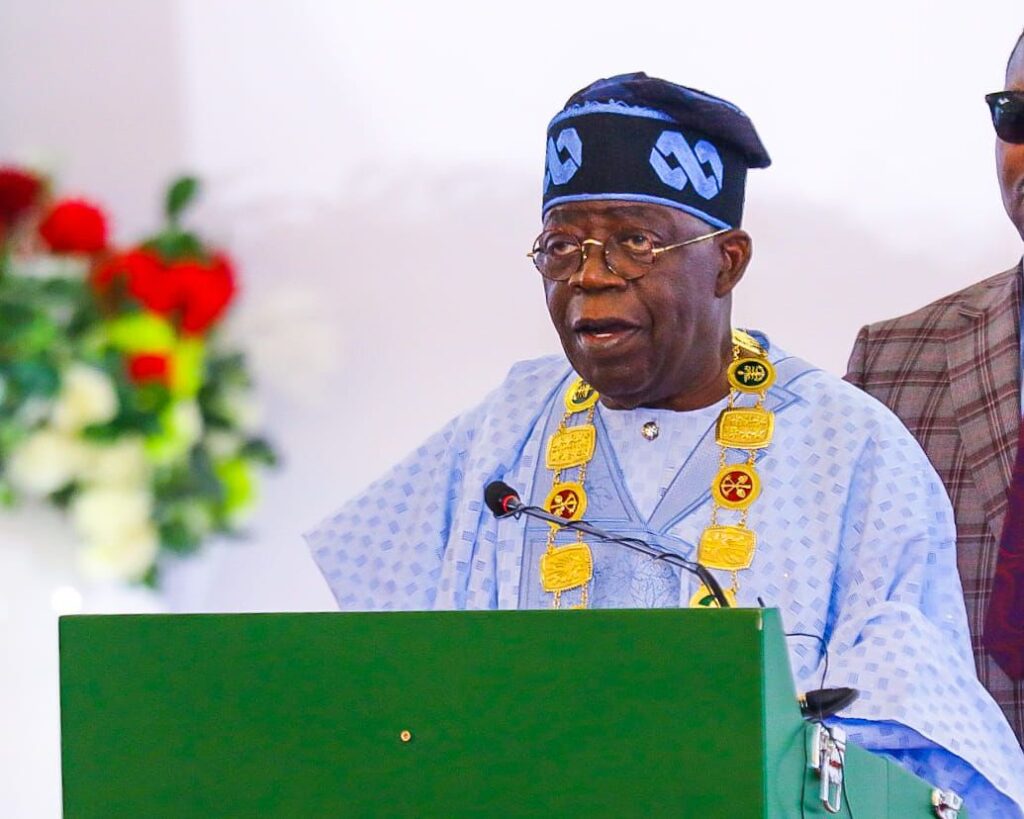
By:ThinkBusiness Africa President Bola Ahmed Tinubu has postponed his trip to the G20 leaders’ summit in South Africa later this month, and also the African Union–European Union (AU–EU) Summit in Angola following intense insecurity in Nigeria, which the president will now focus on solving. The presidency said on Wednesday. According to a statement from the Special Adviser to the President on Information and Strategy, Bayo Onanuga, the President was “deeply disturbed” by recent violent incidents and chose to suspend his departure to personally receive further security briefings and coordinate the national response. “President Bola Ahmed Tinubu has postponed his scheduled trip to Johannesburg, South Africa and Luanda, Angola, as he awaits further security briefings on the kidnapped Kebbi schoolgirls and the attack on Christ Apostolic Church worshippers in Eruku, Kwara State.” The statement read. This week 24 female students were mass abducted from the Government Girls’ Comprehensive Secondary School in Maga, Kebbi State, northern Nigeria by armed bandits. Shortly afterwards, there was a deadly bandit attack on Christian worshippers at the Christ Apostolic Church in Eruku, Ekiti Local Government Area of Kwara State. The President is now awaiting comprehensive reports from key security officials and his Vice President before finalizing his travel schedule. In response to the crises, President Tinubu has issued several strong directives, directing all security agencies to “do everything possible to rescue the 24 schoolgirls, abducted by the bandits and bring the girls back home, safe.” He ordered. Following a request from the Governor of Kwara State, the President ordered the deployment of additional military and police personnel to Eruku and the entire Ekiti Local Government Area to secure the community and pursue the attackers. The President is currently awaiting detailed reports from Vice President Kashim Shettima, who recently visited Kebbi State on his behalf to commiserate with victims and assess the situation. Furthermore, he expects urgent updates from the Nigeria Police Force and the Department of State Services (DSS) regarding the Kwara church attack. Earlier this month, the United States president Donald Trump had called on the Nigerian authorities to end the killing of Christian in the country, highlighting that Christians were being targeted and killed by Islamic terrorists. Trump, went further to threaten U.S military inversion to Nigeria, if the attacks on Christians continues, after designating Nigeria as a country of “particular concern.” No U.S officials will be attending the G20 summit, as president trump had boycotted the event earlier this month; accusing the South African government of oppressing white farmers, killing them and taking their lands. This is the first time Africa is hosting the leadership of 20 summit. President Tinubu was invited by South Africa’s President Cyril Ramaphosa and was expected to engage with leaders from the world’s 20 largest economies on issues like global economic stability, climate change, and inclusive development.
Nigeria’s external reserves hits $46.7 billion seven-year high, driven by eurobond inflow
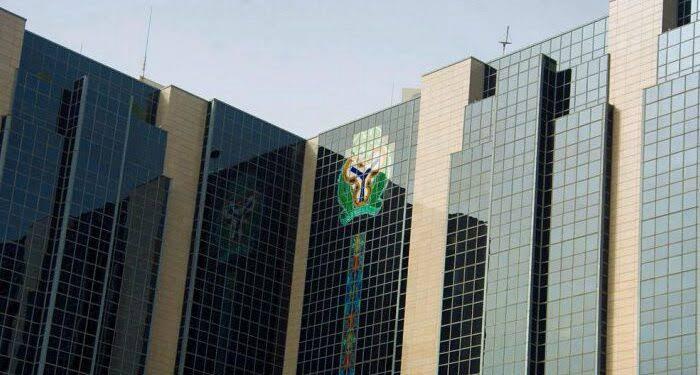
By: ThinkBusiness Africa Nigeria’s foreign exchange (FX) reserves have reached its highest level in seven years, grossing $46.7 billion in November. This significant milestone, last seen in early 2018, was driven by huge investor confidence and increased oil earnings. The Central bank of Nigeria (CBN) said on Tuesday. Speaking at the 20th anniversary of monetary policy department CBN Governor, Olayemi Cardoso, represented by the Deputy Governor in charge of Economic Policy Dr Muhammad Abdullahi, revealed the latest figures provides 10.3 months of import cover. The last time the reserves touched this level was in late March 2018, when they were reported at $46.699 billion; the reserves were $43.4 billion in October and $41 billion in August. “Foreign reserves have risen to $46.7 billion supported by sustained inflows and renewed investor participation across various asset classes,” he said. The primary catalyst for this rapid surge is the successful recent issuance of a Eurobond. In early November 2025, Nigeria returned to the international capital market, raising $2.35 billion through a long-term Eurobond offer. The successful offering—which included long 10-year and 20-year notes— were oversubscribed by over 400% demonstrating renewed investor confidence in the West African country’s economic reform agenda. The immediate inflow of this capital directly into the external reserves accounts for the bulk of the recent growth. Also, sustained positive performance in the global oil market, coupled with efforts to curb oil theft, has led to marginally improved foreign currency earnings. Nigeria’s Bonny light crude oil has been trading at $78 per barrel in recent times after suffering a $64/barrel price dip in the second quarter. Meanwhile, improved CBN policies aimed at channeling remittances through official avenues are yielding results, providing steady, albeit smaller, inflows. According to the CBN governor, the recent removal of FX market restrictions and the commitment to a unified exchange rate system have signaled a shift towards market-driven policies, attracting cautious optimism from foreign portfolio investors. A high level of external reserves is the CBN’s primary tool for defending the Naira and ensuring market liquidity. With $46.7 billion, the CBN is better equipped to intervene in the Investors’ and Exporters’ (I&E) window to smooth out volatility and meet legitimate foreign currency demand. This increased capacity is crucial for stabilizing the domestic exchange rate following the recent liberalization. International benchmarks typically recommend enough reserves to cover at least six months of imports. This current level significantly enhances Nigeria’s import cover ratio, providing a crucial buffer against external economic shocks, such as a drop in oil prices or global financial tightening. Last Friday, S&P global rating agency revised Nigeria’s sovereign credit outlook from ‘stable’ to ‘positive’ citing a sustained economic reform agenda being implemented. The Nigerian authorities confirmed, the proceeds from the Eurobond will be used to partly finance the 2025 fiscal deficit, reducing reliance on expensive domestic borrowing and freeing up capital for critical infrastructure projects. ##### Nigeria FX reserve hits $43.4 Billion, signalling strong investor confidence Nigeria’s foreign exchange (FX) reserves have surged to $43.4 billion in October from $41 billion in August, the highest level in five years, signaling a significant improvement in the nation’s economic fundamentals and a major vote of confidence from the international investor community. The latest fx reserve is enough to cover 11 months of imports, the finance ministry said in a statement on Thursday. According to a statement from the ministry of finance, the milestone was announced by the Central Bank Governor, Mr. Olayemi Cardoso, who led the Nigerian delegation to the 2025 World Bank Group (WBG) and International Monetary Fund (IMF) Annual Meetings in Washington D.C., at a high-profile Nigeria Investors Forum held on the sidelines of the event. Mr. Cardoso, alongside the Honourable Minister of State for Finance, Dr. Doris Uzoka-Anite, assured investors of the government’s unwavering commitment to advancing reforms aimed at unlocking sustainable investment opportunities and growth. He emphasized the tight collaboration between the Central Bank and the Ministry of Finance to ensure “alignment, stability, and clarity” for potential investors. The CBN Governor expressed strong optimism about Nigeria’s economic prospects, stressing that the government is focused on strengthening the economy and fostering sustainable growth. Further highlighting the success of the reforms in attracting capital, the CBN Deputy Governor, Mohammed Abdullahi, elaborated on the significant improvements in foreign exchange (FX) inflows. He noted that the monthly turnover in the forex market has risen by a remarkable 56.4% to $8.6 billion in 2025. “Over the last two years, we’ve really focused a lot on improving FX flows into the economy, and we’ve seen a significant jump. Average net flows between January 2023 and July have doubled,” Abdullahi stated. The government’s ambitious economic vision was outlined by Sanyade Okoli, the Special Adviser to the President on Finance and the Economy. She reiterated the Federal Government’s commitment to achieving a 7% economic growth rate by the 2027-2028 fiscal year through strategic diversification and massive infrastructure investment. For the near term, Okoli stated that the government is forecasting 4% growth in 2025, which is projected to rise to approximately 5% next year, following a recent upward revision of Nigeria’s forecast by the IMF from 3.5% in July to 3.9% in its October latest report. The Special Adviser underscored the declining reliance on hydrocarbons, noting that Nigeria’s dependence on oil for total exports has reduced to about 57.5% in the first half of this year compared to the previous year. Furthermore, oil now accounts for only about 4% of GDP, a drop from 8% in 2021, illustrating the progress in economic diversification.
Global cloudflare outage cripples major websites, disrupts access across Nigeria

By: ThinkBusiness Africa Internet infrastructure giant Cloudflare experienced a significant global outage on Tuesday, sending shockwaves across the digital world and causing widespread accessibility issues for major platforms, including those heavily relied upon by users in Nigeria. The disruption was characterized by widespread “HTTP 500 Internal Server Errors.” Cloudflare, a key provider of Content Delivery Network (CDN), security, and DDoS protection services, confirmed the issue, which began in the morning hours and quickly affected thousands of customer websites across North America, Europe, Asia, and Africa. According to updates from Cloudflare’s status page, the company began investigating an “internal service degradation” that impacted multiple customers. The company later confirmed that the issue was identified and a fix was being implemented. Global access to X (formerly Twitter) was heavily disrupted, with users unable to load timelines or post content. ChatGPT and other platforms from OpenAI became largely inaccessible, often displaying error messages. Spotify, Canva, Shopify, and the online game League of Legends were among the dozens of popular services that reported significant connection failures. The global outage had a palpable effect on the Nigerian digital ecosystem, disrupting everything from financial services to news consumption. As Cloudflare sits in front of numerous local websites to enhance speed and security, the service failure translated directly into downtime and painfully slow loading times for many Nigerian platforms. Users attempting to access local news media outlets, e-commerce portals, and even some government services that utilize Cloudflare’s network infrastructure reported experiencing the same disruptive 500 error messages. The inaccessibility of major global platforms like X (twitter) and ChatGPT further hampered professional and personal communication across the country. Cloudflare has been providing real-time updates, indicating that services are recovering, although customers may still experience “higher-than-normal error rates” as remediation efforts continue.
Ghana’s new Chief Justice Sworn-In after predecessor’s controversial dismissal
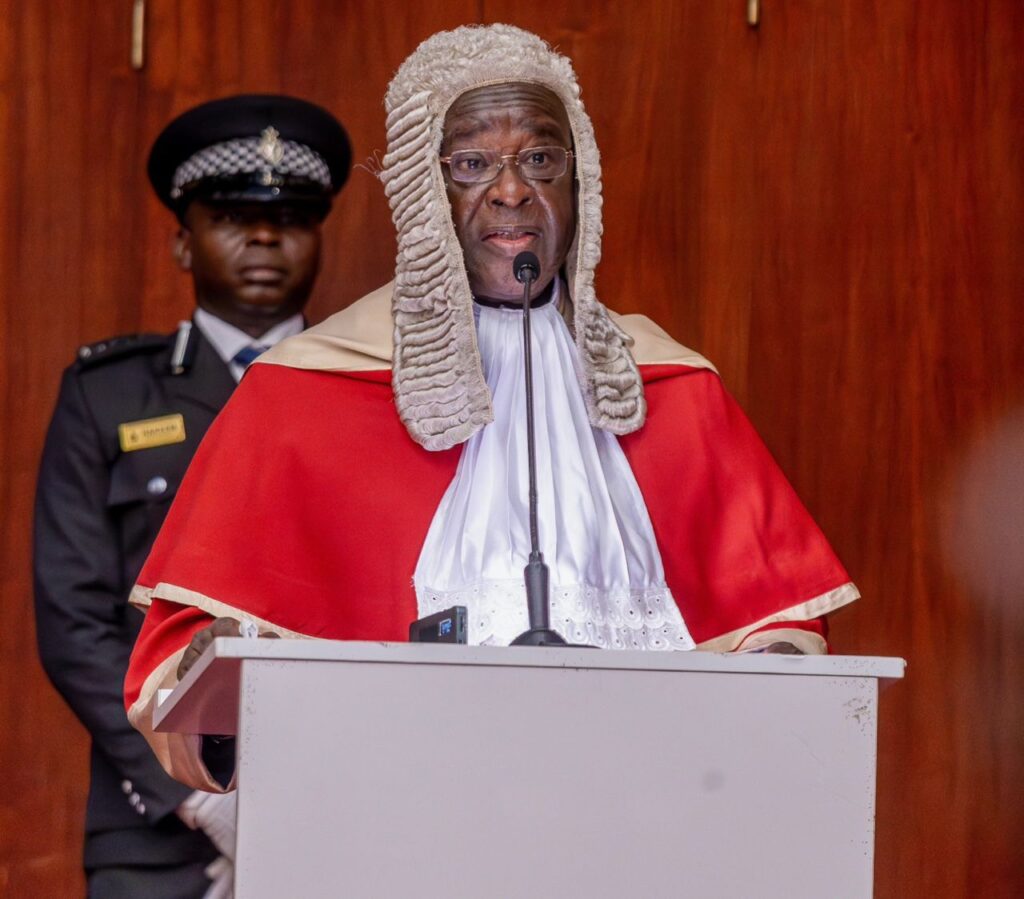
By: Chidozie Nwali Justice Paul Kwadwo Baffoe-Bonnie was officially sworn in as the substantive Chief Justice of the The Republic of Ghana on Monday, at the seat of the Presidency. The event, presided over by President John Dramani Mahama, marks a new chapter for the judiciary after a period of unprecedented transition following the controversial removal of the immediate past Chief Justice, Her Ladyship Justice Gertrude Torkornoo. President Manama urged Baffoe-Bonnie to prioritize the reduction of case backlogs across the country through innovative case management and the expanded use of technology. The President described the ceremony as more than a symbolic change of guard, noting that it “reaffirms our collective dedication to constitutionalism, the rule of law, and the independence of the judiciary as an equal branch of government.” He emphasized. Justice Baffoe-Bonnie’s ascension to the top judicial post comes after he served as the Acting Chief Justice since April 22, 2025. He assumed this role following the suspension and subsequent removal of his predecessor, Justice Gertrude Torkornoo. Justice Torkornoo was initially suspended in April 2025, following the submission of multiple petitions to the Presidency calling for her removal. President Mahama settled up a committee to inquire into the petitions. The committee concluded its inquiry and found that the grounds of “stated misbehaviour” had been established against the then-Chief Justice. President Mahama was constitutionally bound by the committee’s recommendation and removed Justice Torkornoo from office in September 2025. The entire process generated considerable political tension, with the former Chief Justice publicly denying the allegations and describing the removal process as “cruel” and politically motivated. In his acceptance speech, Chief Justice Baffoe-Bonnie pledged to confront the issues of court delays and backlogs head-on. Crucially, he vowed to uphold the rule of law, respect the separation of powers, and protect the independence of the Constitution and the judiciary.
Air Senegal commits to nine Boeing 737 MAX jets in historic fleet deal

By: ThinkBusiness Africa Air Senegal, the flag carrier of Senegal, said on Monday it will order nine Boeing 737 MAX airplanes, marking the airline’s largest-ever fleet purchase and its first direct order from Boeing in over two decades. The agreement for the 737-8 model jets is central to the West African carrier’s aggressive strategy to strengthen and modernize its fleet as it seeks to expand its footprint across regional and intercontinental networks. Air Senegal plans to deploy the new 737 MAX aircraft to support the expansion of its network in Europe and to launch new direct routes from its hub in Dakar to destinations in the Middle East and the Americas. The 737 MAX’s capabilities, including its range and efficiency, are seen as key enablers for this growth. For Boeing, this order is an important win in the competitive African market, which its 2025 Commercial Market Outlook forecasts will require more than 1,200 new airplanes over the next two decades, with single-aisle jets accounting for over 70% of those deliveries. This commitment for the 737 MAX marks a significant moment, as it is Air Senegal’s first Boeing order since the former national airline, Air Senegal International, last purchased a Boeing jet in 2004. The finalization of this commitment, along with details on the delivery schedule and financing, is expected in the coming months.
Nigeria’s inflation eases to 16.05% in October, driven by food price drop

By: Chidozie Nwali The National Bureau of Statistics (NBS) has announced a significant moderation in Nigeria’s headline inflation, which eased to 16.05% year-on-year (YoY) in October on Wednesday, marking a notable decline from the 18.02% recorded in September, and continuing its seventh month’s disinflationary trend. Food inflation eased to 13.12% in October, from 16.87% recorded in September and 21.87% in August helping pull the overall rate down, even as month-on-month (MoM) headline inflation saw an acceleration. The Headline Consumer Price Index (CPI), which measures the average change over time in prices of goods and services consumed by people, posted a YoY rate of 16.05%. This rate is a continuation of the downward trend observed in previous months, suggesting a gradual stabilization in consumer prices when compared to the corresponding month last year. However, the month-on-month change in the Headline CPI accelerated to 0.93% in October 2025, up from 0.72% in September 2025. This suggests that while annual price growth is slowing, the rate of new price increases between September and October was actually faster. Crucially, the Food Index recorded a deflation of -0.37% in October, down from -1.57% in September. This is a positive development, indicating an average decrease in food prices between September and October, likely bolstered by the harvest season. The All Items Less Farm Produce and Energy (Core) Index, a measure of underlying inflation that excludes volatile food and energy items, eased to 18.69%. In October from 19.53% September. MoM Core Index remained steady at 1.42%, unchanged from the rate recorded in September 2025. This sustained monthly increase suggests that factors like import costs, wages, and other operating expenses continue to drive up the prices of manufactured goods and services. NBS data reveals that the rise in rural prices is still exceeding that of urban areas on an annual basis, although urban areas saw a sharper monthly price increase. The Rural Index recorded a slightly higher YoY inflation rate of 15.86% compared to the Urban Index at 15.65%, underscoring the enduring impact of supply chain issues and security challenges on prices outside major cities. However, the month-on-month surge in the Urban Index from 0.74% to 1.14% suggests a rapid adjustment in city prices during October. The mixed October 2025 report presents a challenge for monetary authorities. The decline in the annual headline rate to 16.05% provides positive momentum, especially the deflationary trend in the food index. However, the acceleration in the MoM headline rate (0.93%) and the high, sustained MoM increase in the Core Index (1.42%) point to persistent structural and imported inflation. In October the Nigerian Naira experienced a high level of stability, it traded below N1500/$. Olayemi Cardoso, governor of the central bank of Nigeria (CBN) , highlighted that the bank targets single digit inflation by the first quarter of next year. The apex bank monetary committee for the first time in over 5 years had cut its monetary policy rate by 50 basis points in its September, from 27.5% to 27% – citing months of “disinflation” and the need to ease rates to allow more consumer spending. Two months after the rate cuts inflation has continued to ease giving room for further cuts in the coming policy meeting.
How does SEC T+2 compare with Africa and the world?
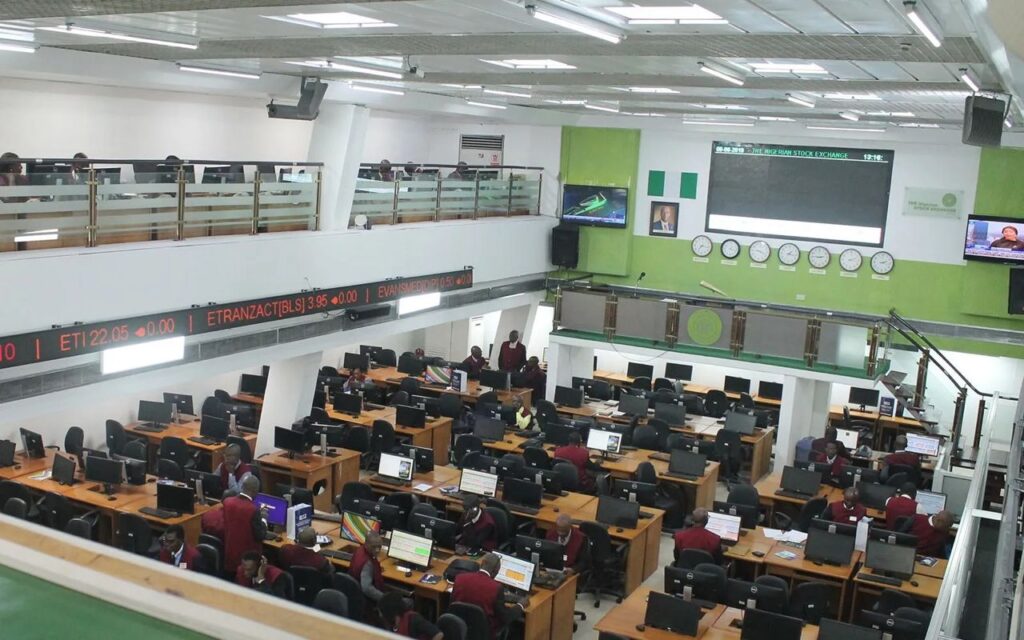
By: ThinkBusiness Africa Nigeria is positioning itself as one of the most operationally efficient capital markets in sub-Saharan Africa, following the country’s recent implementation of 2 business day (T+2) settlement on equities trades, aligning itself with global standards, and other African counterparts who have recently upgraded from the historical 3 – 5 business days (T+3 & T+5) settlement circle. African stock exchanges are progressively adopting shorter settlement cycles to align with international best practices, reduce risk, and improve liquidity. Recently, the Security and Exchange Commission (SEC) announced that from November 28, investors will get their funds or securities faster (under T+2), allowing them to reinvest capital more quickly, which will boost overall market activity and liquidity. Nigeria stock exchange (NGX) isn’t the first African exchange to implement T+2 settlement circle, Rwanda stock exchange (RSE) and Egypt stock exchange (EGX) have been in T+2 for some time now. The country’s commitment solidifies T+2 as the modern standard for major African financial centres due to the size of the NGX with a capitalization of $64.8 Billion, second largest in Africa; only behind Johannesburg stock exchange in South Africa with $1.3 trillion capitalization. “The Commission expects this migration to have a significant impact on the profile of the Nigerian Capital market. SEC emphasized.” Settlement cycle In different countries exchanges across the globe. Country Settlement Cycle USA (New York stock exchange) T+1 (Trade date + 1 business day) European Union (27 countries) (Euronext) T+2 (Trade date + 2 business days) South Africa (Johannesburg stock exchange) T+3 (Trade date + 3 business days) for equities on-market. Ghana stock exchange (GSE) T+3 (Trade date + 3 business days) for equities on-market Egyptian stock exchange (EGX) T+2 (Trade date + 2 business days) Kenya (Nairobi security exchange) T+3 (Trade date + 3 business days) for equities on-market. Uganda security exchange (USE) T+3 (Trade date + 3 business days) for equities on-market. Rwanda stock exchange (RSE) T+2 (Trade date + 2 business days) T+2 means equities transactions will take trade date + 2 business; while T+3 means transactions will take less time trade date + 3 business days to settle. NGX’s recent move to a shorter settlement cycle will not only reduce counterparty risk, and improve market liquidity; Also it puts immense pressure on remaining T+3 markets (like Kenya, Ghana, and Uganda) to accelerate their own transition plans to avoid being seen as lagging.