Clean energy cash to developing countries surges 78%, but not evenly distributed – UN
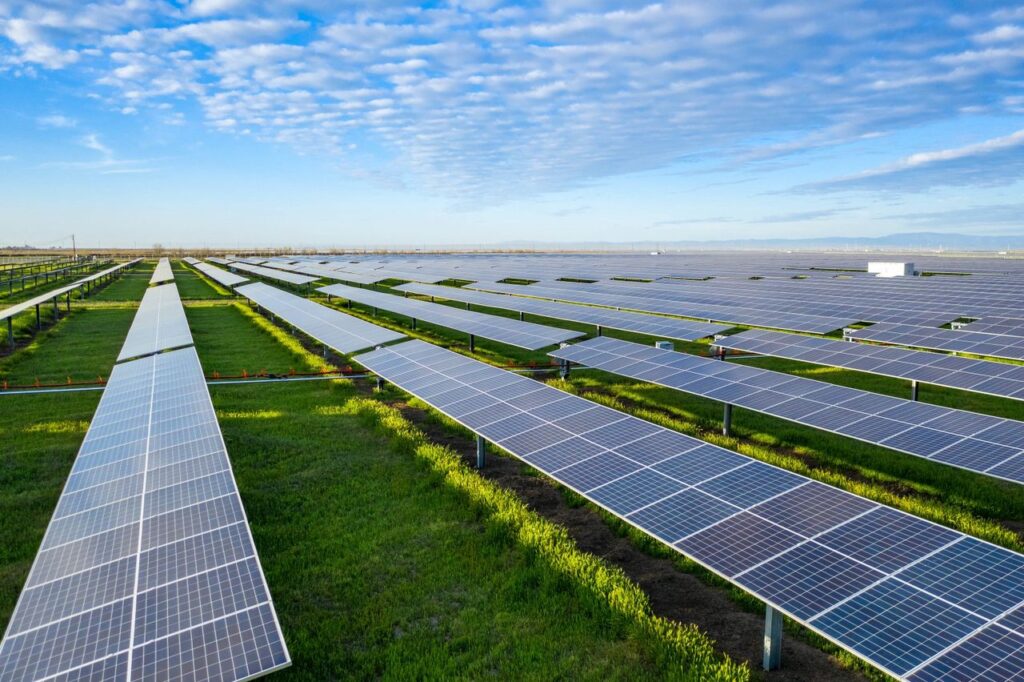
By: ThinkBusiness Africa Global financial flows dedicated to clean energy projects in developing countries have surged by nearly 78%, reaching a total of $21.57 billion in 2025 from $12 billion in 2015. The United Nations (UN) said on Tuesday in its newly released Yearbook of Global Climate Action 2025. The report, published by the UN flags Framework Convention on Climate Change (UNFCCC) under the title “Marrakech Partnership for Global Climate Action,” celebrates the dramatic escalation of renewable investment but issues a stark warning: the vast majority of this capital is concentrated in a few nations, risking the global goal of universal energy access by 2030. “Universal access by 2030 requires not just technology deployment but equitable distribution of capital and capacity.” UN warns The UNFCCC data shows this substantial flow—a rise from $12.14 billion in 2015—is underpinned by a fundamental shift in global investment economics. A key finding of the Yearbook is the dramatic reversal in investment ratio – clean energy to fossil fuel investment reached 10:1 in 2024, increasing fivefold from 2:1 in 2015. This demonstrates renewables have transformed from subsidy-dependent to economically preferred. This ratio suggests that the market logic for renewables—driven by falling technology costs—is firmly established, confirming that the clean energy transition is now the dominant global investment story. Despite this record-breaking investment total, the UN body cautioned that the benefits are not being shared equitably, presenting a major fault line in global climate action. This geographic imbalance is most acute in Africa, where financial conditions severely hinder infrastructure buildout: Africa is projected to attract only about 3% of the world’s total energy investment in 2025, despite being home to 20% of the global population. High interest rates and currency depreciation mean that debt servicing costs on the continent are forecast to absorb the equivalent of 85% of total energy investment (which is estimated to be around $105 billion) in 2025, severely limiting the capacity to launch new projects. Even within Africa, the investment is unevenly distributed, with North and South Africa accounting for the majority of new capacity and investment, leaving countries in Sub-Saharan Africa with the largest clean energy deficits lagging significantly behind. The total external debt for the African continent as a whole reached approximately $1.2 trillion in 2023, with a significant portion of this owed by sub-Saharan African nations. Total external debt service for African countries is projected to reach $89 billion in 2025, significant increase from $60 billion in 2010. The report noted that while 95% of countries are now engaging non-Party stakeholders in implementing their Nationally Determined Contributions (NDCs), financial and capacity gaps persist. To address this, global efforts must rapidly scale up the mobilization of climate finance to reach the newly agreed target of $1.3 trillion per year by 2035 for developing countries.
Afreximbank extends $36.4M funding to Egyptian firm SAMCO for Uganda’s Olympic stadium
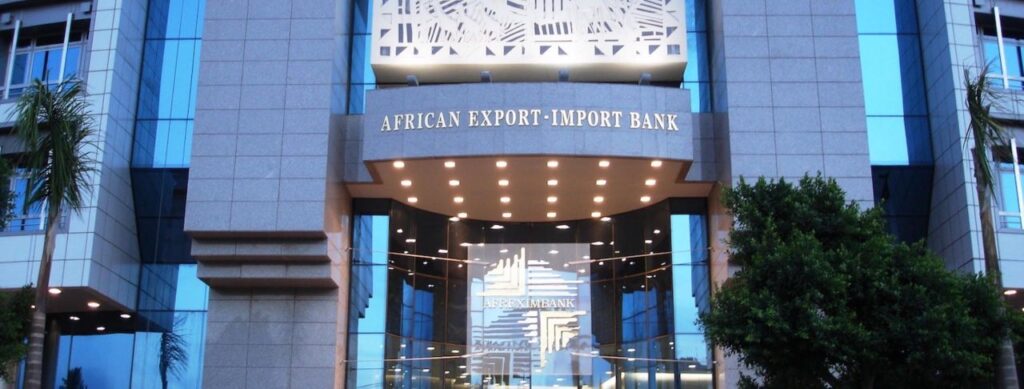
By: ThinkBusiness Africa The African Export-Import Bank (Afreximbank) has on Monday finalized a significant contract financing agreement, extending a US$36.4 million facility to Egypt’s SAMCO-National Construction Company (SAMCO), for the design, construction, and development of the new Akii Bua Olympic Stadium in Lira, Uganda, a crucial venue for the upcoming 2027 Africa Cup of Nations (AFCON). The Akii Bua Olympic Stadium is a key component of Uganda’s preparation to co-host the prestigious continental tournament alongside its East African neighbours, Kenya and Tanzania, in a joint bid that marks the return of AFCON to the region for the first time since 1976. According to Afreximbank the US$36.4-million facility was granted under Afreximbank’s Engineering, Procurement and Construction (EPC) programme. This initiative is specifically designed to empower African EPC companies to successfully bid for and execute large-scale infrastructure contracts across the continent. SAMCO will utilize the funds to acquire essential components and support the overall execution of the state-of-the-art stadium project. Mrs. Kanayo Awani, Executive Vice President, Intra-African Trade and Export Development, said the bank’s strategy is to foster local development and economic advancement through major infrastructure projects. “We are pleased to support an African EPC company as part of Afreximbank’s EPC initiative, and to finance the construction of a state-of-the-art stadium, further aligning with our creative/sports strategy in one of our member countries (Uganda),” Mrs. Awani stated. “Through this initiative, we aim to foster sustainable economic growth, enhance regional infrastructure and facilitate the hosting of CAF and FIFA-approved sports events that will contribute to Uganda’s social and economic advancement.” She said. The development of the Akii Bua Olympic Stadium is anticipated to deliver significant multifaceted benefits. Beyond promoting sports in Uganda, the project is expected to engender regional integration and tourism across East Africa. It will also directly strengthen the Ugandan government’s sports and infrastructure agenda, enhancing the country’s capacity to host major continental and international events. For the Egyptian contractor, SAMCO, the financing facility is instrumental in consolidating its position as a leading African firm capable of executing large-scale, government-backed projects across the continent. The $36.4 million facility for the Akii Bua Stadium is not just project financing; it is a direct action supporting Afreximbank’s overarching mandate to stimulate intra-African trade and build self-reliance across the continent. Historically, large-scale African infrastructure projects are often awarded to non-African firms, leading to capital flight and limited capacity development in local economies.
Nigeria targets 4,104MW capacity boost in electricity power initiative
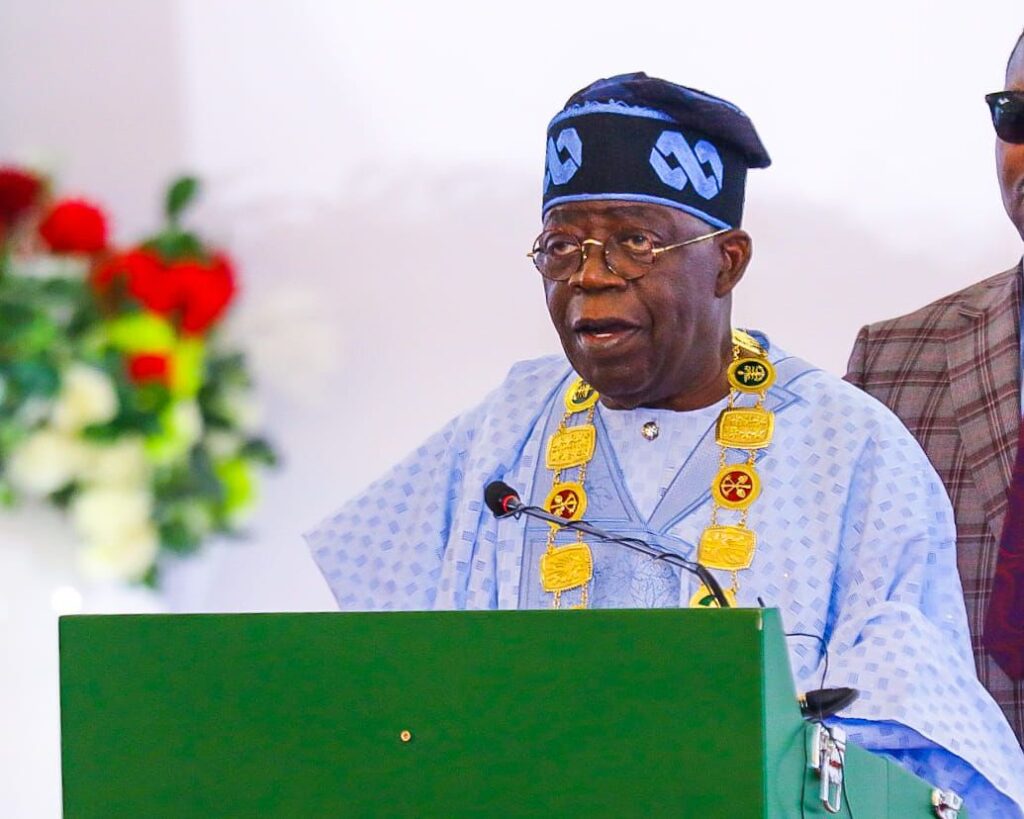
By: ThinkBusiness Africa The Nigerian government, through the Presidential Power Initiative (PPI) project, is preparing for a massive infrastructure expansion targeting a cumulative 4,104MW capacity addition in Phase One, Batch Two of the project. President Bola Tinubu, meeting with a delegation from Siemens Energy, the technical contractor, assured the nation of the government’s commitment, emphasising that power sector revitalisation is central to national economic recovery and improving the livelihoods of citizens. According to a statement from the presidency on Monday, the President told Siemens Energy delegation, led by Dietmar Siersdorfer, Managing Director of Middle East and Africa, at the State House in Abuja, that “There is no industrial growth or economic development without power,” asserting, “We are taking it very seriously.” He said. He directed the immediate expansion of major transformer substations from two to three phases to significantly boost the country’s power supply. The Minister of Power, Adebayo Adelabu, noted the significant milestones achieved in the sector, including the decentralisation and liberalisation of the power industry. These reforms were anchored by the signing of the Electricity Act 2023 and the establishment of a National Integrated Electricity Policy, which has already attracted over $2 billion in fresh investments and led to the activation of fifteen state electricity markets. Minister Adelabu confirmed the substantial progress made under the Pilot phase (Phase Zero) of the PPI, noting “significant infrastructure upgrades and capacity enhancements that are already impacting grid stability and reliability.” Siemens Energy has successfully delivered and commissioned including: According to the presidency the Federal Executive Council approved the Engineering, Procurement, and Construction (EPC) contract for Phase One, Batch One of the PPI in December 2024. The scope covers the upgrade, installation, and commissioning of five key substations. The minister said that civil works and resource mobilisation have been finalised across all five sites, with concurrent manufacturing of the required equipment ongoing. Two of the five substations are targeted for completion by the end of 2026. Nigeria possesses a total installed generation capacity of approximately 12.5 GW (GigaWatts) as of 2024. However, the operational reality is drastically different as the actual power available for transmission typically hovers between 3,000 megawatts (MW) and 5,000 MW. In the first quarter of 2024, the overall Plant Availability Factor for grid-connected plants was a critically low 33.53%. This means that more than 66% of the installed capacity was unavailable due to various factors, including maintenance issues, mechanical failure, and gas shortages. Nigeria’s electricity consumption is about 142 kilowatt-hour (kWh) per person annually, which is extremely low compared to the global average of 3,781 kWh per person. This lack of power supply severely limits industrial and economic activity. According to the World Bank, about 85 million Nigerians (43% of the population) lack access to grid electricity, representing the largest electricity access deficit globally. Beyond the initial batch, preparations are advancing for Phase One, Batch Two of the PPI, which comprises a total of six (6) Brownfield and ten (10) Greenfield substations with a formidable cumulative impact of 4,104MW capacity addition. The Minister of Finance and Coordinating Minister of the Economy, Wale Edun, highlighted the completion of the PPI would enhance Nigeria’s ease of doing business, create more jobs for the youth, and reduce poverty. the Presidential Power Initiative is a step toward infrastructure upgrade — with the planned 4,104MW capacity boost, systemic issues like collection losses, gas supply, and fragile infrastructure must be resolved to translate increased capacity into reliable power for the majority of Nigerians.
Government program iDICE begins investments in Nigerian tech and creative sectors
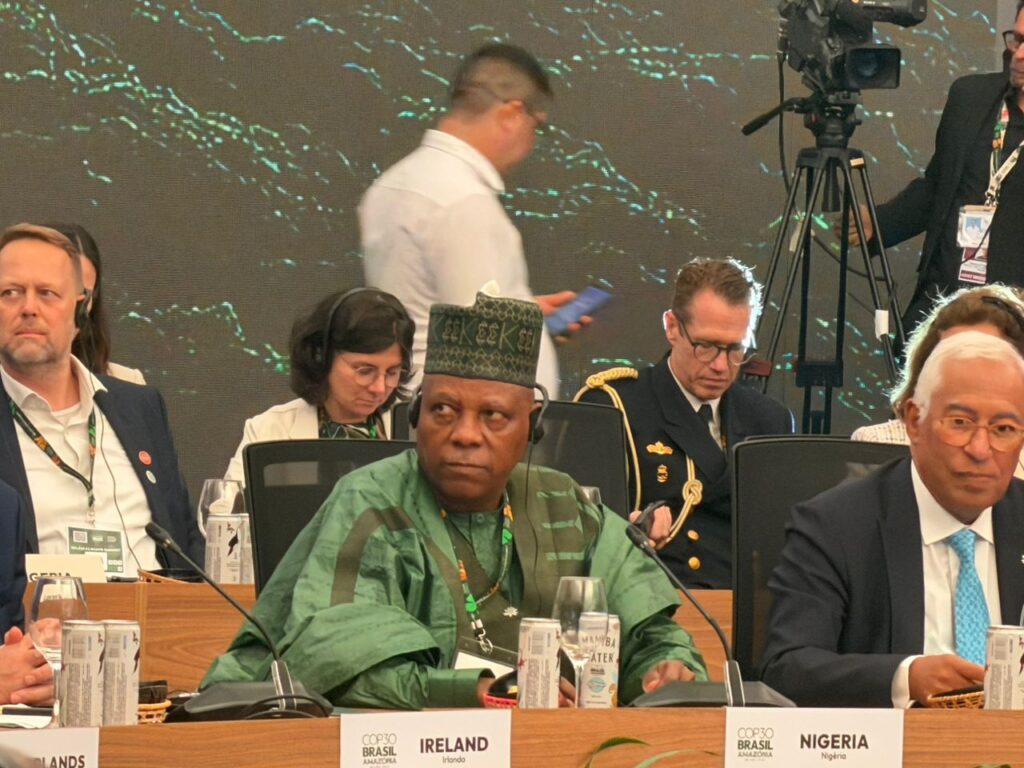
By: ThinkBusiness Africa Nigerian vice president, Kashim Shettima, said the government through its Investment in Digital and Creative Enterprises (iDICE) programme, has officially commenced its investment activities and announced on Monday its ambitious plans to launch two additional investment funds in 2026 to further bolster Nigerian start-ups in the technology and creative sectors. iDICE programme has successfully achieved a $64 million first-round close, based on commitments from institutional investors, and is targeting a final close of $75 million. iDICE joins other prominent Limited Partners (LPs) in the fund, including the International Finance Corporation (IFC), Standard Bank of South Africa, and British International Investment (BII). According to the vice president Ventures Platform – a prominent pan-African seed-stage fund. was officially appointed as the Fund Manager for the technology component of iDICE in August 2025, following a rigorous competitive bidding process supervised by the funding partners. Vice President Shettima, Chair of the iDICE Steering Committee, described the commencement of investing as an “exciting milestone and a leap forward in the determined efforts of the Government of Nigeria… to deliver on our vision of unleashing the full potential of Nigeria’s young people, in line with the Renewed Hope agenda.” He said. Kola Aina, Founding Partner at Ventures Platform, expressed his delight in the selection, stating, “We are delighted to have been selected as the iDICE Technology Fund Manager, partnering with the Federal Government of Nigeria and other key stakeholders to achieve our collective goal of supporting Nigeria’s young entrepreneurs and innovators to bring their innovative ideas and solutions to life—creating deep value and transforming the country’s economy.” Since its inception in 2016, Ventures Platform has invested in over 90 start-ups across Africa, including industry leaders such as Paystack, Piggyvest, Moniepoint, and LemFi. iDICE revealed plans to launch two additional funds in 2026, separate from its current technology-focused investments: The iDICE programme is a substantial $617 million initiative launched by the Federal Government to support young Nigerians aged 15-35 with skills and resources in the technology and creative economy sectors. The digital economy has seen explosive growth, with revenues projected to reach US$18.30 billion by 2026. The technology sector is a vital component of the national economy, contributing a massive 19.78% to Nigeria’s real Gross Domestic Product (GDP) in the second quarter of 2024, according to Nigeria bureau of statistics (NBS). Nigeria is the number one destination in Africa for start-up investment. The ecosystem attracted over $3 billion by 2025, with the presence of several globally recognized companies. The west African nation is home to 5 out of the 7 tech unicorns in Africa, including giants like: Flutterwave, OPay, Moniepoint (achieved unicorn status with a $1 billion valuation), Paystack, and Interswitch
Egypt’s inflation rebounds to 12.5% in October, ending four-month easing trend
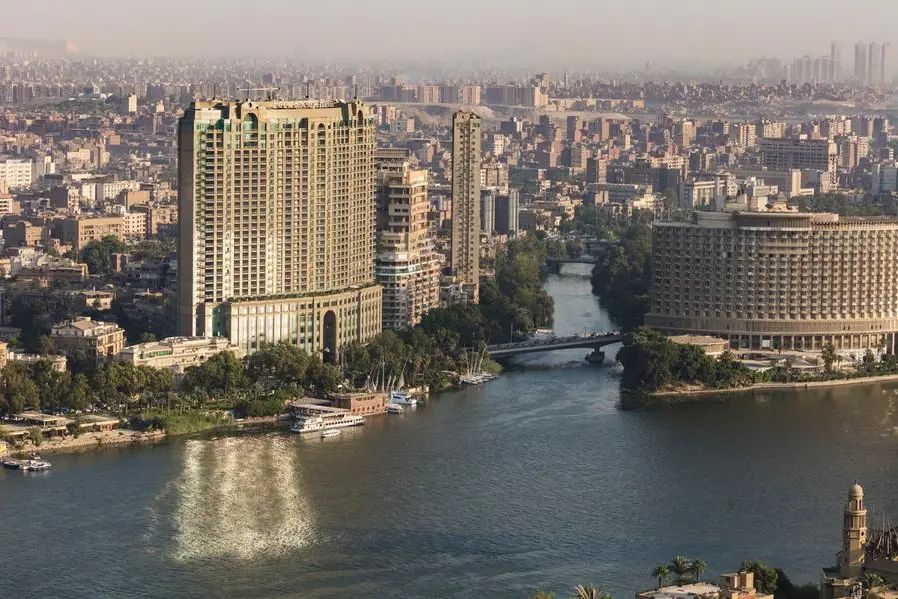
By: ThinkBusiness Africa Annual consumer price inflation (CPI) in the North African nation unexpectedly accelerated to 12.5% in October, up from 11.7% in September, according to data released Monday by the Central Agency for Public Mobilization and Statistics (CAPMAS). The increase halts a four-month streak of moderating prices and places fresh pressure on household budgets and the Central Bank of Egypt’s (CBE) monetary policy. The acceleration was primarily driven by increases in two major, non-core components of the CPI basket: fuel and housing. A critical factor was the government’s decision in mid-October to raise domestic retail fuel prices, marking the second such adjustment in 2025. This increase, which averaged around 13% for key products, immediately fed into the transportation and distribution sectors. The price movement drove a sharp increase in the CPI’s transport component, reflecting the increased cost of moving goods and people across the economy. Housing and utilities costs continued their upward trajectory. A new law that allows landlords greater flexibility in raising monthly rents is filtering through the economy, significantly contributing to the inflation rate given the high weight of housing in the overall CPI. The CAPMAS data also indicated a substantial rise in monthly food costs, a crucial category affecting lower-income segments. The monthly CPI rose by 1.8% in October, compared to a 0.4% rise in August, indicating renewed monthly price momentum. The acceleration in inflation complicates the Central Bank of Egypt’s (CBE) strategy. The CBE has recently adopted a more accommodative stance, having implemented several interest rate cuts throughout 2025 (including a 100-basis-point reduction in early October and 200 basis point reduction in August), based on expectations of a sustained disinflationary path. The target for annual headline inflation is 7% on average in fourth quarter (Q4) 2026. The October data introduces significant “upside risks” to this forecast, likely forcing the Monetary Policy Committee (MPC) to reassess the speed and scope of future rate cuts. The inflation rebound directly impacts the purchasing power of Egyptian households. With administered prices, such as fuel and housing, serving as key drivers, the rise is felt across essential goods and services. While the current 12.5% rate remains well below the peak of 38% recorded in September 2023, the reversal of the disinflation trend is a clear sign that price pressures remain persistent and broad-based.
Crude oil rallies on optimism for swift end to US government shutdown
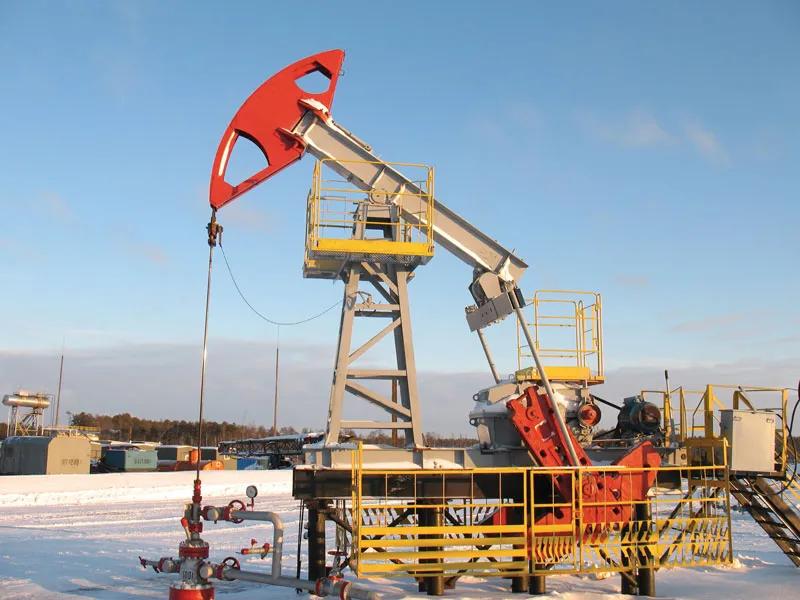
By: ThinkBusiness Africa Crude oil prices experienced a rebound on Monday, driven by growing market optimism that the 40 days U.S. government shutdown is nearing an end. The potential for a quick resolution in Washington boosted expectations for a recovery in U.S. economic activity and, critically for the energy sector, an uptick in fuel demand. Both global benchmarks, Brent and West Texas Intermediate (WTI), saw significant gains, reversing some of the losses accrued over the previous week: The market consensus attributes the rise directly to political developments in the U.S. capital, where the Senate is reported to have cleared a key procedural hurdle toward voting on a measure to fully reopen the federal government. The United States is the world’s largest oil consumer, and a prolonged government shutdown introduces significant uncertainty by suspending hundreds of thousands of federal workers and slowing crucial economic activity. Last week, both Brent and WTI had recorded their second consecutive weekly decline due to fears of an emerging supply glut. While the Organization of the Petroleum Exporting Countries and its allies (OPEC+) agreed to pause any further significant output increases for the coming quarter, they had sanctioned a slight boost in the immediate term, adding 137,000 barrels per day in November and December to an already well-supplied market. Market participants will closely monitor Washington for final legislative action this week, which is expected to cement the demand rebound and potentially push WTI prices toward the $62 per barrel range, according to technical analysts.
Protests disrupt opening of Nigeria’s Museum of West African art amid ownership dispute
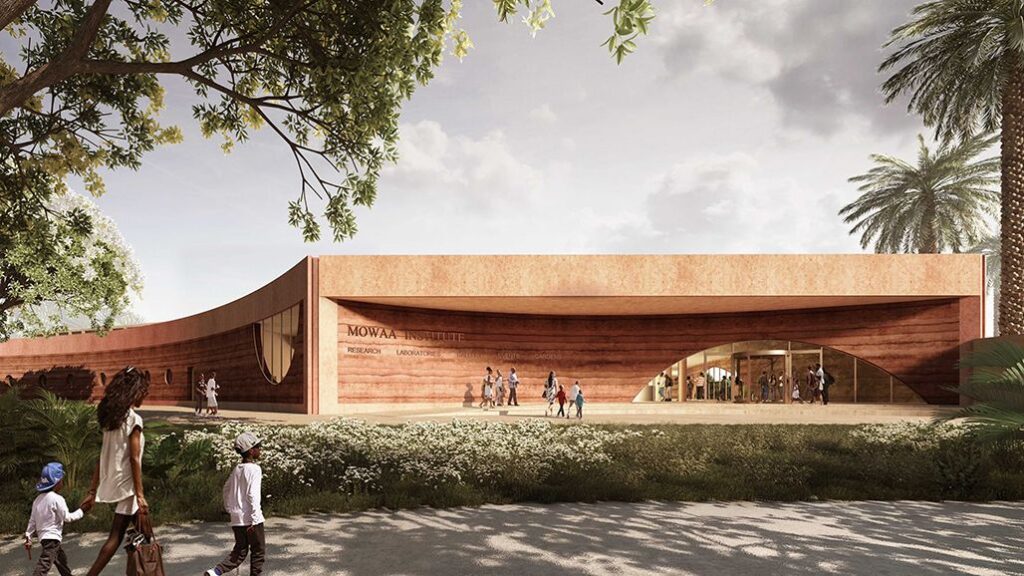
By: ThinkBusiness Africa The planned grand opening of Nigeria’s highly anticipated Museum of West African Art (MOWAA) has been indefinitely postponed following a disruptive protest at the museum’s preview event on Sunday. MOWAA said in a statement. The incident, which saw approximately 20 men storm the grounds, forcing guests and officials to take shelter, highlighting the deep-seated local political and cultural tensions surrounding the ownership and control of the nation’s priceless heritage, particularly the coveted Benin Bronzes. Clips online showed around 20 men, some armed with wooden bats, entered the $25 million museum campus, insulted foreign guests and ordered them to leave. According to MOWAA guests were escorted safely out of the campus. The disruption occurred during a private viewing event for donors and industry professionals at the new multi-million dollar museum in Benin City, Edo State. “We sincerely apologise for any inconvenience this situation may have caused, including interruptions to travel plans or scheduled visits.” MOWAA said. The official opening, which was scheduled for Tuesday, November 11, has been postponed indefinitely following the security breach. “We advise against visiting the MOWAA campus until the situation has been resolved. There will be no preview events on Sunday 9 November, Monday 10 November and Tuesday 11 November.” MoWAA said. The $25 million Museum of West African Art was partly conceived as a state-of-the-art facility to house and preserve repatriated artifacts, notably the Benin Bronzes—thousands of plaques and sculptures stolen and looted by British forces during the 1897 punitive expedition on the old Kingdom of Benin. The protest appears to be directly linked to an ongoing, bitter dispute over who holds the rightful custodianship of these repatriated treasures. MOWAA was launched by Nigerian businessman Phillip Ihenacho with the support of the former Edo State Governor. Its initial purpose was to serve as a home for the returning Bronzes. The Benin traditional ruler, His Royal Majesty, Oba Ewuare II, has been officially recognized by the Nigerian Federal Government through a decree as the owner and custodian of the looted artifacts. Despite the museum’s design to be a principal home for the repatriated Bronzes, the artifacts themselves are currently not on display at MOWAA. The ongoing dispute has meant that the approximately 150 original Bronzes returned to Nigeria by various international institutions remain in storage, pending resolution of the ownership conflict.
Washington boycotts G20 summit in South Africa cites ‘oppression of white farmers’.
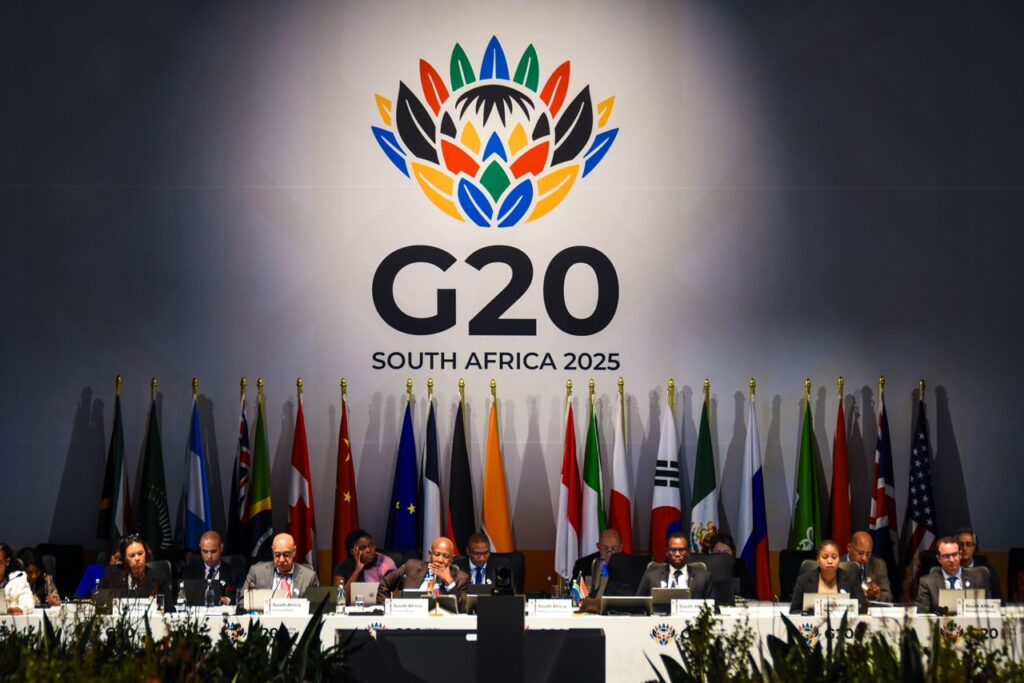
By: ThinkBusiness Africa United States President Donald Trump said late Friday that the United States would enforce a complete diplomatic boycott of the upcoming Group of 20 (G20) Leaders’ Summit in Johannesburg, South Africa, citing what he called “human rights abuses” and state-sanctioned persecution against the nation’s minority white farmers. The announcement overrides plans for Vice President J.D. Vance to attend the international forum, which is scheduled for November 22-23. The move is expected to cause significant disruption to the summit’s agenda, which South Africa has focused on themes of “Solidarity, Equality, and Sustainability.” In an attacking post published on his Truth Social platform, President Trump declared the hosting of the summit in South Africa a “total disgrace” and vowed that “No U.S. Government Officials will attend as long as these Human Rights abuses continue.” He said. The President specifically referenced allegations of violence, killings, and the “illegal confiscation” of farmland targeting Afrikaners—descendants of Dutch, French, and German settlers. Mr. Trump has repeatedly made these claims throughout the year, escalating the diplomatic friction between Washington and Pretoria. The South African government, which has repeatedly rejected the administration’s claims of systematic persecution, expressed surprise and disappointment at the decision. The central issue of land has been magnified by South Africa’s recently enacted Expropriation Act, a law aimed at redistributing land taken during the colonial and apartheid eras, which allows for the seizure of property without compensation in certain defined cases for “public interest.” The boycott marks the culmination of months of diplomatic tension over the Afrikaner issue. The Trump administration has taken several steps this year to put pressure on Pretoria Washington sharply reduced the annual refugee admissions limit to 7,500, simultaneously indicating that most of those admitted would be white South Africans facing alleged discrimination. In February, the US froze a portion of foreign aid to South Africa, directly criticizing the new land reform law as discriminatory. Earlier this year, Secretary of State Marco Rubio boycotted a G20 foreign ministers’ meeting in South Africa, protesting the inclusion of diversity and climate change on the meeting’s agenda. The US will take-over leadership of the ‘Group of Twenty’ from South Africa next year. Trump says he can’t wait to host them in Miami in 2026. #####
African Union to US: respect Nigeria’s sovereignty
By: ThinkBusiness Africa The African Union Commission (AUC) reaffirmed its unwavering commitment to Nigeria’s sovereignty, non-interference, religious freedom, and the rule of law, following what it described as “concerning” statements from the United States of America. It’s said in a statement on Friday. The AUC’s statement, directly addressed recent claims by the United States (US) alleging that the Government of Nigeria is complicit in the targeted killing of Christians and, critically, threatening military action. The Commission firmly asserted that it fully respects Nigeria’s “sovereign right to manage its internal affairs,” including security and human rights, in line with its Constitution and international obligations. The statement underscored the fundamental principle that any external engagement with Nigeria “must respect Nigeria’s sovereignty, territorial integrity, and unity.” The commission said. The AUC emphasized that the Federal Republic of Nigeria is a longstanding and valued Member State, playing a crucial role in regional stability, counter-terrorism, peacekeeping initiatives, and continental integration. African Union backed Nigeria’s repeated affirmation that its Constitution guarantees freedom of religion and belief and that the Government rejects all forms of religious persecution. Instead of military threats, the African Union urged external partners, particularly the United States, to pursue a path of diplomacy and cooperation; calling for: Diplomatic dialogue, Intelligence sharing and Capacity-building partnerships. The statement stressed that these methods must be pursued while “respecting Nigerian sovereignty rather than resorting to unilateral threats of military intervention,” which the AU warned could undermine continental peace, regional stability, and AU norms for peaceful conflict management. On November 1, 2025, US President Trump announced that the U.S. State Department was designating Nigeria as a “Country of Particular Concern (CPC)” for allegedly engaging in or tolerating “particularly severe violations of religious freedom.” This designation opens the door to potential U.S. sanctions. On November 2, 2025, President Trump escalated the situation dramatically in a series of social media posts, publicly threatening unilateral U.S. military intervention in Nigeria. His posts directed the newly styled “Department of War” (Pentagon) to prepare for action. “If the Nigerian Government continues to allow the killing of Christians, the U.S.A. will immediately stop all aid and assistance to Nigeria, and may very well go into that now disgraced country, ‘guns-a-blazing,’ to completely wipe out the Islamic Terrorists who are committing these horrible atrocities.” Trump threatens. However, Nigerian president Bola Ahmed Tinubu, swiftly rejected the claims of any Christian persecution in the country, stating that freedom of religion is a fundamental human rights in the west African nation.
COP 30: Nigeria demands massive boost in global nature financing backed by $3 billion local plan
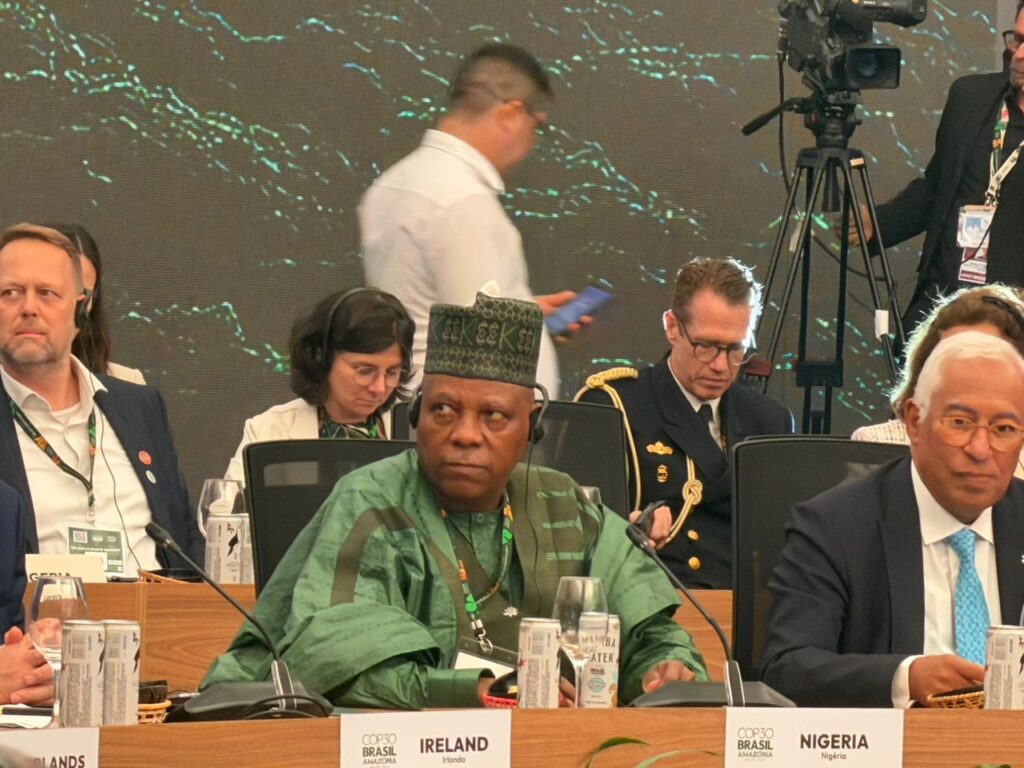
By: ThinkBusiness Africa Africa’s most populous nation issued a strong appeal to the international community at the United Nations Climate Change Conference (COP 30) in Belem, Brazil, calling for a significant increase in global financing to protect and restore nature’s economic value. Representing Nigerian President Bola Ahmed Tinubu, Vice President (VP) Kashim Shettima stated that the protection of shared global resources—including forests, landscapes, and oceans—demands global solidarity and predictable, equitable, and accessible funding mechanisms. VP Shettima, speaking at a high-level thematic session titled “Climate and Nature: Forests and Oceans,” lamented that despite nature being the world’s most critical infrastructure, it has been primarily treated as a commodity to exploit rather than an asset for investment. Underpinning Nigeria’s demand for global action is its own commitment to integrating nature-positive investments into its climate finance architecture. “Through our National Carbon Market Framework and Climate Change Fund, we aim to mobilise up to $3 billion annually in climate finance,” He said. Adding that these substantial resources would be strategically reinvested in community-led reforestation, blue carbon projects, and sustainable agriculture. He urged global partners to recognize this economic value and channel significant finance toward protection and restoration efforts through concrete funding mechanisms. The Vice President argued for climate justice, contending that Global South countries, which have contributed the least to the climate crisis, are currently bearing its highest costs. “Nations that have benefited more from centuries of extraction must now lead in restoration,” he insisted, emphasizing that this leadership is essential for climate justice to be seen as served. To achieve this, Senator Shettima outlined specific financial interventions, calling on the global community to: VP Shettima acknowledged the immediate threats Nigeria faces, which necessitate its front-row participation in these global discussions. “We, too, are under siege,” he said, citing danger signs in deforestation, illegal mining, coastal erosion, and rising sea levels. He highlighted the dramatic advance of the Sahara Desert, which “advances by nearly one kilometre each year, displacing communities and eroding livelihoods.” In response, Nigeria is taking “bold, coordinated steps to restore balance between climate, nature, and development.” These include: The Nigerian Vice President vehemently rejected the “outdated narrative” of portraying Africa as merely a victim of climate change. Instead, he positioned the continent as a crucial source of solutions, noting that Africa’s rainforests, mangroves, peatlands, and oceans constitute some of the planet’s largest untapped carbon sinks. Furthermore, he highlighted the continent’s youth as “the world’s greatest untapped source of innovation and resolve.”