
Dangote Group Seals $400M Deal with China’s XCMG to Double Refinery Capacity
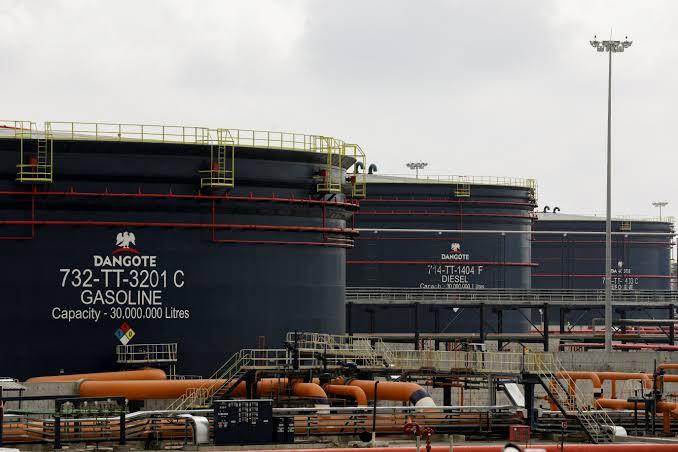
By: ThinkBusiness Africa LAGOS, Nigeria — The Dangote Group said on Tuesday that it has signed a $400 million agreement with China’s Xuzhou Construction Machinery Group (XCMG). The deal secures a fleet of advanced heavy-duty equipment to fast-track the expansion of the Dangote Petroleum Refinery, aiming for a global-record capacity of 1.4 million barrels per day (bpd). Currently operating at its “nameplate” capacity of 650,000 bpd, the refinery is already the largest single-train facility in the world. This new investment kicks off “Phase 2,” a three-year construction marathon intended to more than double that output. If successful, the Lekki-based complex will surpass India’s Jamnagar Refinery to become the largest refinery complex on the planet. The $400 million investment isn’t just focused on gasoline and diesel. The Group’s expansion plan includes a dramatic scaling of its petrochemical and fertilizer arms: The deal with XCMG goes beyond simple procurement. The Chinese machinery giant has committed to deploying dedicated project teams for open-pit mining and petrochemical construction. Also, collaborating on new energy (electric) equipment to reduce the carbon footprint of the refinery’s operations. The announcement comes at a pivotal time for the Nigerian economy, as the refinery hits its stride in early 2026, the “Dangote Effect”—a reduction in foreign exchange demand for fuel imports—is already beginning to stabilize the Naira. With the equipment secured, construction is expected to hit peak intensity by the end of 2026. This expansion also paves the way for the highly anticipated IPO of the Dangote Refinery on the Nigerian Exchange (NGX), expected later this year.
South Africa unemployment eases to five-year low, but discouraged workers woes persist
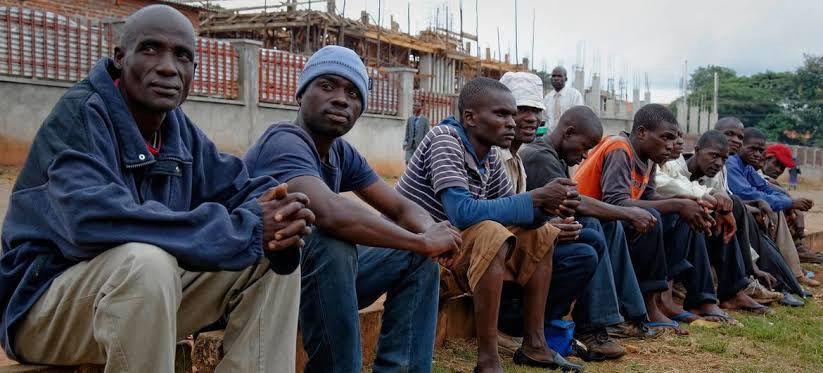
By: ThinkBusiness Africa South Africa’s official unemployment rate fell for the second consecutive quarter, dropping to 31.4% in the final three months of 2025. While the figure marks the lowest level since the 2020 COVID-19 shock, the latest data from Statistics South Africa (Stats SA) reveals a labor market still struggling with deep structural fractures. According to the Quarterly Labour Force Survey (QLFS) released on Tuesday, the number of employed persons saw a modest increase of 44,000, reaching a total of 17.1 million. Simultaneously, the number of unemployed individuals decreased by 172,000, settling at 7.8 million. The Formal Sector emerged as the primary driver of growth, adding 320,000 jobs. This was led by gains in Community and Social Services (+46,000), Construction (+35,000), and Finance (+32,000). Meanwhile, the Informal Sector suffered a sharp contraction, shedding 293,000 positions. Analysts suggest that while formal industries are stabilizing, the “survivalist” economy of the informal sector is failing to provide a reliable safety net for those unable to find traditional work. Economists have cautioned against over-optimism regarding the 0.5% drop. A closer look at the data shows that much of the decline in the official rate is due to people exiting the labor force entirely rather than finding work. The Expanded Unemployment Rate—which includes those who have stopped looking for work—remains at a staggering 42.1%. The youth (ages 15–34) continue to bear the brunt of the crisis. Despite the overall improvement, youth unemployment edged up slightly to 43.8%, as the economy failed to absorb first-time job seekers entering the market at the end of the school year. As South Africa moves into 2026, the government faces mounting pressure to translate these marginal “statistical gains” into tangible opportunities for the nearly 8 million people still without work.
Aviation operations normalize as Kenyan airport workers call off two-day strike
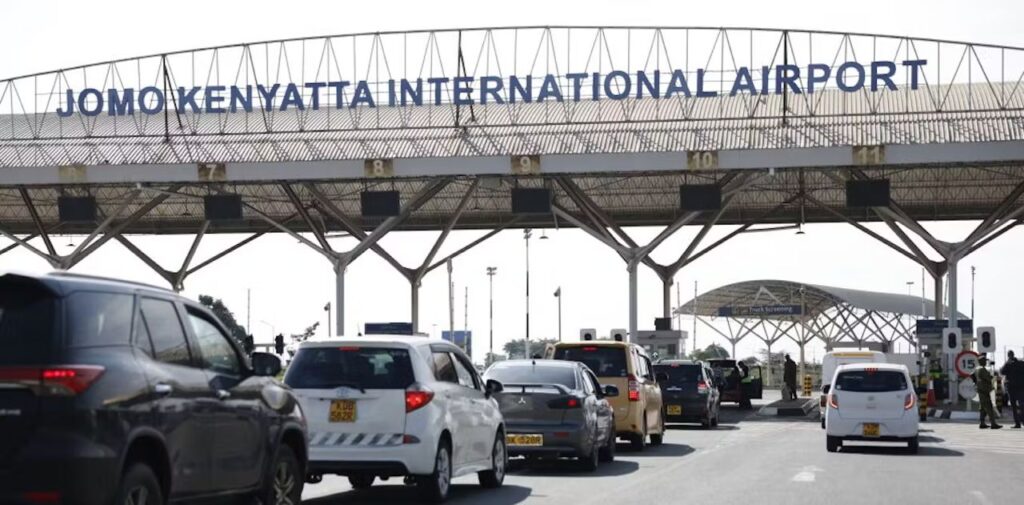
By: ThinkBusiness Africa Travelers at Jomo Kenyatta International Airport (JKIA) and other regional hubs are seeing a return to normalcy on Wednesday, after the Kenya Aviation Workers Union (KAWU) officially called off its nationwide strike. According to a statement from the Kenya Airports Authority (KAA), the resolution followed an intensive mediation meeting led by Transport Cabinet Secretary Davis Chirchir, along with officials from the Ministry of Labour, KAA, and the Kenya Civil Aviation Authority (KCAA). The strike, which began at 6:00 AM on Monday, was triggered by a decade-long dispute over stalled Collective Bargaining Agreements (CBAs). Union leaders had accused the government of “servitude conditions,” citing stagnant pay and the use of short-term contracts for permanent roles. The 48-hour “go-slow” primarily affected Air Traffic Control (ATC) services, creating a bottleneck that paralyzed Kenya’s airspace. Hundreds of travelers were left stranded in departure halls, with some reporting being stuck on tarmacs for over two hours without air conditioning. National carrier Kenya Airways reported departure delays of up to four hours, while regional airlines like Jambojet and Uganda Airlines were forced to cancel or reschedule dozens of flights. The impact was felt beyond Nairobi, with Kisumu International Airport reporting a total standstill of arrivals from JKIA on Tuesday morning. “Operations are normalizing across all airports. Passengers are advised to contact their airlines for the latest flight schedules.” KAA said in a statement. While the strike is over, a significant backlog of flights remains. KAA Managing Director Mohamud Gedi noted that while operations are “normalizing,” passengers should not head to the airport without first confirming their flight status with their respective airlines.
Nigeria Industrial Giant BUA Partners Abu Dhabi’s AD Ports to Revolutionize West African Logistics
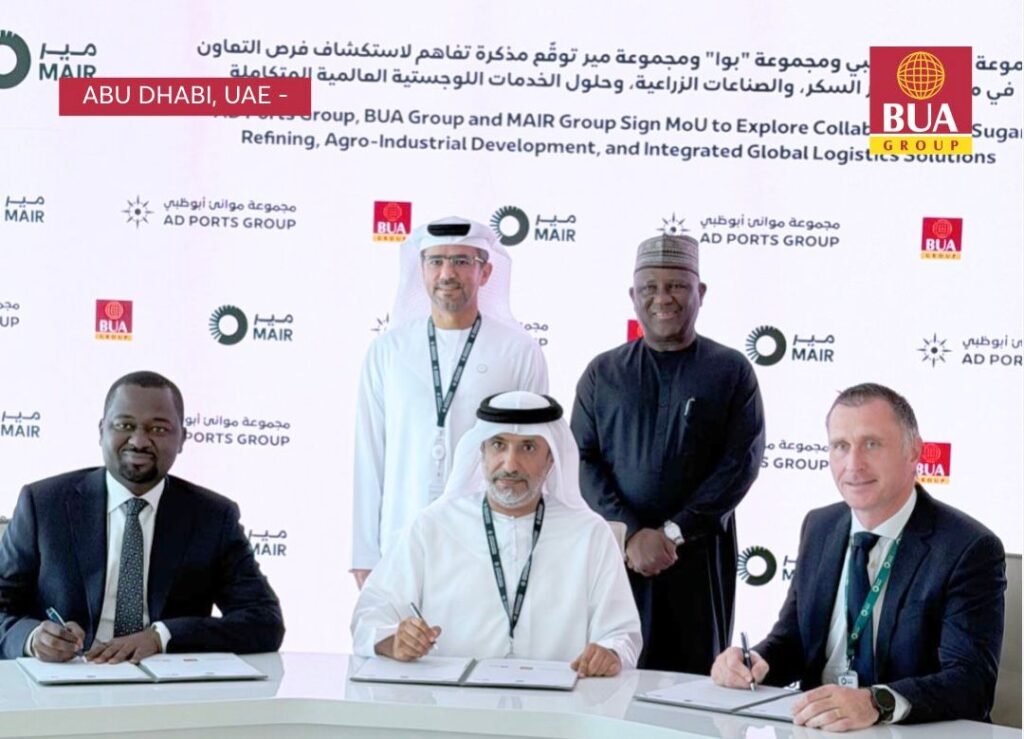
By: Chidozie Nwali In a move set to redefine trade dynamics between Africa and the Middle East, Nigeria’s BUA Group has signed a landmark Memorandum of Understanding (MoU) with Abu Dhabi’s AD Ports Group and MAIR Group. According to a statement from BUA Group on Monday, the agreement establishes a strategic partnership focused on sugar refining, agro-industrial development, and the creation of an integrated global logistics corridor. The Nigerian Presidency hailed as a “major industrial breakthrough” by signaling a significant shift toward export-led growth and high-value manufacturing for the West African nation. The centerpiece of the agreement is the development of a world-class sugar refining and food processing hub at Khalifa Port in Abu Dhabi. Under the framework, Agricultural commodities, primarily sugar, will be sourced and partially processed in Nigeria before being shipped to Abu Dhabi for final refining. Leveraging Khalifa Port’s connection to over 70 global destinations, the refined products will be distributed across the Middle East, Asia, and beyond. The partnership will integrate AD Ports’ digital trade solutions and MAIR Group’s logistics expertise to eliminate traditional bottlenecks in West African maritime trade. President Bola Ahmed Tinubu, speaking from Abuja, commended the deal as a direct result of the UAE-Nigeria Comprehensive Economic Partnership Agreement (CEPA) signed earlier in January. “Strategic diplomacy must translate into measurable economic gains,” President Tinubu stated. “This partnership reflects the renewed momentum in Nigeria-UAE relations and our determination to position Nigeria as a competitive industrial nation while empowering our businesses to operate confidently on the global stage.” The collaboration arrives as Nigeria’s economy is projected to grow by 4.3% in 2026. By moving away from raw commodity exports and toward refined products, Nigeria aims to capture a larger share of the global value chain. While sugar refining is the immediate focus, the “revolution” lies in the infrastructure. By aligning BUA Group’s substantial investments in Nigerian port upgrades with AD Ports’ global maritime network, the deal creates a predictable trade corridor. This is expected to lower the cost of doing business in Nigeria and enhance the “traceability and quality standards” of Nigerian agro-exports, making them more competitive in international markets.
Naira stability anchors Nigeria’s inflation at 15.10% in January
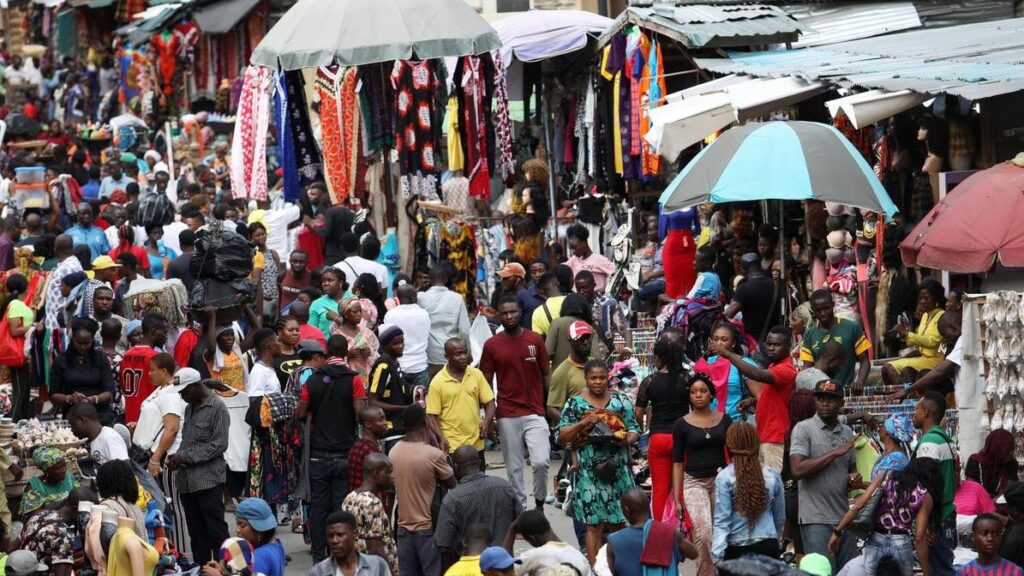
By: ThinkBusiness Africa Nigeria’s headline inflation rate continued its downward trajectory in January 2026, easing to 15.10% from 15.15% in December. The marginal decline, reported by the National Bureau of Statistics (NBS) on Monday, underscores a growing sense of macroeconomic resilience as the year begins. Analysts credited the cooling of prices to a stabilizing exchange rate and improved domestic supply, which helped the economy bypass a widely predicted “base effect” spike that many feared would push the rate toward 19%. A key driver of the January moderation was the relative stability of the Naira. After years of volatility, the local currency has found a steadier range, reducing the “pass-through” cost of imported goods and services. Since the beginning of the year, the Naira has traded below N1450 per U.S dollar. The local currency appreciation in the official market, gained roughly 7.8% year-on-year, and helped ease the cost of imported components. The 15.10% figure was a significant “beat” against market expectations. Many research houses had projected a technical uptick due to the NBS’s recent rebasing of the Consumer Price Index (CPI) to a 2024 base year. Instead, a sharp month-on-month contraction of -2.88% (compared to 0.54% in December) helped neutralize these statistical pressures. According to NBS, food inflation decelerated to 8.89%, supported by fairly strong supply conditions for staples like maize and sorghum. The Central Bank of Nigeria’s (CBN)latest Inflation Expectations Survey showed that business owners are becoming increasingly optimistic, with more respondents expecting prices to remain stable or decrease over the next six months. The data arrives just as the CBN prepares for its first Monetary Policy Committee (MPC) meeting of the year. With inflation trending toward the bank’s year-end target of 12.94%, the narrative is shifting from “aggressive tightening” to “stability maintenance.”
Geopolitical Chess: Oil Markets Hold Steady as Geneva Braces for U.S.–Iran Nuclear Talks

By: ThinkBusiness Africa Global oil markets entered a holding pattern on Monday, with crude prices hovering near two-month highs as traders await the outcome of high-stakes nuclear negotiations between the United States and Iran. The “calm before the storm” sentiment reflects a market caught between two opposing forces: a $5–$10 per barrel “geopolitical risk premium” driven by Middle East tensions, and the looming prospect of a massive supply surplus as OPEC+ signals a return to production hikes this spring. As of Monday morning, prices showed marginal movement following their first back-to-back weekly decline of the year: Brent crude futures edged up 3 cents to $67.78 a barrel; while U.S. West Texas Intermediate crude was at $62.91 a barrel, up 2 cents. All eyes are on Geneva, where the second round of indirect talks is scheduled to begin tomorrow, Tuesday, The U.S. delegation, reportedly including envoys Jared Kushner and Steve Witkoff, is expected to meet with Iranian officials to discuss a potential “Grand Bargain.” Tehran has signaled a desire for an agreement that includes mutual economic benefits, specifically targeting investments in its energy and mining sectors, as well as the purchase of commercial aircraft. While President Trump has expressed optimism for a deal within the next month, the administration has maintained a “maximum pressure” posture. This includes the recent deployment of a second aircraft carrier to the region and new sanctions targeting “teapot” refineries in China that process Iranian crude. Counterbalancing the risk of conflict is a shift in strategy from the OPEC+ alliance. Reports surfaced on Friday that the group, led by Saudi Arabia and Russia, is leaning toward resuming production increases starting in April 2026. The move follows a three-month pause in hikes during the first quarter. Analysts suggest the pivot is a strategic bid by Riyadh to reclaim market share from U.S. shale drillers. However, the timing is delicate: the International Energy Agency (IEA) recently warned that global supply could exceed demand by a staggering 3.73 million barrels per day this year, potentially dragging prices down to the $50 range by year-end if diplomacy succeeds.
Nigerian Breweries Swings Back to Profitability in 2025 After 2 years losing streak

By: Chidozie Nwali Nigerian Breweries Plc, the nation’s largest brewer, has on Friday officially declared a dramatic return to profitability for the 2025 financial year, successfully ending a two-year streak of heavy losses that had shaken investor confidence. According to the audited financial statements for the year ending December 31, 2025, the brewing giant recorded a net profit of N99.1 billion, a massive reversal from the N145 billion net loss reported in 2024. The company’s top-line performance reached historic levels, with revenue surging 35% to hit N1.47 trillion. This growth was largely attributed to a strategic mix of “premiumization”—pushing high-end brands like Heineken and Tiger—and necessary price adjustments to counter the high-inflation environment. Operating profit saw an even more explosive growth, climbing nearly 194% to N205.2 billion, up from N69.9 billion the previous year. This suggests that the company’s core business operations have become significantly more efficient despite rising production costs. The true hero of the 2025 balance sheet was the reduction in finance costs. Following a successful Rights Issue in 2024, Nigerian Breweries was able to aggressively pay down its foreign-denominated debt. Net Finance Costs dropped by 83% (from N183 billion to roughly N44 billion). By eliminating the bulk of its US Dollar liabilities, the company effectively shielded itself from the currency volatility that caused its 2023–2024 crisis. The 2025 rebound was also bolstered by the full integration of Distell Wines and Spirits Nigeria. This acquisition allowed Nigerian Breweries to diversify its portfolio into the spirits and wine market, providing a cushion against fluctuating beer volumes as consumer purchasing power remains under pressure. The stock market reacted with enthusiasm to the results. Shares of Nigerian Breweries (NB) more than doubled over the course of the year, closing at N75.30 compared to the N32.00 mark seen at the start of the year. “The Board is confident that with the continuing support of Shareholders as well as the continuous focus on agility, innovation, revenue management, and financial discipline, the Company is set for sustainable growth and long-term value creation for the Shareholders.” Board of NB noted. However, with the current trajectory, the board is confident in the journey toward a total balance sheet restoration.
AU Summit: Nigeria Secures Permanent Seat on African Central Bank Board
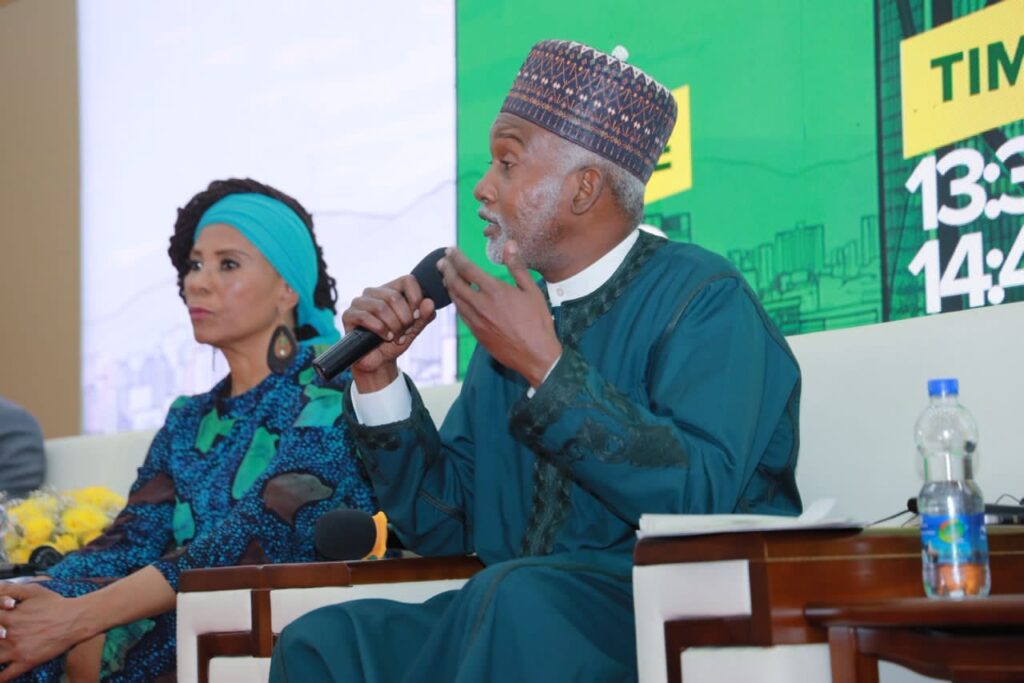
By: Chidozie Nwali Nigeria has achieved a historic diplomatic and economic milestone at the 39th Ordinary Session of the African Union (AU) Executive Council, securing a permanent seat on the Board of the African Central Bank (ACB). The announcement was made on Friday, by the Minister of Foreign Affairs, Ambassador Yusuf Tuggar, who described the development as a “landmark success” for the nation’s influence in the continent’s financial evolution. The decision by the AU Executive Council ensures that Nigeria, Africa’s most populous nation and a leading economic power, will have a continuous and decisive role in shaping the continent’s monetary future. This seat also extends to the Board of the Technical Convergence Committee of the African Monetary Institute (AMI). AMI serves as the institutional precursor to the African Central Bank, responsible for setting the macroeconomic benchmarks and technical frameworks required to launch a single African currency. “This development underscores Nigeria’s strategic role in shaping Africa’s financial architecture,” Tuggar stated. “It affirms our technical capacity and commitment to the African Union’s monetary integration agenda.” He noted. The appointment comes as Vice President Kashim Shettima arrives in Addis Ababa to represent President Bola Ahmed Tinubu at the main Assembly of Heads of State and Government (February 14–15). The 2026 Summit, themed around sustainable water and sanitation, is set to tackle critical infrastructure goals. However, Nigeria’s new permanent status at the ACB will likely dominate the economic sidebars, as the continent looks toward the African Central Bank to stabilize exchange rates and facilitate the African Continental Free Trade Area (AfCFTA).
SMEs: Nigeria Bank of Industry disburse record N636, president hails performance
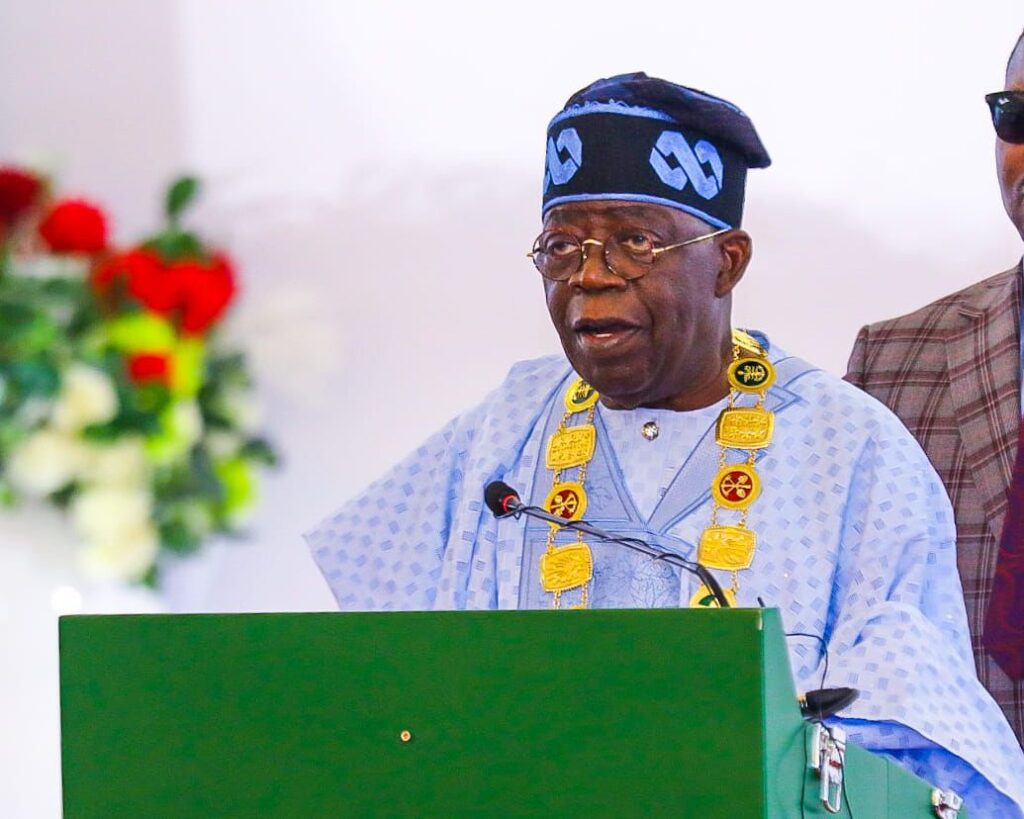
By: ThinkBusiness Africa The Nigerian government-owned development finance institution, Bank of Industry (BOI) has reported a historic N636 billion disbursement to more than 7,000 Nigerian enterprises in 2025, marking the highest annual outlay in the institution’s history. The performance, described by President Bola Tinubu on Thursday, as a “power extended to communities, and businesses strengthened,” represents a strategic shift toward high-impact sectors and financial inclusion for the nation’s smallest businesses. President Tinubu noted in a post X. Data from the 2025 financial report highlights a strategic distribution of capital across Nigeria’s most critical economic pillars, with Agro-allied enterprises receiving the lion’s share of funding at N202 billion. This investment was specifically targeted at food security, evidenced by major capacity upgrades like the tomato processing expansion from 3.1 to 10 metric tonnes per hour. Following closely was the Infrastructure sector, which secured N100 billion to bolster essential services including broadband, aviation, and the deployment of 100 mini-grids to improve power access. The manufacturing and extractive industries also saw substantial support, receiving N79 billion and N77 billion respectively. While the manufacturing funds were directed toward local production and reducing import dependency, the extractive sector investment focused on increasing value-addition for solid minerals. Rounding out the primary allocations, the Services sector was granted N55 billion, providing a necessary boost to the ICT and creative economies. Small & Medium Enterprises gains A standout feature of the 2025 report is the bank’s success in reaching micro and nano-scale businesses, which are often excluded from traditional commercial banking. While large enterprises received the largest volume, the sheer number of smaller beneficiaries underscores a push for grassroots economic stability. The Presidential Conditional Grant Scheme alone reached 957,400 beneficiaries, providing a vital safety net and growth capital for the nation’s smallest traders. Beyond the balance sheet, the BOI’s 2025 activities have been a major driver of employment. The bank reports that its interventions led to the creation and retention of 1.6 million jobs. “In a challenging global environment, Nigeria chose reform, discipline, and productive investment,” President Bola Tinubu noted. Despite the aggressive lending, the BOI maintained exceptional asset quality, reporting a non-performing loan (NPL) ratio below 1.5%, significantly lower than the industry average.
Nigeria: NNPCL posts record N5.76 trillion, 6.6% profit in 2025.
By: Thinkbusiness Africa Nigerian state-owned oil company, has concluded its 2025 financial year with a historic performance, reporting a Profit After Tax (PAT) of N5.76 trillion. This marks a significant milestone in the company’s post-PIA (Petroleum Industry Act) transition, alongside a total remittance of N14.706 trillion to the Federal Government. The data, captured in the Nigerian National Petroleum Company (NNPC) year-end performance summary, underscores a period of aggressive operational recovery and strategic fiscal discipline despite fluctuations in global oil prices and domestic production challenges. The company’s 2025 fiscal performance represents a substantial leap in both revenue generation and profitability. NNPC Limited generated a gross revenue of N60.51 trillion, which reflects an approximate 34% increase from the N45.1 trillion recorded in the 2024 financial year. This growth trickled down to the bottom line, with the company posting a Profit After Tax (PAT) of N5.76 trillion. This profit figure is a 6.6% improvement over the previous year’s N5.4 trillion, signaling a period of sustained financial resilience despite the volatile nature of global energy markets. A critical highlight of the year was the company’s contribution to national development through statutory remittances. NNPC Limited remitted a record-breaking N14.706 trillion to the Federation Account, reinforcing its position as the primary engine for Nigeria’s fiscal liquidity. Operationally, the year was characterized by fluctuating output levels, with crude and condensate production averaging between 1.54 and 1.70 million barrels per day (mmbpd). As part of its 2030 Roadmap, NNPC Limited is targeting a $60 billion investment pipeline. The goal is to ramp up production to 2 million bpd by 2027 and 3 million bpd by 2030.