
Agricultural expert, Titi Ojo calls for Agenda base farming to boost Africa’s Agri-export
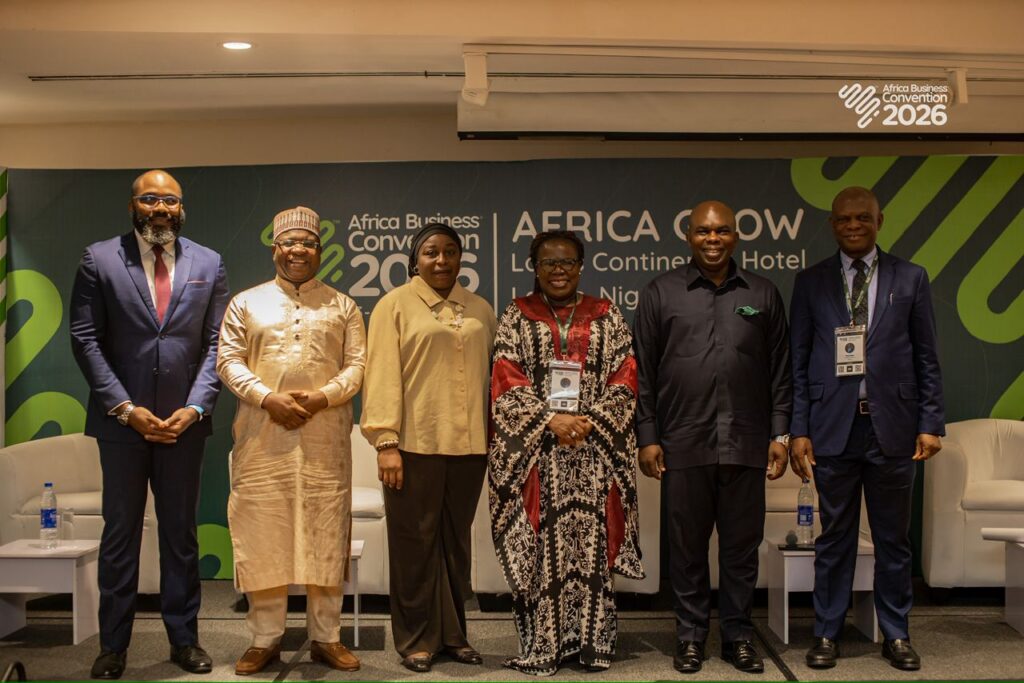
By: ThinkBusiness Africa In a high-stakes plenary session at the 2026 African Business Convention (ABC), agricultural experts and policy leaders issued a definitive call for African nations to adopt “Agenda-Based Farming” as the primary engine for doubling the continent’s agricultural exports. For decades, African agriculture has been characterized by subsistence farming. However, speaking at the Public-Private Dialogue in Lagos, Mrs. Titi Ojo, CEO of Agrochains consult argued that to compete with global giants, the continent must align its farming practices with specific commercial and environmental “Agendas.” “So we see the picture, we see the vision, we see where we’re going to, we call it a five years agenda, or a one point agenda, you’ll be shocked that if we can get everybody into that plan, it’s going to trickle down to even the small family in the village, because they’ll know that everything they’re producing is plugging into system and that system is growing to the highest level of the export and when the money comes in it’s still going back to us.” She emphasized. The “Export-Ready” Pillars Titi Ojo outlined critical pillars that must be integrated into national farming frameworks to unlock the continent’s export potential: “I’ve seen a lot of these gaps. To build an export driven agriculture agenda, we must break these gaps, because of the planning of those kinds of projects, for everybody to begin to plug into that same system.” She said. According to her arguments, Africa has 60% of the world’s uncultivated land, with an agenda-based approach, the continent will have more than enough eat and feed the entire world.
Dangote Refinery Achieves 650,000 bpd Milestone; Begins Global Validation Test
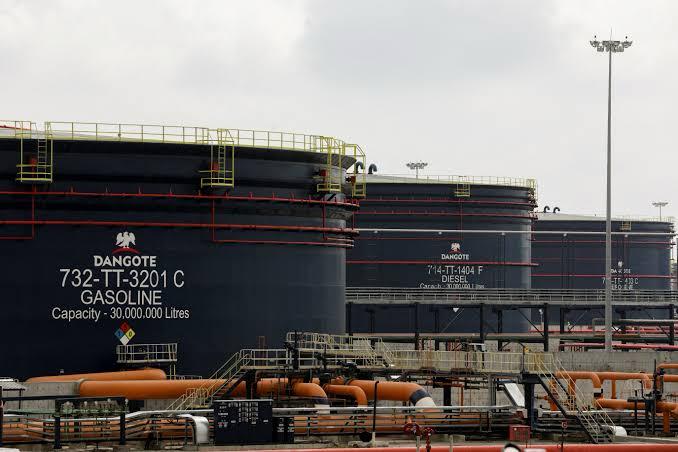
By: ThinkBusiness Africa LAGOS, Nigeria — The Dangote Petroleum Refinery officially reached its full nameplate capacity of 650,000 barrels per day (bpd) on Wednesday. The milestone cements the $20 billion facility’s status as the world’s largest single-train refinery and marks the end of Nigeria’s decades-long reliance on imported fuel. The company confirmed that the ramp-up follows a successful optimization of the Crude Distillation Unit (CDU) and the Motor Spirit (MS) Block. To validate this peak performance, the refinery has commenced an intensive 72-hour performance test in coordination with its technology licensor, UOP (Honeywell). The shift to full capacity is expected to have an immediate impact on West Africa’s largest economy. During the recent 2025 festive season, the refinery was supplying approximately 45–50 million litres of petrol (PMS) daily. With the MS Block now fully operational, that figure is set to rise to 75 million litres per day. “Our teams have demonstrated exceptional precision in stabilizing the CDU and MS Block,” stated David Bird, CEO of Dangote Petroleum Refinery. “This testing phase allows us to validate the entire plant under real operating conditions, ensuring we meet global benchmarks for yield and efficiency.” For Nigeria, the 650,000 bpd output represents more than just industrial prowess; it is a critical lever for currency stability. By producing its own fuel, Nigeria is expected to save billions in foreign exchange annually. Analysts predict that Nigeria will transition from a net importer to a major exporter of refined products to the West African sub-region by the end of Q2 2026. While the current milestone is a victory, the Dangote Group is already moving toward a “Phase 2” expansion. Last month, Aliko Dangote announced an ambitious plan to more than double the site’s capacity to 1.4 million bpd over the next three years. The expansion will utilize a “roofless replication” strategy—essentially duplicating existing units to bypass lengthy redesign phases. Site preparation for this next stage began in late January, with major equipment orders slated for completion this quarter. The refinery is also expected to list on the Nigerian Exchange (NGX) later in 2026, offering the public a chance to own equity in what is now Africa’s most critical industrial asset.
Bank of Zambia Slashes Key Rate by 75 Basis Points, Inflation Hits Single Digits
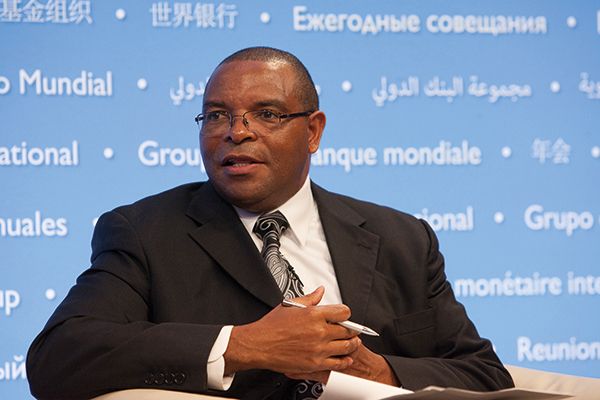
By:ThinkBusiness Africa The Bank of Zambia (BoZ) on Wednesday aggressively cut its benchmark lending rate by 75 basis points, lowering it to 13.50%. A move signaling growing confidence in the country’s cooling economy. The decision, announced by Governor Denny Kalyalya following a two-day Monetary Policy Committee (MPC) meeting, marks the second consecutive reduction in the policy rate. The cut was significantly deeper than the 25-basis-point easing most economists had predicted, surprising financial markets and signaling a pivot toward supporting economic growth. According to governor Kalyalya, a sharper-than-expected decline in consumer prices was the primary catalyst for the central bank’s bold move. Annual inflation tumbled to 9.4% in January 2026, down from 11.2% in December. This marks the first time in nearly three years that Zambia’s inflation has dipped into single digits. “Projections indicate a faster deceleration towards the lower bound of the 6%–8% target band than we initially anticipated in November,” Governor Kalyalya stated during the press briefing. This January, the Zambian Kwacha has maintained a steady trajectory against the US Dollar, aided by high copper export earnings and improved foreign exchange flows. Also, on fiscal reforms, debt-restructuring efforts and disciplined government spending have reduced the risk of “fiscal dominance,” allowing the central bank more breathing room. While the rate cut is a victory for borrowers and businesses looking for cheaper credit, the BoZ warned that it remains “cautiously optimistic.” Global risks, including potential trade volatility and fluctuations in copper prices, remain on the radar.
Nigerian central bank reintegrates fx bureau with $150,000 weekly cap to ease fx pressure
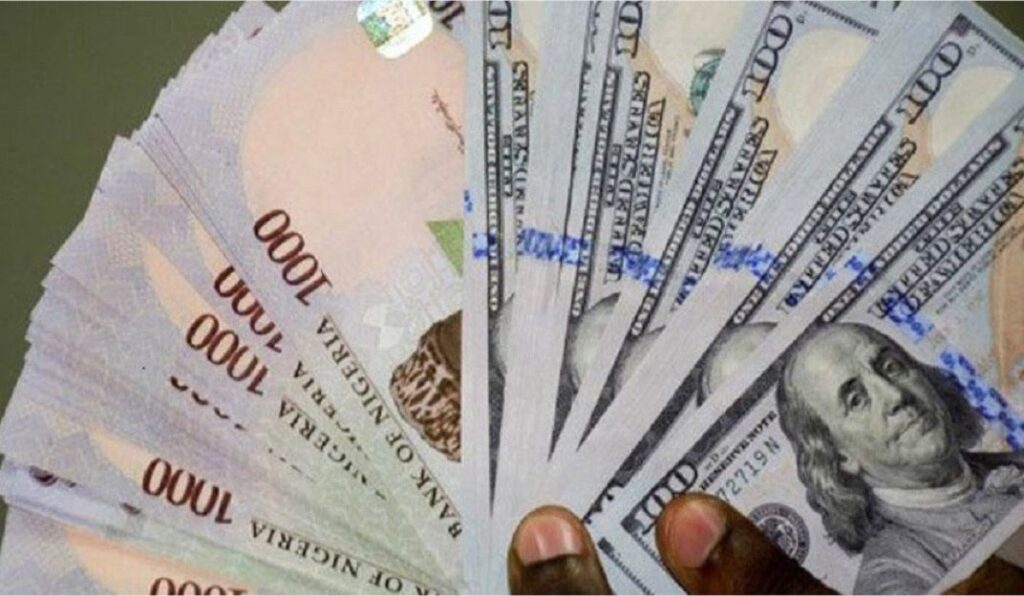
By: ThinkBusiness Africa In a major move to bolster liquidity in the retail foreign exchange market, the Central Bank of Nigeria (CBN) has officially authorized licensed Bureau De Change (BDC) operators to resume large-scale FX purchases from the official market. The directive, contained in a circular on Tuesday signed by Dr. Musa Nakorji, Director of the Trade and Exchange Department, permits BDCs to purchase up to $150,000 weekly at prevailing market rates. This policy shift marks a significant expansion from the temporary $25,000 limit previously established, signaling the apex bank’s confidence in its new regulatory framework. The CBN has introduced several “guardrails” to ensure the funds reach the intended retail users: This policy follows a massive regulatory overhaul in late 2025, where the CBN revoked the licenses of over 4,000 operators for non-compliance. Currently, only about 82 licensed BDCs have met the new tiered capital requirements (N2 billion for Tier 1; N500 million for Tier 2). By channeling 150,000 weekly through these vetted operators, the CBN hopes to flood the retail segment with enough liquidity to narrow the gap between the official NFEM rate (currently averaging N1,366) and the parallel market. “This is to inform market participants that all BDCs that are duly licensed by the CBN are allowed to access foreign exchange from the NFEM through any Authorised Dealer of their choice, at the prevailing exchange rate.” CBN stated. The CBN is aiming to curb the widening spread between the official rate and the parallel (black) market. Recent reports indicate the gap has widened to over N90, driven by high demand for physical cash. By giving BDCs more “firepower” the central bank hopes to make more dollars available for retail needs like school fees, medical bills, and travel (PTA/BTA), while forcing the parallel market rates to align closer to the official NFEM rate.
Ethiopian airlines hits record $4.4b half-year revenue amid aggressive expansion
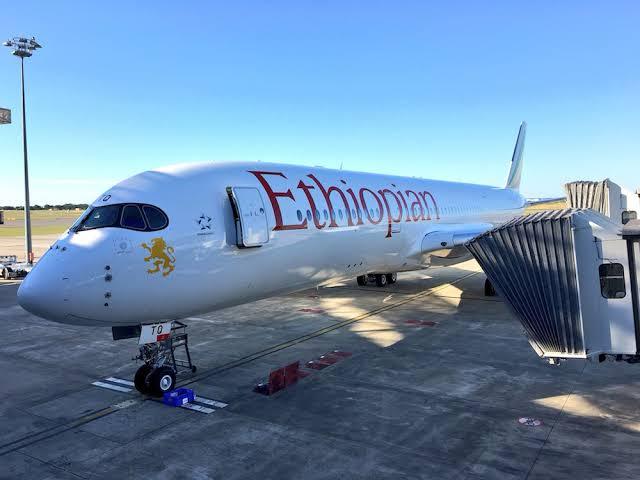
By: ThinkBusiness Africa Ethiopian Airlines Group, Africa’s largest aviation firm, announced on Tuesday a 14% surge in half-year revenue, reaching a record $4.4 billion. The performance, covering the first six months of the 2025/26 fiscal year, was driven by a strategic combination of fleet growth and a widening global network. Speaking at a press conference at the Ethiopian Skylight Hotel, Group CEO Mesfin Tasew confirmed that the results exceeded internal targets by 2%, despite a “complex” operating environment marked by global conflict and fuel price volatility. The carrier’s growth was felt across both passenger and logistics sectors. The airline carried 10.64 million passengers, an 11% increase year-on-year. Solidifying its role as a global logistics hub, the airline moved 451,000 tonnes of cargo, a 19% jump from the previous year. The fleet clocked nearly 334,000 flight hours during the six-month reporting period. The revenue spike is directly linked to the airline’s “Vision 2035” expansion strategy. During the half-year period, Ethiopian added seven new aircraft to its fleet, including: Airbus A350-1000 (The first of its kind in Africa), Boeing 737 MAX 8 Boeing 787-8 Dreamliners. This capacity boost supported the launch of three new international destinations—Hanoi (Vietnam), Porto (Portugal), and Abu Dhabi (UAE)—bringing the airline’s total international network to 145 destinations. Despite the stellar financial figures, Tasew noted that the half-year was not without obstacles. The CEO highlighted that restrictive visa policies in certain regions and ongoing geopolitical conflicts in the Middle East and neighboring regions have impacted specific flight frequencies. “Our revenue performance exceeded our plan, even as the operating environment became more complex due to aircraft shortages and volatile international security conditions,” Tasew told reporters. Just last month, Ethiopian Airline confirmed an order for nine Boeing 787-9 Dreamliners and officially broke ground on the $12.5 billion Bishoftu International Airport. Located 40km south of Addis Ababa, the project is designed to handle 110 million passengers annually by its final phase in 2030, dwarfing the current capacity of Bole International Airport.
Nigerian Naira anchors as foreign reserves hit 8-year peak of $47b
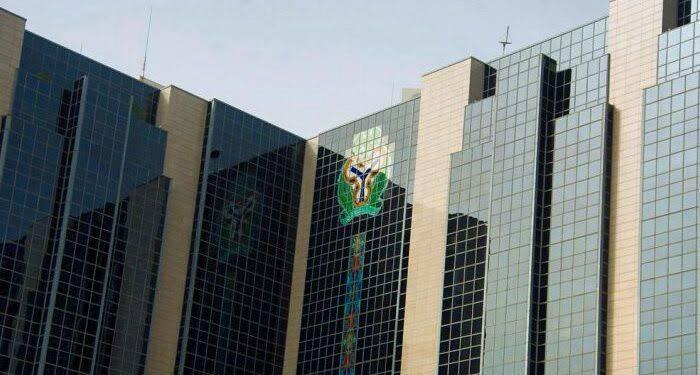
By: Chidozie Nwali Nigeria’s macroeconomic stabilization strategy reached a pivotal milestone on Monday as gross external reserves officially crossed the $47 billion threshold, providing a massive buffer that effectively “shields” the local currency against global and local volatility. According to the latest data from the Central Bank of Nigeria (CBN), the reserves closed Monday, at approximately $47.03 billion. This represents a staggering 14.5% increase from the $40.2 billion recorded at the end of 2024, placing Nigeria’s import cover at its strongest level since 2018. The rapid accretion of $5.8 billion in just over 14 months is being attributed to reforms being carried out at the CBN and also in the Nigerian economy. The full-scale operation of the Dangote Refinery (now eyeing a 1.4 million bpd capacity) has drastically reduced the monthly FX outflow previously required for fuel imports. Strategically, the CBN’s Electronic Foreign Exchange Matching System (EFEMS) has eliminated the “opaque” trading windows of the past, encouraging over $2 billion in monthly diaspora remittances to flow through official channels. With the Monetary Policy Rate (MPR) holding steady at 27.00%, foreign portfolio investors (FPIs) have flooded back into Nigerian sovereign bonds, seeking the highest real returns in Sub-Saharan Africa. The impact on the Naira has been “monumental,” according to market analysts. On Monday, the Naira appreciated by 0.9% at the Nigerian Foreign Exchange Market (NFEM), closing at N1,354.26/S$1—its strongest level in two years. The CBN in its macroeconomics outlook remains bullish, projecting that reserves will hit $51.04 billion by December 2026. With inflation cooling to 15.15% and reserves at an eight-year high, the “Naira-stability” narrative appears to be transitioning from a temporary reprieve to a structural reality.
Uganda’s central bank holds policy rate at 9.75% as inflation creeps toward 3.2%
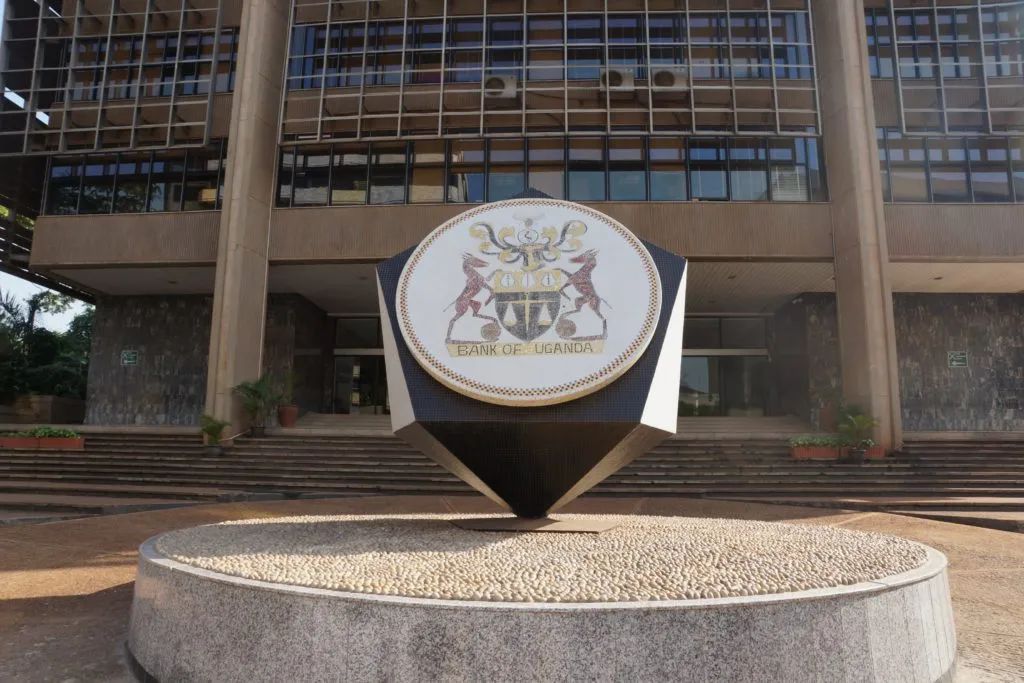
By: ThinkBusiness Africa The Bank of Uganda (BoU) on Monday maintained its benchmark Central Bank Rate (CBR) at 9.75% for the sixth consecutive meeting. The decision signals a “wait-and-see” approach by the Monetary Policy Committee (MPC) as the nation navigates a slight uptick in domestic prices and prepares for a transformative shift toward oil production. While the BoU maintains a medium-term inflation target of 5%, recent data suggests a minor shift in price dynamics. Annual headline inflation rose to 3.2% in January 2026, up from 3.1% in December. Core inflation, which excludes volatile food and energy prices, also edged higher to 3.3%. “The current monetary policy stance remains appropriate to contain inflation within the target while supporting the recovery of the economy,” noted Governor Michael Atingi-Ego during the policy announcement. The central bank and the Ministry of Finance have slightly revised their near-term growth expectations. While earlier optimistic forecasts suggested double-digit growth, the 2026 real GDP projection has been moderated to a range of 6.5% – 7.0%. The adjustment reflects a more cautious assessment of global trade barriers and a slight shift in the timeline for “first oil,” now widely expected by mid-to-late 2026. Despite this revision, Uganda remains one of the fastest-growing economies in Sub-Saharan Africa. For the private sector, the hold at 9.75% means that commercial bank lending rates—which have historically averaged near 20% in Uganda—are unlikely to see relief this quarter. High borrowing costs continue to act as a headwind for local firms in the Manufacturing & Construction sector looking to expand ahead of the oil boom. Continued infrastructure investment in the Tilenga and Kingfisher projects remains the primary driver of Foreign Direct Investment (FDI). Risks to the Outlook However, the ongoing conflicts affecting global shipping routes could spike energy and transport costs; and slower-than-expected rainfall could impact agricultural output, driving up food inflation, which accounts for 27% of the Consumer Price Index (CPI) basket, these primary risks that could force a rate hike later this year.
#ABC2026: Africa lacks investable projects, not capital, says investment banker Adam Cisse
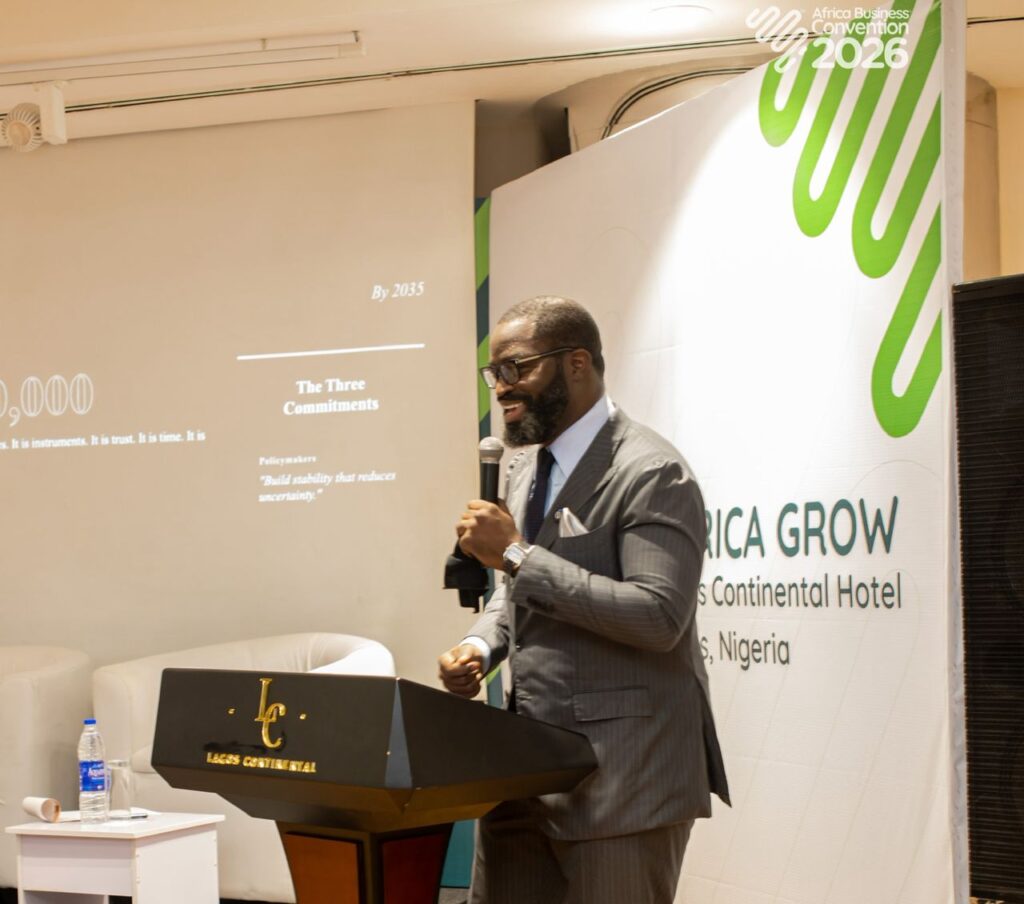
By: ThinkBusiness Africa A global financial system with trillions in capital is seeking a home, yet African infrastructure remains starved for funding. According to industry experts, the continent does not have a money problem; it has a project preparation crisis. While delivering a keynote address at the 2026 African Business Convention (ABC), Ismael Adam Cisse, an investment banker and Founder & CEO of Infinity Africa Group, emphasized that Africa’s growth is stunted by a lack of bankable infrastructural projects, rather than a lack of capital. Speaking on the theme “Africa Grow,” Cisse explained that while investors are ready to sign checks, they are navigating a landscape saturated with ambitious ideas that lack the legal, technical, and financial “bankability” required to move a project from a pitch deck to a construction site. He highlighted that for the continent to grow at a steady pace, it must build systems that allow for large-scale investment to bridge the infrastructural deficit currently slowing economic progress. “I believe Africa’s growth comes down to moves that turn ambition into load-bearing capacity,” Cisse said. “The first move is to build investible pipelines—not isolated projects, but pipelines that can be repeated, compared, and funded. Capital doesn’t fund dreams; capital funds systems.” He said. The scale of the challenge is reflected in the data. Roughly 600 million people—43% of Africa’s population—still lack access to grid electricity. While energy represents the single largest “investible” opportunity, it remains the continent’s largest deficit. Furthermore, Africa has the lowest road density in the world. Transport costs on the continent are 60% to 100% higher than in other developing regions, acting as a “silent tax” on every traded item. The crisis extends to basic necessities and digital futures. Over 400 million people lack access to safe drinking water, a sector that struggles to attract private capital because the “user-pays” model is difficult to implement for a basic human right. In the digital space, while mobile penetration is high, the “middle-mile”—fiber networks and data centers—is underfunded, limiting the continent’s ability to compete in the burgeoning AI and cloud economies. This infrastructure deficit reduces Africa’s GDP per-capita economic growth by roughly 2.6% annually. The barrier to entry remains high. It is estimated that preparing a project to be “bankable” can cost between 5% and 10% of the total project value. With investors often demanding a 3% to 5% higher return to offset the “perceived risk” of the region, roughly 80% of African infrastructure projects fail at the feasibility stage. To bridge this gap, Mr. Adam Cisse told entrepreneurs and policymakers at the convention that Africa needs financial instruments that match its unique reality: “blended finance, guarantees, Islamic finance, and robust capital markets.” He further called for the integration of domestic capital, including pension funds, insurance funds, and diaspora remittances. “One tool cannot build a city,” he concluded. “You need a toolbox.”
Nigeria Urges Global Economic Reset for Emerging Markets
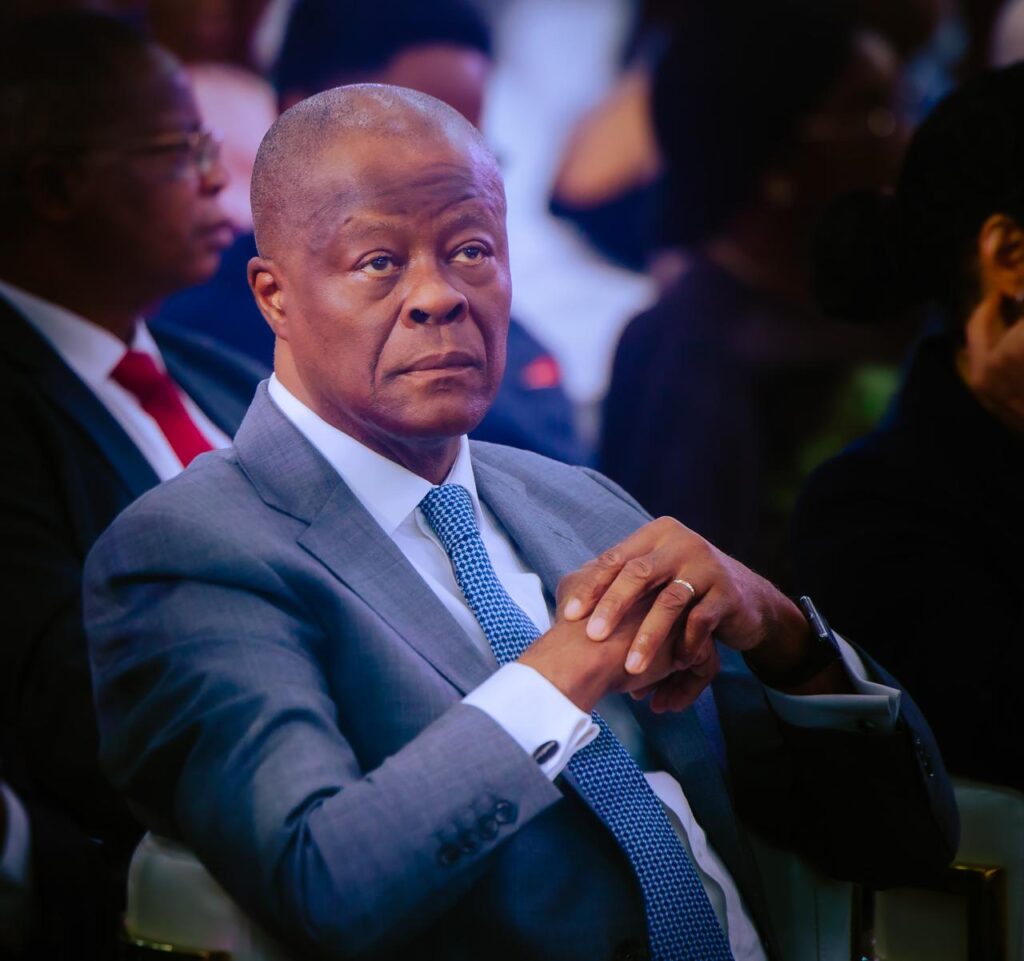
By: ThinkBusiness Africa Nigeria’s Minister of Finance and Coordinating Minister of the Economy, Wale Edun, has called for a fundamental “reset” of the global economic architecture to better reflect the rising influence and specific needs of emerging market economies. Speaking during a high-level panel at the Al Ula Conference for Emerging Market Economies, Edun joined fellow finance ministers and global heads—including IMF Managing Director Kristalina Georgieva—to deliberate on the future of international trade, monetary systems, and macroeconomic stability. The Minister argued that the current international financial framework requires a significant overhaul to become more inclusive. He emphasized that emerging markets must have a “stronger voice” in decision-making processes that dictate global capital flows and trade policies. “Nigeria remains committed to building stronger partnerships that advance a more equitable global financial architecture,” Edun stated, highlighting the necessity of policies that support sustainable growth rather than just crisis management. The Minister’s call for a “reset” aligns with his ongoing efforts to stabilize Nigeria’s economy through fiscal discipline and the attraction of foreign direct investment (FDI), as seen in his recent economic reforms. Historically, Nigeria’s economic framework was defined by a heavy, almost singular reliance on crude oil exports, leaving the national budget vulnerable to the whims of global price volatility. Financing was often sought through external debt and multilateral institutions under rigid conditions, while the domestic environment struggled with multiple exchange rate windows and a tax system that was fragmented and difficult to navigate. This “Old Framework” often prioritized immediate consumption and subsidy payments over long-term capital investment. However, Nigeria’s latest Framework signals a pivot toward diversified revenue and domestic resilience. Under the leadership of Wale Edun, the government has moved to consolidate over 60 disparate taxes into fewer than 10, specifically designed to protect small businesses and the poor while digitizing collection through the new Nigeria Revenue Service (NRS). Strategically, the focus has shifted from traditional Western lenders toward partnerships within the Global South, particularly with Gulf nations, to unlock new investment in infrastructure and the “Halal economy.” Most importantly, 2026 marks the transition from “painful stabilization”—such as the unification of the Naira—to a “Consolidation Phase,” where the primary goal is turning macroeconomic stability into visible growth and job creation across every ward in the country. Edun’s address was the recognition of Gulf nations as central players in the modern economic landscape. He noted their serving as a primary source of developmental capital for African and Asian markets and acting as a bridge between the Global North and South. The conference, co-organized by the Saudi Ministry of Finance and the International Monetary Fund (IMF), comes at a time of profound global transformation. Edun’s participation underscores Nigeria’s proactive stance in seeking international cooperation to bolster its domestic economic reforms.
Oil prices fall 1% as U.S.-Iran diplomatic talks deflates war tensions

By: ThinkBusiness Africa Global oil benchmarks tumbled more than 1% at Monday’s market open, reversing recent gains as investors breathed a sigh of relief following a constructive round of nuclear talks between Washington and Tehran. As of Monday morning, the two global benchmarks showed a clear retreat: Brent Crude dropped 89 cents, or 1.31%, to $67.16 per barrel. And West Texas Intermediate (WTI) Crude fell 79 cents, or 1.24%, to $62.76 per barrel. The dip reflects a significant cooling of geopolitical tensions in the Middle East, a region vital to global energy security. After weeks of heightened rhetoric and military positioning, the two nations concluded indirect discussions in Oman on Friday, signaling a mutual commitment to continue the diplomatic process. The talks, mediated by Oman, have provided a temporary “safety valve” for the market. Analysts noted that the “war premium”—the extra cost added to oil due to the risk of supply disruptions—is beginning to evaporate. Iran’s top diplomat described the Friday session as a “good start,” while U.S. officials, though cautious, indicated that a roadmap for future discussions is being outlined. This dialogue is particularly critical given that roughly 20% of the world’s oil consumption passes through the Strait of Hormuz, a maritime chokepoint that often becomes a flashpoint during U.S.-Iran escalations. However, traders are also monitoring a proposed European ban on services for Russian seaborne crude, which is already forcing major buyers like India to shift their sourcing strategies. Investors are now shifting their gaze to mid-week economic data, including U.S. inflation figures and reports from OPEC+, to see if global demand can sustain prices as geopolitical tensions fluctuate.
