
Ecobank hits historic N1.27 trillion pretax profit amid Pan-African expansion
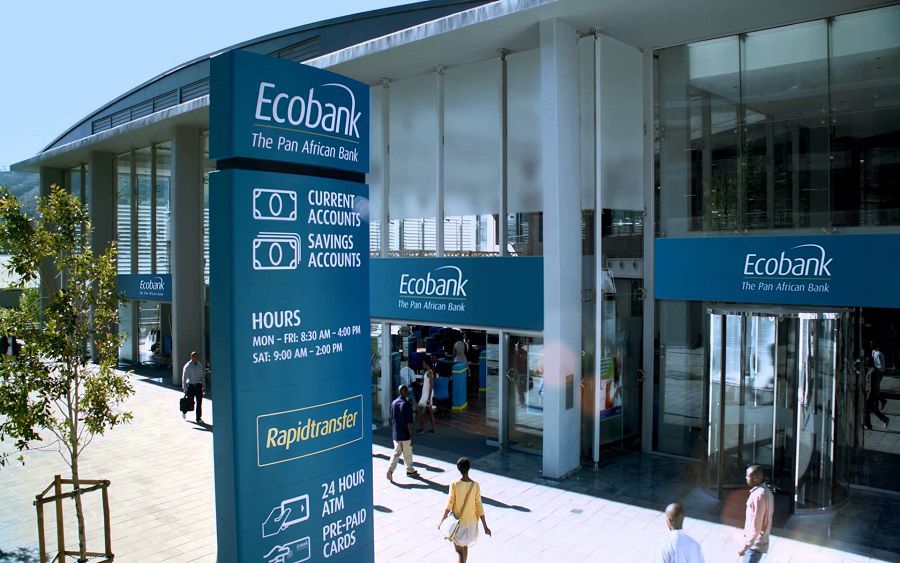
By:ThinkBusiness Africa Lagos, Nigeria – Ecobank Transnational Incorporated (ETI) reported an unaudited pretax profit of N1.28 trillion for the 2025 financial year. The result represents a massive 30% surge over the previous year’s performance, underscoring the success of the bank’s aggressive “Growth, Transformation, and Returns” (GTR) strategy. The pan-African financial institution’s performance was driven by a diversified revenue base and a sharp improvement in operational efficiency, with total assets now approaching the N50 trillion milestone. Ecobank’s 2025 financial performance was characterized by double-digit growth across all major indicators. The group’s gross earnings climbed 14% to N4.82 trillion, up from N4.21 trillion in 2024, while revenue grew by 18% to reach N3.67 trillion. This robust top-line expansion directly bolstered the bottom line, with profit before tax surging 30% to N1.28 trillion compared to N986.7 billion the previous year. Similarly, profit after tax saw a 29% increase, closing at N950.0 billion. This growth was supported by a strong appetite for the bank’s services, evidenced by customer deposits increasing 16% to N36.56 trillion, up from N31.64 trillion in 2024. A standout feature of the 2025 report is the bank’s lean operation. Ecobank’s cost-to-income ratio (CIR) dropped to 48.0%, down from 54.5% in the prior year. This is the lowest the bank has recorded in over a decade, signaling that it is successfully growing its top-line revenue without a proportional increase in administrative costs. “Our 2025 results reflect the resilience of our diversified model. By focusing on digital innovation and low-cost deposit mobilization, we have achieved a Return on Tangible Equity (ROTE) of 31.2%, delivering exceptional value to our shareholders.” Jeremy Awori, CEO of Ecobank Group said. With tangible book value per share rising by over 80%, analysts expect Ecobank to remain a top pick for investors looking for exposure to the African frontier market. The bank’s capital adequacy ratio remains robust at 16.8%, well above regulatory requirements, providing a solid cushion for further expansion in 2026.
Zimbabwe and IMF strike deal on 10-month reform roadmap
By: ThinkBusiness Africa The International Monetary Fund (IMF) and Zimbabwean authorities reached a staff-level agreement on Friday, on a new 10-month Staff-Monitored Program (SMP), aimed at Zimbabwe’s economic reintegration According to a statement from the IMF, the agreement follows ten days of intensive negotiations in Harare led by IMF mission chief Wojciech Maliszewski. The program aims to provide a “policy anchor” for the government’s National Development Strategy 2 (NDS2), focusing on stabilizing the volatile exchange rate and curbing inflation. Because Zimbabwe currently holds over $21 billion in external debt and arrears, it remains ineligible for direct financial loans from the IMF. The SMP serves as a vital “testing ground” to prove the country’s commitment to reform. “The proposed 10-month program seeks to consolidate recent stabilization gains, further strengthen fiscal and monetary policy frameworks, improve foreign exchange market functioning, and advance governance reforms to support stronger and more inclusive growth.” Maliszewski said. The IMF team noted that Zimbabwe’s economic recovery has gained momentum, with inflation dropping to 4.1% in January 2026. The new program sets ambitious targets for the remainder of the year: Growth is expected to remain steady at approximately 5%, with inflation projected to stay in the single digits. To meet the requirements of the agreement, the Zimbabwean government has committed to several rigorous structural changes: In a nod to the impact of reforms on the public, the IMF emphasized that a portion of fiscal savings must be redirected to protect the most vulnerable populations. The agreement now moves to IMF Management for formal approval, which is expected by March 2026. While local business leaders have expressed “cautious optimism,” many recall the 2019 SMP that was abandoned after the country failed to meet its targets. The next 10 months will be a high-stakes period for Harare as it attempts to convince the world that this time, the reforms are here to stay.
South Africa secures duty-free access to China, reshaping trade landscape
By: ThinkBusiness Africa In a landmark move poised to significantly reconfigure South Africa’s international trade strategy, Trade, Industry, and Competition Minister Parks Tau announced on Friday the signing of a framework economic partnership agreement with China. The accord, inked during Tau’s official visit to Beijing, paves the way for South African exports to gain duty-free access to the vast Chinese market. The agreement, formally known as the China-Africa Economic Partnership Agreement (CAEPA), represents a pivotal step in strengthening economic ties between the two nations and is seen by analysts as a strategic “pivot to the East” for South Africa. Minister Tau’s office confirmed the signing on Friday, following a productive three-day visit to the Chinese capital. “This agreement marks a new chapter in our economic relationship with China, opening unparalleled opportunities for South African businesses and exporters,” read a statement from the Department of Trade, Industry and Competition. “It is a deliberate effort to diversify our export markets and foster greater economic resilience.” The timing of this agreement is particularly pertinent. South Africa has been actively seeking to bolster its trade relationships following the imposition of 30% tariffs by the United States on a range of South African goods in August 2025. This development, which strained already complex U.S.-South Africa relations, has accelerated Pretoria’s efforts to reduce its reliance on traditional Western markets. For over 15 years, China has been South Africa’s largest trading partner. This new agreement, however, elevates their relationship from a significant partnership to a formalized “strategic cooperative partnership,” solidifying economic collaboration beyond mere transactional trade. Beyond duty-free access, the framework is also expected to stimulate substantial Chinese investment into South Africa’s critical infrastructure projects and manufacturing sectors, aligning with South Africa’s goals within the expanded BRICS+ economic bloc. Local industries, particularly those in the agricultural sector, are set to be major beneficiaries. Exporters of products such as citrus, wine, and beef could see significantly reduced costs and increased competitiveness in the lucrative Chinese market. This could provide a much-needed boost to South African farmers and producers facing global economic headwinds.
South Africa Private Sector Conditions Stabilize in January as PMI Reaches 50.0

By: ThinkBusiness Africa South Africa’s private sector successfully navigated out of a late-2025 slump to reach a point of stability in January, according to the latest S&P Global Purchasing Managers’ Index (PMI) released Wednesday. After a turbulent fourth quarter, the headline PMI climbed to 50.0 in January—up from a weak 47.7 in December. The 50.0 mark represents the neutral threshold between contraction and growth, signaling that the economy has stopped shrinking and is beginning to level out. This shift indicates that the sharp contraction seen at the end of 2025 has leveled off, with both business output and new order volumes steadying. While the services sector remained somewhat quiet and total exports continued to struggle, companies reported a slight uptick in domestic new business, signaling a fragile but welcome return of demand. Operational data from the survey suggests businesses are preparing for a more active year, as input buying surged at its fastest rate in four months. However, this increased activity contributed to supply chain disruptions, causing supplier delivery times to lengthen for the first time in nearly a year. Despite these logistical hiccups, the financial environment for businesses improved as overall input price inflation dropped to a three-month low. This cooling of price pressures was largely supported by a stronger Rand, which has gained more than 3% against the US Dollar since the start of the year, helping to offset rising salary costs and limiting the need for aggressive hikes in selling prices. New business volumes and total output remained largely unchanged in January, a major improvement over the “sharp drop” witnessed in December. While the services sector remains somewhat sluggish and exports saw a slight decline, domestic demand showed early signs of a “minor uptick,” according to survey respondents. Business owners received a reprieve as inflationary pressures eased to their lowest level in three months. A stronger Rand—which has gained over 3% against the US Dollar since the start of the year—helped dampen the cost of imported goods, effectively offsetting a rise in salary costs. This led to the softest increase in selling prices since last October. The South African Reserve Bank (SARB) recently kept the repurchase rate at 6.75%, noting that while inflation is stabilizing near their 3% target, they remain cautious of global “jitters.” However, business optimism remains high, with nearly half of all firms surveyed predicting an increase in activity over the next 12 months, citing new projects and improved energy reliability as key drivers.
ABC2026: Supply-Chain Failures Stalling Africa’s Trade Growth
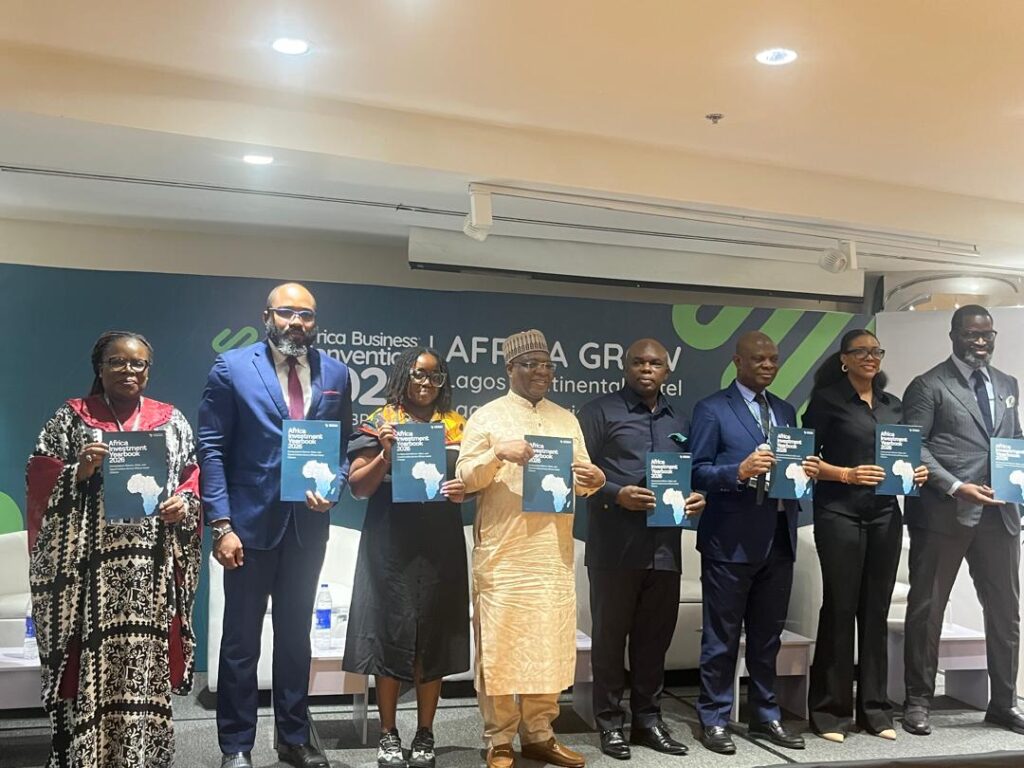
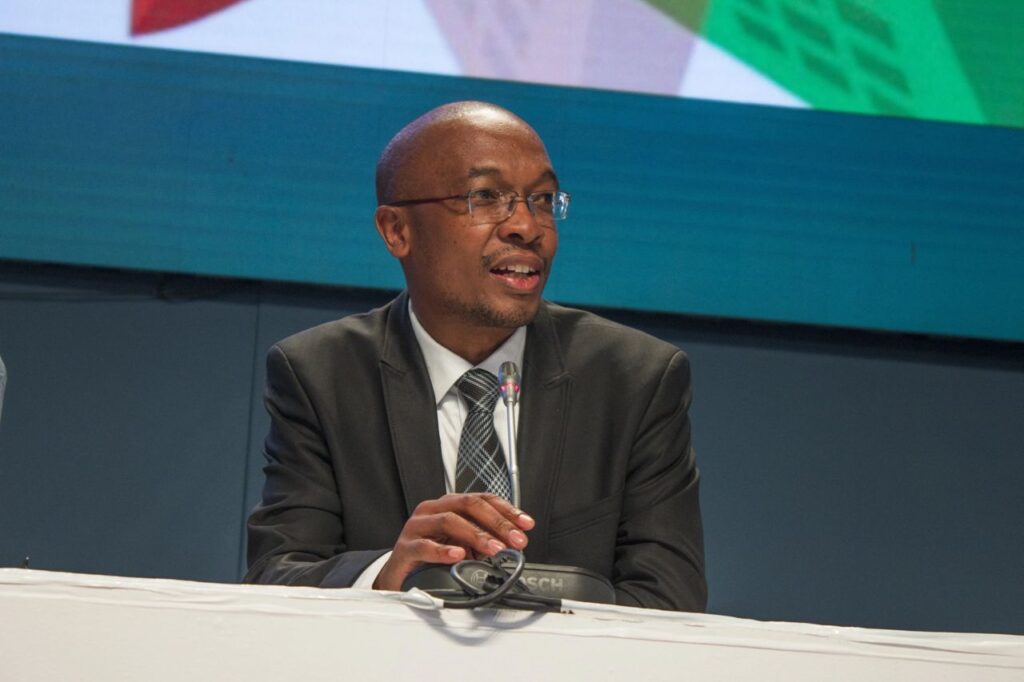
By: ThinkBusiness Africa LAGOS, Nigeria — While intra-African trade saw a significant $220 billion rebound in 2024, systemic supply-chain failures continue to cap the continent’s economic potential. Speaking at the African Business Convention (ABC) on Tuesday, Wamkele Mene, Secretary General of the African Continental Free Trade Area (AfCFTA), warned that despite the trade body’s mandate, infrastructure gaps and geopolitical shifts remain ‘heavy bottlenecks’ for the private sector. Addressing industry leaders under the theme “Africa Grow,” Mene emphasized that while the private sector is the primary engine of regional trade, it is being throttled by a lack of reliable power and fragmented transportation logistics. “Even with a trade arrangement in place, if you do not have supply-chain networks, the logistics and transport sectors cannot help the private sector move fast enough,” Mene stated. He illustrated the point with a stark example: “If milk from Uganda cannot move seamlessly to Nigeria, the trade agreement will not succeed, regardless of how well-drafted the document is.” The data supports this concern. While the AfCFTA aims to boost intra-African trade by over 50%, roughly 40% of the continent’s roads remain in poor condition. In some nations, the cost of simply maintaining existing infrastructure consumes up to 3% of annual GDP. Mene further highlighted that security checkpoints and informal tolls along major corridors—such as the Abidjan-Lagos route—effectively act as a “private tax.” These delays and unofficial costs often double the price of transport before a product reaches its destination. To combat this, he urged African governments to go beyond signing agreements and prioritize the enforcement of local trade legislation that aligns with AfCFTA protocols. To address these systemic gaps, the AfCFTA is currently collaborating with the African Export-Import Bank (Afreximbank) and the African Development Bank (AfDB) to modernize supply-chain networks specifically tailored for private sector needs. Echoing Mene’s call for structural stability, Nigeria’s Minister of Finance and Coordinating Minister of the Economy, Wale Edun—represented by Permanent Secretary Raymond Omenka Omachi—asserted that growth must be domestically driven. Edun highlighted that recent Nigerian reforms, including the removal of fuel subsidies and the unification of the foreign exchange market, were designed to create a level playing field. “These reforms are not ends in themselves,” Edun stated. “They are about building a competitive economy where effort is rewarded, capital is productive, and opportunity is broad-based.” The urgency for these reforms is underscored by the resilience of small and medium enterprises (SMEs). According to Afreximbank’s 2024 trade report, intra-African trade grew by 12.4% last year, largely driven by SMEs. Accounting for 90% of all businesses and 80% of employment in Africa, SMEs have become the primary “lever” for trade recovery. The AfCFTA has now moved from policy to practice to support this momentum, specifically through the Guided Trade Initiative, which currently sees 37 countries trading under a unified regulatory framework.
Nigeria to Export Real-Time Payment Expertise to Emerging Global Markets
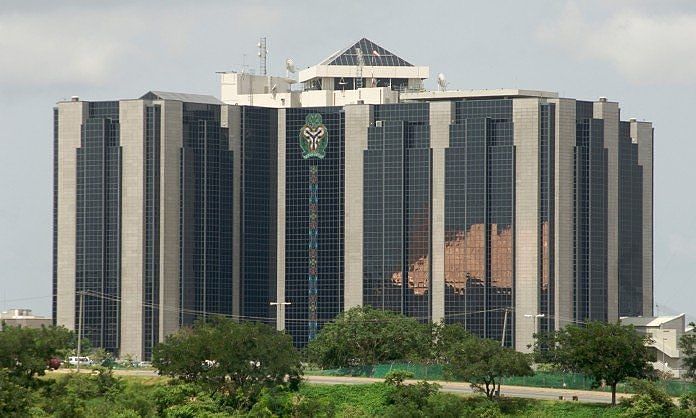
By: ThinkBusiness Africa The Central Bank of Nigeria (CBN) has unveiled a strategic blueprint to transform the nation from a continental leader into a global “rule-setter” for financial technology. CBN’s latest report, “Shaping the Future of Fintech in Nigeria,” released on Monday, outlines aggressive plans to export Nigeria’s regulatory success and payment infrastructure across the African continent. A cornerstone of the new strategy is the introduction of a “Regulatory Passporting” framework. This initiative aims to create mutual recognition of licenses between Nigeria and other major African markets, such as Ghana, Kenya, South Africa, Uganda, and Senegal. Currently, 62.5% of Nigerian fintech firms have plans for regional expansion. The passporting model would allow these firms to enter new markets with significantly reduced compliance hurdles, positioning Nigeria as the primary regional hub for digital financial services. “In support of this, an equal share (62.5%) endorsed the concept of a regulatory passporting framework, which would allow for mutual recognition of licences across jurisdictions” CBN report noted. Nigeria is already a pioneer in digital infrastructure, having launched nationwide real-time interoperable payments in 2011—years ahead of many developed nations. In 2024, the country processed nearly 11 billion transactions, cementing its status as the continent’s clear leader in payment adoption. The CBN now seeks to leverage this maturity by: Trialling interoperability between Nigeria’s and Ghana’s payment systems to facilitate real-time regional settlement. Hosting representatives from nearly 20 central payment switches across Africa to share lessons on cross-border interoperability and harmonized standards. The CBN will be engaging in “South-South” corridors with peer jurisdictions in Asia and the Americas to internationalize Nigerian fintech firms. Central Bank Governor, Olayemi Cardoso emphasized that this expansion must be built on a foundation of “unwavering integrity”. A significant milestone in this journey was Nigeria’s recent exit from the Financial Action Task Force (FATF) “grey list” late last year. This move has restored international confidence and is expected to further reduce frictions for cross-border financial flows. To support smaller firms in this aggressive expansion, the CBN is exploring a “Compliance-as-a-Service” (CaaS) model. This shared utility would reduce the cost burden of meeting complex regulatory requirements, which 87.5% of stakeholders currently cite as a major barrier to innovation. The expansion plans align with the Payments System Vision 2025, which targets near-universal e-payment penetration by 2030. By harmonizing regulations across borders and strengthening its domestic infrastructure, Nigeria aims to define the “regulatory and innovation norms” for the future of finance across Africa.
Nigerian tiers of government Share N1.928 trillion as VAT revenue dips

By: ThinkBusiness Africa The Federation Account Allocation Committee (FAAC) has officially disbursed a total of ₦1.928 trillion to the three tiers of (Federal, state, local) government for December 2025, Nigerian Bureau of Statistics (NBS) posted on Monday. This distribution, drawn from a gross total revenue of ₦2.343 trillion generated in November, reflects a tightening fiscal environment as key consumption tax indices fluctuated. While the gross revenue remains robust, the distributable pool saw a slight contraction compared to the previous month. The difference of approximately ₦415 billion between gross earnings and the shared amount was swallowed by the cost of revenue collection by the Nigerian Revenue Service and Customs, alongside mandatory statutory transfers and refunds. According to the NBS data, the Federal Government maintained the largest slice of the pie with ₦747.159 billion; though State and Local governments saw significant inflows to manage year-end obligations, with both receiving ₦601.731 billion, and ₦445.266 billion respectively. Oil-producing states received an additional ₦134.355 billion (13% of mineral revenue) to address environmental and developmental challenges in the Niger Delta. The November performance was defined by a noticeable dip in Value Added Tax (VAT) collections, which fell to ₦485.838 billion. Analysts suggest this minor “pre-holiday” slump was offset by steady Statutory Revenue, which remains the backbone of the account at ₦1.403 trillion. Early data for the subsequent month (December 2025 revenue, shared in January/February 2026) suggests a swift recovery. Preliminary figures indicate the distributable pool has climbed back up to ₦1.969 trillion, spurred by a surge in holiday spending and increased import duties.
Nigeria’s businesses hits first January contraction in over a decade
By: ThinkBusiness Africa For the first time in the history of the Purchasing Managers’ Index (PMI) survey, Nigeria’s private sector began the year in contraction territory, ending a 13-month streak of consecutive growth. The headline PMI fell to 49.7 in January 2026, down sharply from 53.5 in December 2025, according to the latest Stanbic IBTC PMI report. This drop below the 50.0 “no-change” threshold signals a slight deterioration in business conditions, a phenomenon not seen in a January report since the survey’s inception in 2014. The downturn was primarily driven by a “broad stagnation” of new orders, which halted a 14-month sequence of continuous growth. Business analysts attribute this to a typical post-festive demand weakness that often follows high spending in December. While sectors like agriculture, manufacturing, and services managed to record marginal growth, the wholesale and retail sector bore the brunt of the slowdown, falling significantly below the growth threshold. Despite the cooling of demand, Nigerian companies faced rising costs: Output price inflation hit a four-month high as firms passed on higher purchase costs to consumers. According to the survey, wages rose at the fastest pace since July 2025, with businesses reporting they increased pay to help employees navigate higher living costs. Input prices surged to a three-month high due to more expensive raw materials. Despite the muted start to the year, the employment landscape remained resilient. Staffing levels increased for the eighth consecutive month, maintaining a pace similar to the end of 2025. This continued hiring, combined with stable new orders, allowed many companies to clear their backlogs of work at the fastest rate since March 2025. Business confidence took a slight dip in January, yet Nigerian firms remain largely optimistic about the year ahead, citing plans for expansion and hopes for a recovery in new orders. “Despite the negative surprise in the PMI numbers in January, we still see the Nigerian economy growing by 4.1% y/y in 2026,” said Muyiwa Oni, Head of Equity Research West Africa at Stanbic IBTC Bank. Analysts expect demand to pick up as government investments in infrastructure and the forward-linkage impact of the Dangote refinery take root in the coming months.
Does First Bank’s N748bn confession signal the end of audit credibility in Nigerian banking?
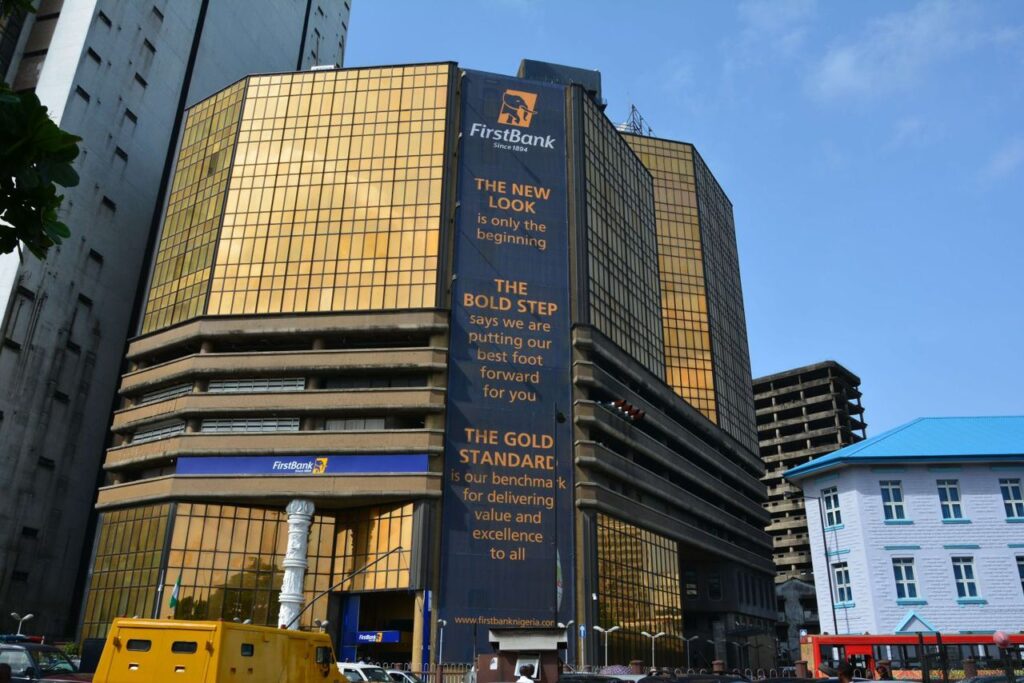
By: Chidozie Nwali As the primary external auditor for First Bank Nigeria Holdings (FBNH), KPMG Professional Services now finds itself in the crosshairs of a brewing corporate scandal. The numbers—a N748.1 billion impairment charge and a N407.8 billion loss—are not just a management failure. They are a direct challenge to the credibility of the “clean” audit opinions issued by KPMG in the years leading up to this confession. Last Saturday, Femi Otedola, Group chairman of FBNH, admitted that the company lost 92% of its 2025 profit to bad loans. However, a look at FBNH 2025 unaudited financial records shows most of the bad loans were only discovered in the 4th quarter of 2025. “At First HoldCo we decided to clean house properly. We took a huge one time hit of ₦748 billion to admit old bad loans instead of pretending they do not exist.” Otedola expressed in a series of posts on X (formerly Twitter). The Quarter-Four “Dump”: A Forensic Red Flag Over 60% of the bad loans, a staggering N459.2 billion were discovered only in the last quarter of the year, making the timing of the confession the most damning evidence in the audit process. Banking experts agree: you do not wake up and discover three-quarters of a trillion naira in bad debt overnight. Loans deteriorate over cycles, yet FBNH has sailed through recent audits with “unqualified” opinions. This “Fourth Quarter Dump” suggests that KPMG may have accepted management’s optimistic valuations of collateral and repayment capacity that have now been proven hollow. The Sector-Wide Disconnect The gravity of the FBNH “confession” becomes undeniable when compared to the broader Tier-1 banking sector. While the industry average for Non-Performing Loans (NPL) hovered around a manageable 4.5% to 5% for major players, FBNH’s ratio surged to a staggering 12.9%, effectively triple the 4.07% reported by GTCO and nearly three times Zenith Bank’s 4.2%. While Access Holdings and Zenith Bank maintained impairment charges in the range of N150 billion to N230 billion, FBNH’s N748.1 billion charge stands as a massive outlier. This divergence suggests that while peers were progressively managing defaults, FBNH was potentially deferring the inevitable, all while maintaining a dividend-paying facade that has now been abruptly suspended. Despite the loss, Otedola boasted that the company is now moving forward “stronger” after clearing the bad loans at the expense of its shareholders. The Personnel and “Other” Expense Black Hole The audit credibility gap widens when looking at the income statement. While shareholders absorbed a N407.8bn loss, the company’s personnel expenses skyrocketed to N385.9bn (nearly 4 times the previous year). According to the FBNH financial report, “Other Operating Expenses” consumed N809.4 billion, a nearly 600% increase from previous year. In a credible audit environment, a “miscellaneous” bucket of this size is a red flag. It could contain legal settlements, related-party write-offs, or deferred losses from previous years that should have been recognized under KPMG’s watch in 2023 or 2024. If auditors cannot (or will not) force a piece by piece breakdown of nearly a trillion naira in “other” costs, the audit itself becomes a legal formality rather than a shareholder safeguard. KPMG has been the company’s Auditor for close to a decade, with a change in sight, as regulatory limits auditing firms to 10 years. KPMG has been FBNH auditors since 2016, with their contracts expected to end this year. Advertising takes 25% Another mismanagement is the N185 billion spent on advertising. While the bank was burning capital and heading toward a N407.8bn loss, it allocated over 25% of its operating budget to image-making, while its peers allocated just 5%. An auditor’s job is to ensure that “Going Concern” assumptions are valid and that management is acting with prudence. When a bank prioritizes billboards over the balance sheet—and the auditor remains silent—trust is the first casualty. If KPMG’s final 2025 audit report mirrors these unaudited numbers, it will be a tacit admission that their reports for 2022, 2023, and 2024 were materially disconnected from the bank’s true economic health. In those years, KPMG certified that the financial statements gave a “true and fair view.” Today, N748 billion says otherwise.
Diplomatic fallout: South Africa and Israel expel top envoys in reciprocal Snub
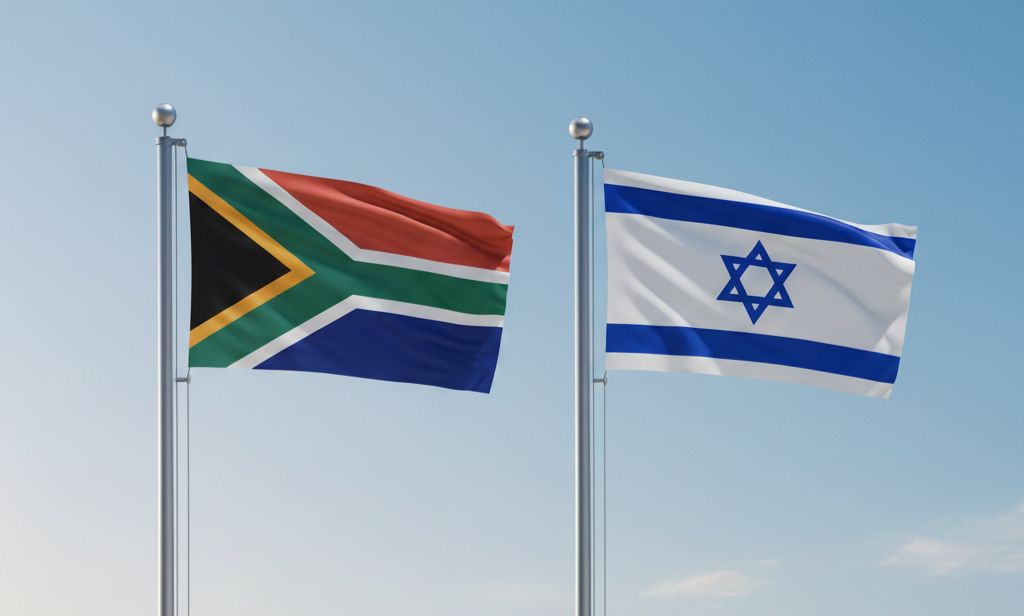
By: ThinkBusiness Africa Relations between South Africa and Israel reached a new breaking point on Friday, as both nations engaged in a high-stakes “tit-for-tat” expulsion of their most senior diplomatic representatives. The crisis began when Pretoria declared Israel’s chargé d’affaires, Ariel Seidman, persona non grata, giving him 72 hours to leave the country. Within hours, the Israeli government retaliated by ordering South Africa’s representative to Palestine, Shaun Edward Byneveldt, to depart Israel within the same timeframe. The South African Department of International Relations and Cooperation (DIRCO) cited a “series of unacceptable violations” as the grounds for Seidman’s expulsion. Pretoria accused the Israeli embassy of using official platforms to launch “insulting attacks” against President Cyril Ramaphosa. While specific posts weren’t detailed in the formal statement, officials described the conduct as a systemic undermining of bilateral trust. South African officials were reportedly incensed by a recent four-day visit by an Israeli delegation to the Eastern Cape. The delegation, led by David Saranga, met with AbaThembu King Buyelekhaya Dalindyebo to discuss agricultural and healthcare aid without notifying the national government—a move Premier Oscar Mabuyane called a “sinister” breach of sovereignty. The Israeli Foreign Ministry dismissed South Africa’s move as “unilateral and baseless.” In a statement released via X, Prime Minister Benjamin Netanyahu and Foreign Minister Gideon Sa’ar finalized the decision to expel Byneveldt, characterizing the move as a response to South Africa’s “false attacks in the international arena.” “Such actions represent a gross abuse of diplomatic privilege and a fundamental breach of the Vienna Convention,” DIRCO stated on Friday. The diplomatic breakdown began in December 2023 when South Africa formally filed a case against Israel at the International Court of Justice (ICJ), alleging acts of genocide in Gaza. This legal move prompted Israel to recall its ambassador for “consultations” in November 2023, leaving Ariel Seidman as the top envoy in Pretoria. By January 2024, the ICJ issued a landmark preliminary ruling, finding the genocide claims “plausible” and ordering Israel to take all measures to prevent such acts. The timing of the expulsion is particularly sensitive for South Africa’s standing with the United States. Under the current Trump administration, Washington has been increasingly critical of Pretoria’s foreign policy, specifically its ties to Iran and its vocal opposition to Israel. Analysts suggest that this latest move could accelerate a shift in U.S.-South Africa relations, potentially impacting trade agreements or South Africa’s role in future G20 summits. The U.S had boycotted the last G20 submit held in South Africa last year, with president Trump saying South Africa won’t be invited to the next G20 summit, scheduled for later this year in Miami, Florida, U.S.A.