
Madagascar ends 16-Year mining freeze to unlock critical mineral wealth
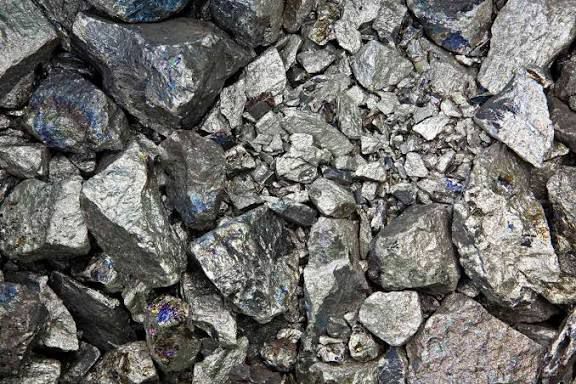
By:ThinkBusiness Africa The government of Madagascar officially lifted a 16-year moratorium on the issuance of new mining permits late Thursday. The decision reopens one of the world’s most resource-rich nations to international investors, though the government notably excluded gold from the new directive. The suspension, which had been in place since November 2010, was originally intended to curb corruption and “speculative” permit holding during a period of intense political transition. However, the freeze resulted in a massive administrative logjam, with approximately 1,650 permit applications left pending as of the end of 2025. The latest reopening of new mining permits comes with full implementation of the 2023 Mining Code. This updated legal framework seeks to strike a balance between investor security and state revenue. Under this framework: the government now holds a 15% non-dilutable stake in mining projects. Royalties and rebates have been adjusted, typically totaling around 5% (a 3% royalty and 2% mining rebate). New protections for investors aimed at ending the “arbitrary and discretionary” permit process that Transparency International previously warned was a breeding ground for corruption. While permits for nickel, cobalt, graphite, and rare earths are now moving forward, the gold sector remains frozen. Minister of Mines Carl Andriamparany cited a massive disconnect between official data and reality. “According to official statistics for the past year… the volume of gold declared amounts to just over 13 kilograms,” Andriamparany stated. “In light of this situation, the government has acknowledged our current inability to effectively regulate the sector.” The “negligible” official figure stands in stark contrast to the thousands of miners active across the South African island nation, suggesting that the vast majority of Madagascar’s gold is being smuggled out through unregulated black markets. Major players already on the ground, such as Rio Tinto (QMM) and Ambatovy, have recently negotiated updated terms with the state. The lifting of the ban is expected to trigger a wave of Final Investment Decisions (FIDs) from junior miners who have been waiting over a decade to transition from exploration to active extraction. The reopening of the mining sector is a high-stakes gamble for President Andry Rajoelina’s administration. As it promises to boost a sector that currently contributes less than 5% to the national GDP.
Cheap borrowing: Africa Finance Corporation secures A rating from S&P global
By: Chidozie Nwali S&P Global Ratings has assigned its first-ever credit ratings to the Africa Finance Corporation (AFC), positioning the multilateral lender as one of the highest-rated investment-grade institutions on the continent. Earlier this week, S&P assigned the AFC an ‘A’ long-term and ‘A-1’ short-term issuer credit rating with a Positive Outlook. The move is expected to dramatically reduce the corporation’s borrowing costs, allowing it to funnel cheaper capital into critical sectors like power, logistics, and mining. Speaking on the announcement, AFC President & CEO Samaila Zubairu described the rating as a “strong validation” of the corporation’s financial health and governance. “This rating reinforces our standing in global capital markets and supports continued access to diversified, long-term funding sources,” Zubairu stated. “It allows us to continue our mission of being a catalyst for private investment in the assets critical to Africa’s economic transformation.” He said. The rating agency’s decision was underpinned by several key factors in the AFC’s 2024–2025 performance: S&P noted the AFC’s disciplined risk management, highlighting a non-performing loan (NPL) ratio of just 1.0% at the end of 2024. The corporation maintains liquidity buffers significantly higher than its peers, with a 12-month liquidity ratio of 3.1x. The agency praised the AFC’s ability to structure complex, cross-border transactions where private financing is often insufficient. The investment-grade status comes at a pivotal time for the AFC’s project pipeline. The corporation is currently a lead developer in the Lobito Corridor, a massive rail project linking the mineral-rich regions of Zambia and the DRC to the Angolan coast. With the new rating, the AFC aims to expand its total footprint—which has already seen $18.5 billion invested since its inception—into new greenfield renewable energy projects and digital infrastructure to bridge the continent’s internet gap. While the ‘A’ rating is a milestone, the Positive Outlook suggests S&P could raise the rating further within the next two years. This is contingent on the AFC successfully diversifying its shareholder base. The corporation is currently in “advanced discussions” with several nations, including South Africa, Algeria, and Mozambique, to join its current roster of 47 member states. The AFC’s 2024–2028 strategy aims to increase its equity base to $6.6 billion by 2028, further cementing its role as the “partner of choice” for African infrastructure development.
BUA foods profits surge 88% to N535bn as Naira stability drives record year
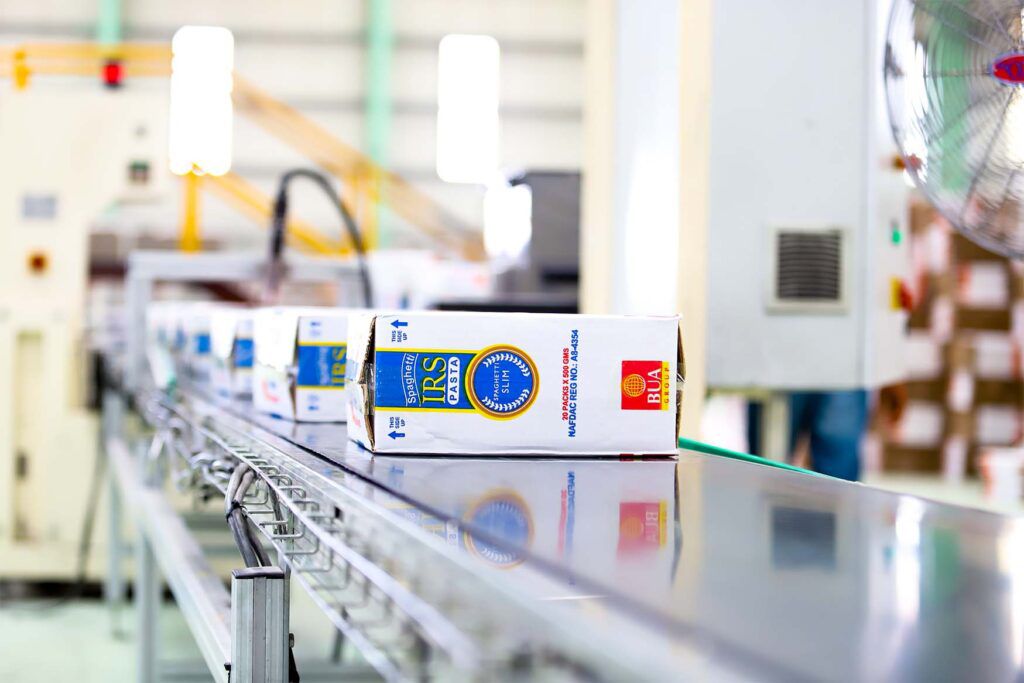
By: ThinkBusiness Africa BUA Foods Plc, Nigeria’s largest food company by market capitalization, has reported a landmark pretax profit of N534.8 billion for the 2025 financial year, nearly doubling the N284.3 billion recorded in 2024. The results, filed with the Nigerian Exchange (NGX) signal a major turning point for the consumer staples giant. While 2024 was defined by high inflationary pressure and exchange rate volatility, 2025 saw the company successfully translate revenue growth into massive gains, largely by stripping out the massive finance costs that previously plagued its balance sheet. BUA Foods reported a steady 18.1% growth in revenue, which climbed to N1.80 trillion from N1.53 trillion the previous year. The company’s efficiency was evident in its gross profit, which rose 24.3% to N672.1 billion, while operating profit grew by 19.8% to settle at N565.3 billion. The most striking aspect of the year’s financials was the 90.9% explosion in profit after tax, which soared to N507.7 billion compared to N266.0 billion in 2024. In 2024, BUA Foods was hammered by N203.2 billion in finance costs, much of it tied to foreign exchange losses. In 2025, these costs plummeted to just N21.9 billion, a staggering 89% reduction. This indicates that a more stable Naira allowed operating gains to flow directly to the bottom line rather than being consumed by debt servicing and currency devaluation. While Sugar and Flour remain the company’s “cash cows” (each contributing roughly 42% of revenue), the Rice division saw an exponential surge. Building on a 2,900% growth rate seen in the first half of the year, the division’s expansion into the local value chain has begun to contribute significantly to the group’s diversified income. Despite a 22% increase in the cost of raw materials and energy, BUA Foods maintained a strong Gross Margin of 37%. The company’s ability to pass on costs while increasing sales volumes suggests high brand loyalty and essential demand for its staples (Pasta, Flour, and Sugar). The company’s total assets climbed to N1.38 trillion, a 26.5% increase from the previous year. Shareholders’ equity also saw a massive boost, rising to N702.7 billion, driven by a 65% jump in retained earnings. “The results reflect our strong fundamentals, operational efficiency, and the resilience of our diversified business model. Amidst evolving macroeconomic dynamics, we remain focused on scale, affordability, and consistent value delivery to our customers and stakeholders,” said MD Ayodele Abioye in a statement accompanying the results. With Earnings Per Share (EPS) jumping from N14.78 to N28.21, investors are eyeing a potentially record-breaking dividend payout. BUA Foods’ stock has already been a top performer on the NGX.
Long-Term Investment: Nigeria’s Central Bank Governor Woos British Investors
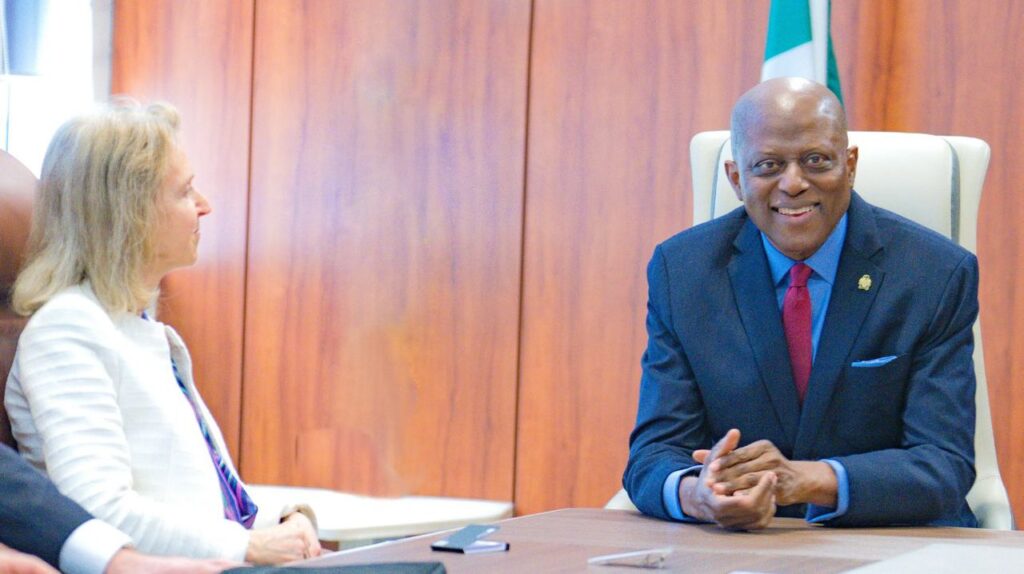
By: Chidozie Nwali Amid deepening efforts for foreign investment, the Governor of the Central Bank of Nigeria (CBN), Olayemi Cardoso, hosted a senior delegation from British International Investment (BII) and the British High Commission on Wednesday. According to the apex bank post on X (Twitter), BII Chair, Ms. Diana Layfield, alongside the British High Commissioner to Nigeria, Mr. Richard Montgomery was present as the meeting served as a cornerstone of the CBN’s 2026 strategy: transitioning from the aggressive currency stabilization measures of 2025 to a “long-term growth phase” powered by institutional development finance. Governor Cardoso’s meeting with Ms. Diana Layfield, Chair of BII, and Mr. Richard Montgomery, British High Commissioner, focused on deploying “patient capital”—investment that prioritizes long-term economic structural changes over short-term returns. Cardoso emphasized that the CBN is no longer just fighting inflation but is actively building a “transparent, data-driven regulatory framework.” This stability is designed to make the Nigerian banking sector resilient enough to act as a conduit for massive UK-backed investments. “Development finance institutions (DFIs) are key partners in our reform agenda,” Cardoso stated. “By providing long-term funding and fostering strong corporate governance, BII is helping us build a financial system that supports real-sector growth.” As of January 2026, Nigeria remains the second-largest recipient of BII investment in Africa, accounting for roughly 6.8% of its global portfolio. BII’s portfolio in Nigeria is valued at over $550 million, spanning 116 companies and supporting over 54,000 jobs. Their strategy for 2022–2026 classifies Nigeria as a “Powerhouse” country, focusing on three pillars: Productive, Sustainable, and Inclusive growth. BII-backed companies contributed $89.6 million in taxes to the Nigerian government in the last audited fiscal year. The visit comes as the CBN projects Nigeria’s external reserves to hit $51.04 billion by the end of 2026, supported by “organic growth” rather than foreign borrowing. By wooing BII, Cardoso is signaling to the wider global market that Nigeria’s monetary policies are yielding tangible partnerships with the world’s most disciplined investors.
African Development Bank Debars Kenyan Consultant for Fraud in Recruitment Scandal
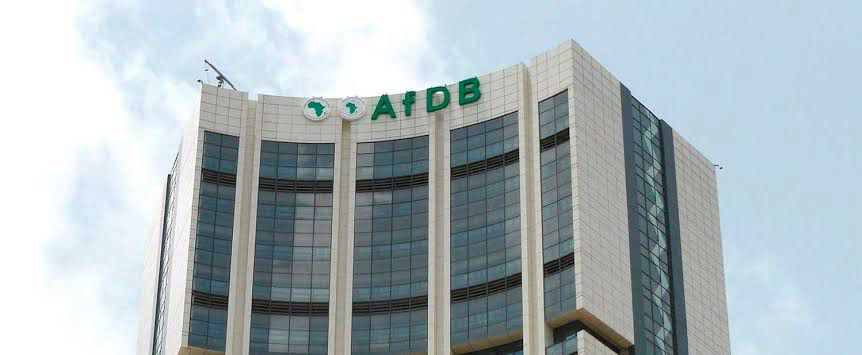
By: ThinkBusiness Africa The African Development Bank (AfDB) Group has officially cancelled any official dealings with Mr. Martin Obiero Achieng, a Kenyan national, for a period of 24 months following an investigation into fraudulent practices, AfDB said in a statement on Wednesday. According to the statement the sanction, which takes immediate effect, comes after the Bank’s Office of Integrity and Anti-Corruption (PIAC) uncovered evidence of deceit during a competitive recruitment process. AfDB’s said, Achieng engaged in “Fraudulent Practice” while applying for a consultancy position within the Bank Group. While the Bank did not disclose the specific details of the misrepresentation, such charges typically involve the falsification of academic credentials, past work experience, or professional references to gain an unfair advantage in the hiring process. Under the terms of the debarment, Achieng—and any entity under his direct or indirect control—is strictly prohibited from participating in any project or activity financed by the African Development Bank Group for the next two years. Unlike standard bans, this is a debarment with conditional release. To be eligible for reinstatement after the 24-month period, Achieng must prove he has successfully completed “suitable business ethics and anti-corruption training.” “An investigation conducted by the Office of Integrity and Anti-Corruption of the African Development Bank Group established that, in the context of a recruitment for a consultancy position within the African Development Bank Group, Mr. Martin Obiero Achieng committed a Fraudulent Practice.” AfDB noted. This is not the first time Achieng’s name has appeared in legal records. In 2021, Achieng was the respondent in a high-profile civil appeal in Kenya (Samwel Otieno Ochieng v Martin Obiero Achieng). In that case, the High Court of Kenya ultimately dismissed the appeal against him, but notably did so because the appellant failed to prosecute the case. The move against Achieng is part of a wider “clean-up” initiative by the AfDB. Within the last two months, the Bank has sanctioned several other East African firms, including Tetralink Taylor & Associates East Africa Limited, for similar fraudulent practices. Earlier this January, AfDB barred IYA S.A.R.L., a construction company in the Republic of Mali, from participating in any projects financed by the Bank Group for the next 20-month, AfDB accused the firm of “fraudulent practices” during the construction Guinea-Mali Electricity Interconnection Project (PIEGM). “The Office of Integrity and Anti-Corruption is responsible for preventing, deterring, and investigating allegations of fraud in Bank Group-financed operations,” the AfDB stated in its release,
Ghana slashes interest rate to 15.5%, lowest level in 4 years
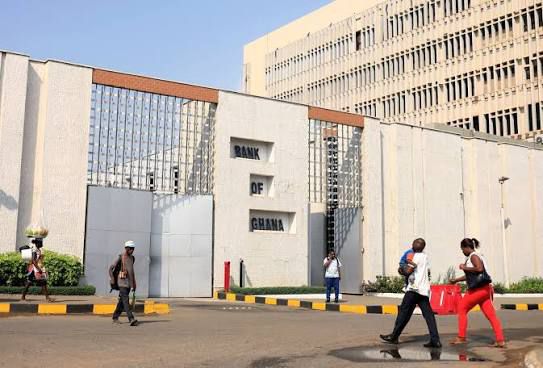
By: ThinkBusiness Africa The Bank of Ghana (BoG) slashed its benchmark policy rate by 250 basis points to 15.50% on Wednesday, marking the lowest interest rate level in four years, as the central bank tamed the inflationary beast that once threatened the nation’s economic foundation. The recent rate cut follows a record-breaking 2025 where the bank withdrew a massive 1,000 basis points from the headline rate, as it focused on lowering borrowing costs. The cycle began from a high of 28.00% in June 2025, a level maintained to crush the hyperinflation that had previously gripped the country. By July the Bank kicked off its easing strategy with a 300-basis-point cut, bringing the rate down to 25.00%. In September and November, as inflation began to fall faster than most analysts predicted, the Bank delivered two back-to-back “mega-cuts” of 350 basis points each. This brought the rate down to 21.50% in September and then to 18.00% by late November. In its first meeting of 2026, the Bank slashed the rate by another 250 basis points. This brought the current policy rate to 15.50%—the lowest it has been since early 2022. “With stability largely achieved, the focus of policy is gradually shifting toward consolidating these gains and supporting stronger real sector recovery,” Governor Johnson Asiama told reporters. The BoG’s confidence is rooted in a “disinflation miracle.” Just three years ago, Ghana was battling a peak inflation rate of 54.1%. As of December 2025, that figure has plummeted to 5.4%, comfortably within the central bank’s medium-term target band of 8%. Ghanaian Cedi (GHS) has remained remarkably resilient despite the narrowing interest rate differential. Bolstered by high gold prices and a narrowing fiscal deficit—projected to be just 2.2% of GDP in 2026—the currency has avoided the typical “capital flight” that often follows such deep rate cuts. Market analysts at Deloitte have revised their 2026 GDP growth projections upward to 5.9%, citing that lower borrowing costs will finally unlock private sector investment that has been frozen since the 2022 debt restructuring.
Turkey and Nigeria target $5 Billion trade surge amid deepening ties
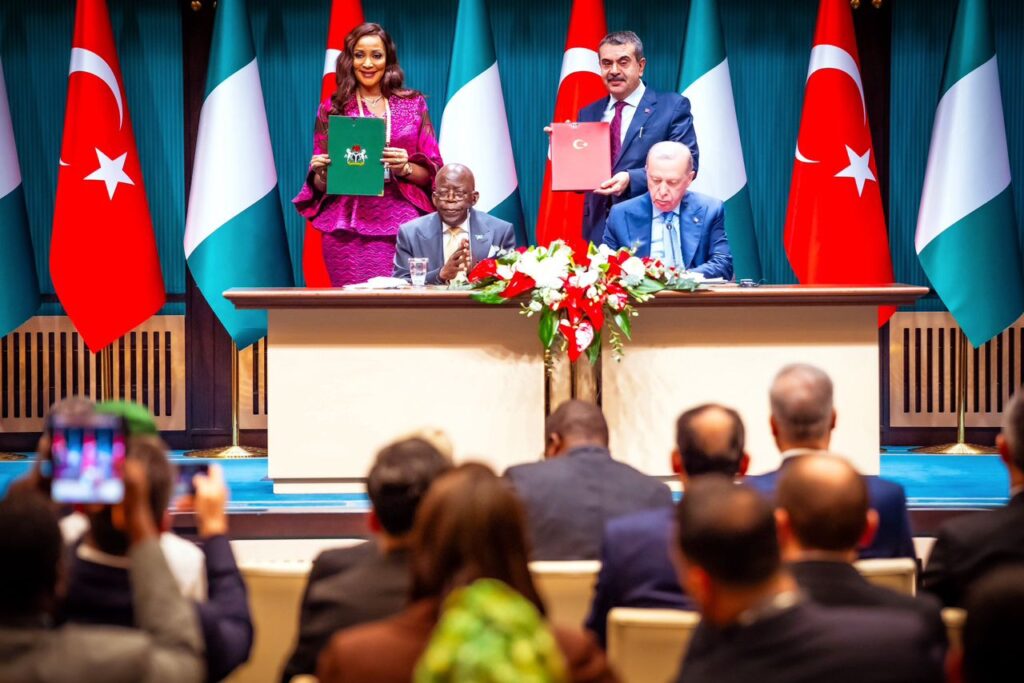
By: ThinkBusiness Africa following an official state visit to Turkey by the Nigerian president this week. Turkey’s President Tayyip Erdoğan and Nigerian President Bola Tinubu announced a bold plan to more than double bilateral trade from its current $2 billion to $5 billion. The move signals a strategic pivot for both nations: Turkey seeks to solidify its “Africa Partnership Policy,” while Nigeria continues its aggressive drive for foreign direct investment under the Tinubu administration. To bridge the gap between current trade levels and the ambitious new target, the two leaders established a Joint Economy and Trade Committee (JETCO). This body is designed to dismantle bureaucratic bottlenecks and provide a structured platform for Turkish investors. While Nigeria remains Turkey’s largest trading partner in Sub-Saharan Africa—primarily through crude oil and agricultural exports—the new agreements focus on expanding into textiles, manufacturing, and infrastructure. Over 50 Turkish companies currently operate in Nigeria with investments totaling approximately $400 million. Erdoğan expressed confidence that new reforms in Nigeria’s energy sector would unlock further opportunities for the Turkish Petroleum Corporation and private ventures. “We see significant potential in the fields of trade and investment. In today’s meetings, our commitment is to the $5 billion trade volume target, and we discussed the steps needed,” Erdoğan said. Security remained a cornerstone of the discussions, as president Tinubu seeks help to tackle persistent terrorism ravaging his west African country. President Erdoğan pledged Turkey’s “significant experience” in counter-terrorism to assist Nigeria in its battle against insurgency in the Sahel and the Lake Chad Basin. The partnership is already yielding hardware results. Nigeria recently took delivery of Turkish-manufactured T129 ATAK helicopters and is awaiting offshore patrol vessels to secure its maritime borders in the Gulf of Guinea. President Tinubu, joined by a high-powered delegation including the Ministers of Defence and Foreign Affairs, emphasized that Nigeria is “open for business without restrictions.” However, The visit was not without a minor incident; a brief “stumble” by President Tinubu on Tuesday during the official reception was quickly downplayed by the Nigerian presidency as a “fleeting incident” caused by a metal object on the floor, with aides confirming the 73-year-old leader remains in “great shape” to continue his diplomatic mission.
N1400/$: Naira Hits Monthly High as Dollar Retreats
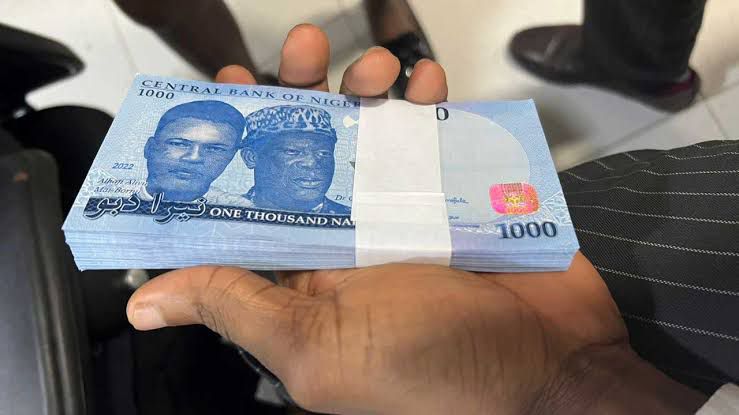
By: ThinkBusiness Africa The Nigerian Naira has surged to a record high for 2026, closing at N1,401/$1 in the official market on Wednesday. The rally comes as the US Dollar experiences a global cooldown, providing a window for the Central Bank of Nigeria (CBN) to consolidate recent currency reforms. Since the beginning of January 2026, the Naira has gained approximately 2.7% against the greenback. This performance marks a departure from the volatility seen in 2024 and 2025, signaling a transition from “emergency intervention” to “market-driven stability.” Economic analysts attribute this “Naira advantage” to a combination of internal policy success and external market shifts: The Electronic Foreign Exchange Matching System (EFEMS), which became fully operational in late 2024, has finally reached peak efficiency. By automating price discovery and curbing speculative “hoarding,” the platform has reduced the daily price swings that previously plagued the market. Nigeria’s external reserves have crossed $46 billion for the first time in eight years. The CBN has set an ambitious target of $51.04 billion by year-end, bolstered by steady oil production at 1.71 million barrels per day (mbpd). The CBN has maintained a “hawkish” stance, keeping the Monetary Policy Rate (MPR) between 20% and 22%. These high rates make Naira-denominated assets more attractive to foreign portfolio investors (FPIs). As the US Federal Reserve adjusts its stance on inflation, the global “DXY” Dollar Index has softened, easing the repayment burden on Nigeria’s dollar-denominated debts and reducing imported inflation. The CBN’s 2026 Macroeconomic Outlook remains “cautiously optimistic.” With inflation projected to moderate toward 12.94% by year-end (down from the highs of 2024), the current stability of the Naira is viewed as the “anchor” for broader economic recovery.
IMF concludes Zambia’s recovery program with final $190m payout
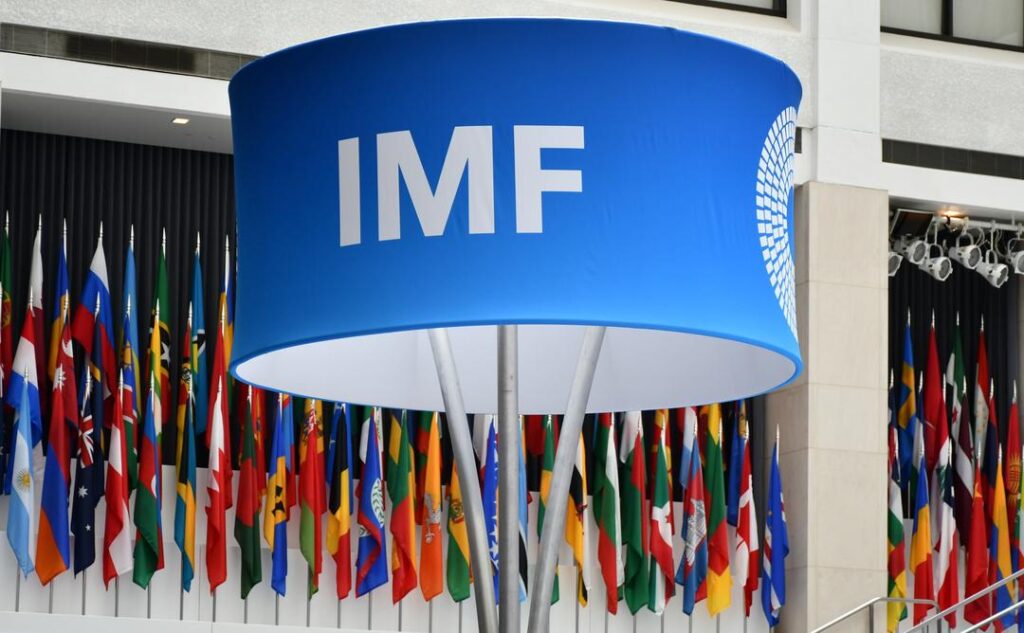
By:ThinkBusiness Africa The Executive Board of the International Monetary Fund (IMF) officially concluded the sixth and final review of Zambia’s Extended Credit Facility (ECF), marking the end of a transformative 38-month economic stabilization program. The approval triggers an immediate disbursement of approximately $190 million, bringing the total financial support provided since 2022 to $1.7 billion. The successful completion of the review signals a major milestone for the Southern African nation, which became the first African country to default during the COVID-19 pandemic in 2020. Despite a “broadly satisfactory” performance, the IMF noted that Zambia’s path to this final review was not without hurdles. The country battled a severe drought in 2024 and faced delays in some structural reforms. However, the Board lauded the government’s commitment to fiscal discipline and its landmark progress in restructuring external debt. Zambia has set an ambitious macroeconomic Projections for 2026 with GDP growth projected to reach 5.8% to 6.4%, driven by a resurgence in copper production and a record-high maize harvest. Inflation is expected to cool to 9.3%, moving closer to the central bank’s target range of 6–8%. And Public Debt was forecasted to drop significantly to 78.3% of GDP, down from over 110% at the start of the program. In a surprising move earlier this month, the Zambian government withdrew its request for a one-year extension of the current ECF. Instead, Finance Minister Situmbeko Musokotwane announced that Zambia would immediately begin negotiations for a successor program. “The government’s focus is now on leveraging macroeconomic stability to drive investment, expand productive capacity, and create jobs,” Dr. Musokotwane stated. The new framework is expected to shift away from emergency austerity toward “growth-oriented structural reforms,” prioritizing value addition in the mining sector and expanding electricity generation. The timing of the program’s conclusion is pivotal. President Hakainde Hichilema is entering a critical election year, with the general election scheduled for August 2026. The administration is betting that the restored international credibility and projected 6% growth will provide the “economic dividend” promised to voters when Hichilema took office in 2021. While the IMF’s exit from the current program signifies a vote of confidence, the Fund warned that “policy credibility must be defended” to ensure the gains of the last three years are not eroded by election-year spending pressures.
RwandAir: Why Rwanda views its national carrier as a macroeconomic engine
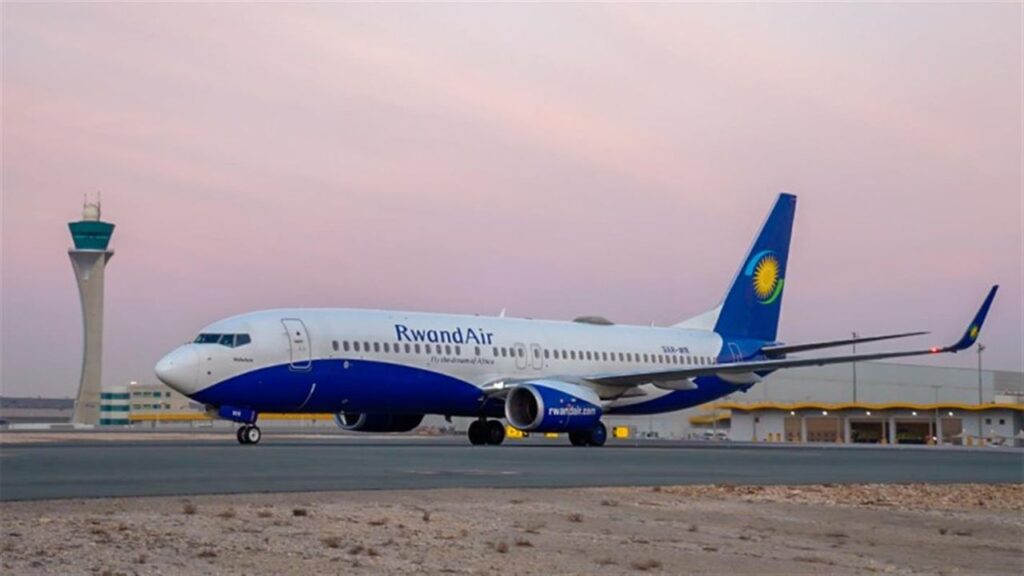
By: ThinkBusiness Africa Rwanda’s greatest economic challenge has historically been its geography. Being landlocked often means high costs for trade and limited access to global markets. RwandAir is the state’s primary tool for “unlocking” the nation. While critics often point to the heavy government subsidies required to keep the carrier aloft, the Rwandan government views these not as “bailouts,” but as strategic down payments on the country’s future. Rwanda’s 2025/26 National Budget specifically allocated funds to reflect direct subsidies for RwandAir. This is viewed as an investment in the “Aviation Ecosystem,” which is expected to support a 7.5% national GDP growth in 2026. For the fiscal year ending in 2024, RwandAir recorded total revenues of $464 million. This represents a massive 82% increase from the $253 million recorded in 2022. Breaking the “Landlocked” Trap By early 2026, data revealed that air travelers account for over 80% of Rwanda’s foreign exchange earnings from tourism. By controlling the “pipes” through which high-value visitors flow, Rwanda ensures that the wealth generated by gorilla trekking and luxury eco-tourism remains within its borders. According to the 2025 Semester 1 Travel Expenditure Survey, air travelers accounted for 83% of all foreign travel earnings in Rwanda with $101.1 million recorded in the second quarter of 2025 alone, while land travelers contributed only 17%. The airline’s pivot to cargo has allowed Rwandan exporters to bypass slow, expensive road networks through neighboring countries. In 2025, the carrier’s dedicated freighters became the primary artery for fresh agricultural exports—like the famed Rwandan chili and specialty coffee—reaching markets in Europe and the Middle East within 24 hours. The “Singapore of Africa” Strategy The 2025/2026 fiscal year saw Rwanda increase its spending to 28.7% of GDP, a significant portion of which was funneled into “priority investments”: RwandAir and the new Bugesera International Airport. Much like Singapore’s Changi or Dubai’s Emirates, Rwanda is building a “transit economy.” Currently, over 60% of RwandAir’s traffic consists of transit passengers. These travelers may never leave the airport, but their fees, fuel consumption, and connection requirements fund thousands of local jobs and support a burgeoning aviation services industry. Connectivity is the first question asked by international investors. By maintaining direct daily flights to London, Paris, and Dubai, Rwanda makes it easy for global CEOs to view Kigali as a viable regional headquarters, sparking a “halo effect” of investment in tech and finance. “The increased spending will support the construction of a new international airport and government priorities… Government investment is projected to increase… reflecting both spending on Bugesera and RwandAir projects.” Yusuf Murangwa, Rwanda’s Minister of Finance said. The Qatar Partnership The finalized 49% stake acquisition by Qatar Airways in 2025 has provided the financial “muscle” to back Rwanda’s ambition. This partnership has turned RwandAir into a credible global competitor, offering: Joint procurement and technical support to reduce the massive overhead of running a modern fleet. Access to Qatar Airways’ massive network allows RwandAir to sell tickets to virtually any city on Earth, effectively making Kigali a global gateway. “For a medium-sized airline like ours, operational costs really put a strain on our operations… but we are really focused on connecting Rwanda to the rest of African countries and beyond.” Yvonne Manzi Makolo, CEO of RwandAir said speaking on the balance between cost and the mission to bridge African connectivity gaps. More Than Just an Airline The airline’s steady growth took a significant leap in 2025 with the addition of two modern Boeing 737-800 aircraft in August, a move that reflects both ambition and preparation for a new aviation era anchored by the upcoming Bugesera International Airport. With the latest addition RwandAir’s fleet now stands at 16 aircraft, which flies all over the world. The fleet includes three Airbus A330s — connecting Kigali to Europe and Asia; six Boeing 737s — the workhorses for regional and medium-haul routes including the new -800 models; two Bombardier CRJ900s, which efficiently serve thinner regional routes; and two De Havilland Canada Dash 8-Q400s, turboprops used for short-haul flights within the East African region. RwandAir currently operates flights to two domestic destinations and 25 international destinations across 18 countries, spanning Africa, the Middle East, Europe, and Asia. Over the next five years, the airline plans to increase its fleet to 28 aircraft, expanding its reach to new long-haul markets while improving connectivity within Africa. As the fleet prepares to grow to 28 aircraft by 2029, the message from Kigali is clear: RwandAir is the infrastructure of the 21st century. In a world where speed is currency, Rwanda’s investment in its national carrier is the most effective way to ensure its economy doesn’t just grow—it soars.