Sinomine Resource Group confirmed on Thursday, that it has entered formal negotiations with Zimbabwean authorities to restart lithium exports following a sudden nationwide embargo.
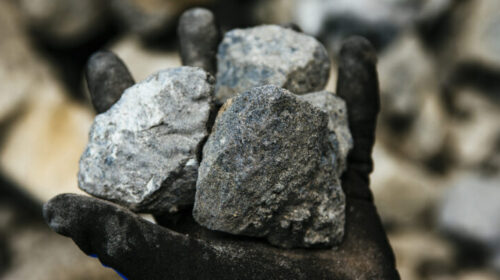
The Zimbabwean government shocked the global mining sector in late February by enacting an immediate ban on the export of all raw minerals and lithium concentrates. This policy shift accelerated a previously scheduled 2027 deadline, aiming to force international mining firms to process materials into higher-value products like lithium sulfate within the country.
The move by Harare has significantly rattled global supply chains, as Zimbabwe currently accounts for roughly 10% of the world’s mined lithium.
Following the announcement, lithium carbonate prices on the Guangzhou Futures Exchange jumped over 5%, reflecting concerns over tightened spot availability for Chinese battery manufacturers who rely on Zimbabwe for nearly 20% of their feedstock.
Sinomine, which operates the major Bikita Minerals mine, stated that the export suspension has had a limited impact on its operations thus far. The company is leveraging its existing $500 million investment in a local lithium sulfate facility as a cornerstone of its “new export application.”
This strategy aligns with the government’s “beneficiation” mandate, which seeks to move the nation’s economy beyond primary extraction and toward high-tech industrial processing.
Other major players are also adjusting to the new regulatory environment. Zhejiang Huayou Cobalt recently began commissioning a $400 million sulfate plant at its Arcadia mine, while Sichuan Yahua recently broke ground on a similar facility at the Kamativi site.