
By: ThinkBusiness Africa
LAGOS — Nigeria’s economic recovery has reached a historic milestone as gross foreign exchange (FX) reserves surged to $48.5billion, the highest level since 2018. This aggressive increase of buffers is being hailed by analysts as the “ultimate validation” of the Central Bank of Nigeria’s (CBN) orthodox monetary reforms.
Under the leadership of Governor Olayemi Cardoso, the apex bank has moved from the “intervention-heavy” era of the past toward a transparent, market-driven framework that has finally restored investor confidence.
The “Cardoso Effect”: From $3bn to $49bn
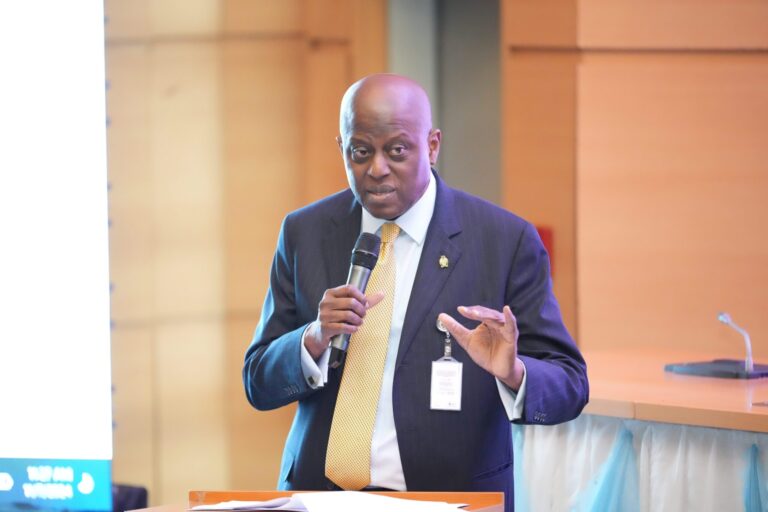
Earlier in February while speaking at the National Economic Council (NEC) conference in Abuja, Governor Cardoso noted that the journey from the 2023 lows—where “net” reserves were rumored to be as low as $3 billion—to today’s $48.5 billion represents a dramatic shift in Nigeria’s financial credibility.
“The era of multiple exchange rates and arbitrage is over,” Cardoso stated. “Our focus on price discovery and institutional discipline has made the Naira predictable again.” He said.
The CBN’s reform victory is built on three strategic pillars that have successfully “opened the taps” for dollar inflows:
By adopting a “willing buyer, willing seller” model, the CBN has collapsed the gap between the official and parallel markets to under 2%. This transparency has eliminated the incentive for hoarding and “black market” speculation.
High interest rates (MPR at 27.5%) have made Nigerian debt instruments some of the most attractive in emerging markets. Foreign portfolio inflows to the banking sector rose by 15% in the first quarter of 2026 alone.
New frameworks for International Money Transfer Operators (IMTOs) have funneled record diaspora remittances directly into the official system, bypassing the shadow economy.
With reserves nearing the $50 billion mark, Nigeria now boasts an import cover of 14 months—more than quadruple the international recommendation of three months. This “war chest” provides a massive cushion against global shocks, such as fluctuating oil prices or interest rate hikes in the US.
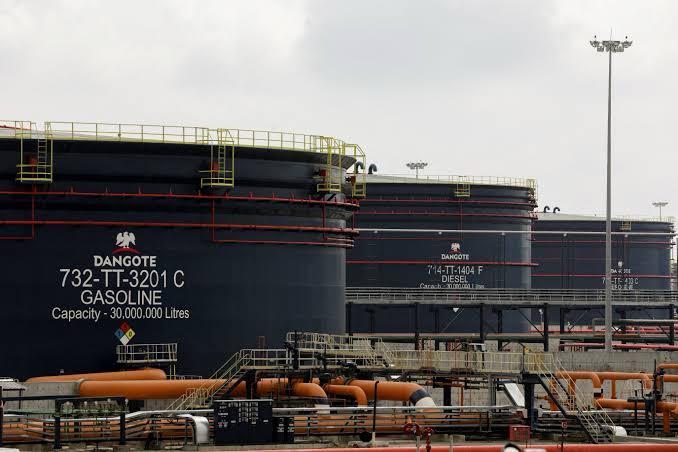
The CBN has its sights set even higher, with a projection of hitting $51 billion by the end of 2026. This optimism is fueled by the expansion of the Dangote Refinery to 1.4 million bpd, which is expected to further reduce the demand for dollars previously used for fuel imports.
While challenges remain—particularly in ensuring this macro-stability translates into lower food inflation—the $49 billion reserve milestone serves as a clear signal to the world: Nigeria’s financial house is back in order.