
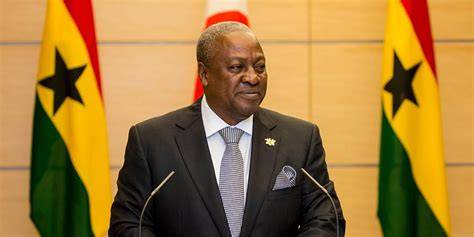
France has signaled a potential breakthrough in the long-standing debate over historical justice, expressing an openness to discuss reparations for transatlantic slavery with a coalition of nations.
The development follows a high-level meeting in Paris last week between Ghanaian President John Dramani Mahama and French President Emmanuel Macron. Ghanaian officials confirmed that the talks marked a shift in France’s diplomatic posture toward the transatlantic slave trade’s enduring legacy.
“France is ready to engage in an open and honest dialogue with the coalition on the issue of reparations,” Ghana’s Foreign Minister, Samuel Okudzeto Ablakwa, stated following the diplomatic mission.
The coalition, a bloc of African and Caribbean nations, has intensified its push for reparatory justice following a landmark United Nations resolution on March 25, 2026. That resolution, spearheaded by Ghana, officially designated the transatlantic slave trade as the “gravest crime against humanity.”
The shift is particularly significant given that France abstained from the March UN vote. At the time, French diplomats expressed concern that the resolution’s language could create a “hierarchy” of human rights violations. However, the recent meeting in Paris suggests a move toward bilateral and multilateral reconciliation.
Discussions are expected to focus on three primary pillars: the restitution of looted cultural artifacts, addressing structural economic inequalities linked to colonial history, and the formalization of reparative justice frameworks. While France formally recognized slavery as a crime against humanity in 2001 via the Taubira Law, it has historically resisted calls for financial or institutional reparations.
The Élysée Palace has yet to release a detailed roadmap for these discussions but has confirmed its willingness to continue talks regarding “culturally significant objects” and “shared history.”
The move comes at a time of heightened geopolitical focus on the “Global South,” as African nations increasingly leverage their collective diplomatic weight to demand accountability for historical colonial-era grievances.