By: ThinkBusiness Africa
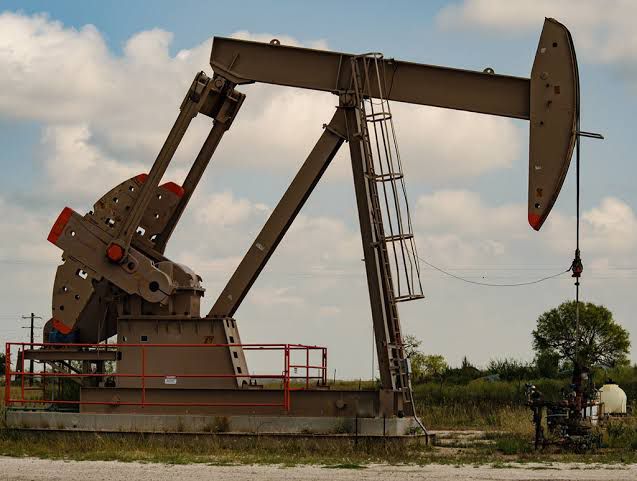
Global oil markets entered a holding pattern on Monday, with crude prices hovering near two-month highs as traders await the outcome of high-stakes nuclear negotiations between the United States and Iran.
The “calm before the storm” sentiment reflects a market caught between two opposing forces: a $5–$10 per barrel “geopolitical risk premium” driven by Middle East tensions, and the looming prospect of a massive supply surplus as OPEC+ signals a return to production hikes this spring.
As of Monday morning, prices showed marginal movement following their first back-to-back weekly decline of the year: Brent crude futures edged up 3 cents to $67.78 a barrel; while U.S. West Texas Intermediate crude was at $62.91 a barrel, up 2 cents.
All eyes are on Geneva, where the second round of indirect talks is scheduled to begin tomorrow, Tuesday, The U.S. delegation, reportedly including envoys Jared Kushner and Steve Witkoff, is expected to meet with Iranian officials to discuss a potential “Grand Bargain.”
Tehran has signaled a desire for an agreement that includes mutual economic benefits, specifically targeting investments in its energy and mining sectors, as well as the purchase of commercial aircraft.
While President Trump has expressed optimism for a deal within the next month, the administration has maintained a “maximum pressure” posture. This includes the recent deployment of a second aircraft carrier to the region and new sanctions targeting “teapot” refineries in China that process Iranian crude.
Counterbalancing the risk of conflict is a shift in strategy from the OPEC+ alliance. Reports surfaced on Friday that the group, led by Saudi Arabia and Russia, is leaning toward resuming production increases starting in April 2026.
The move follows a three-month pause in hikes during the first quarter. Analysts suggest the pivot is a strategic bid by Riyadh to reclaim market share from U.S. shale drillers. However, the timing is delicate: the International Energy Agency (IEA) recently warned that global supply could exceed demand by a staggering 3.73 million barrels per day this year, potentially dragging prices down to the $50 range by year-end if diplomacy succeeds.