Ghana’s streak of cooling prices extended into its 15th month this March, as consumer inflation nudged lower to 3.2%, according to the latest data released by the Ghana Statistical Service (GSS) on Wednesday.
The marginal decline from February’s 3.3% marks the lowest inflation level the West African nation has seen since the consumer price index was rebased in 2021. The steady descent highlights a period of remarkable price stability following the hyper-inflationary crisis of late 2022 and 2023.
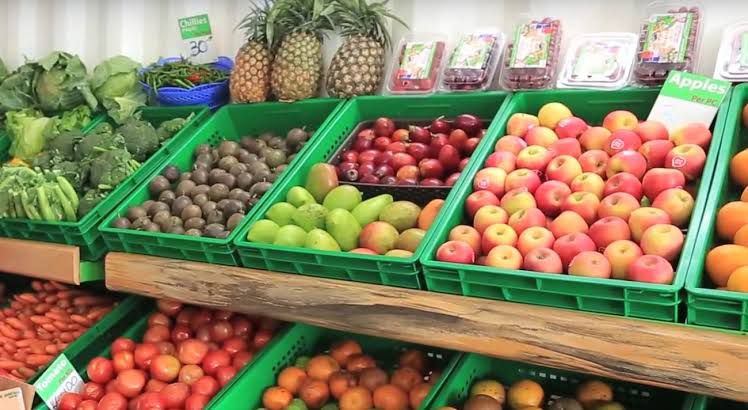
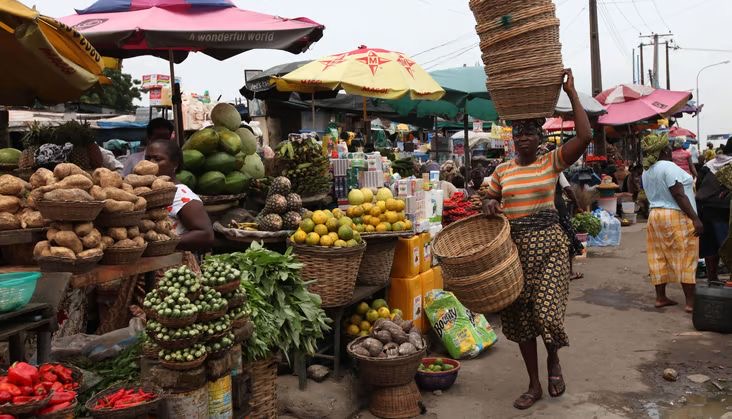
Government Statistician Prof. Samuel Kobina Annim noted that the continued slowdown was supported by a cooling in both food and non-food categories. Food inflation dropped to 2.3% from 2.4% in February, while non-food inflation eased to 3.9%. Notably, inflation for imported goods fell by 0.6%, credited largely to the relative stability of the Cedi against major trading currencies. However, inflation for locally produced items saw a slight uptick to 4.9%, up from 4.5% the previous month.
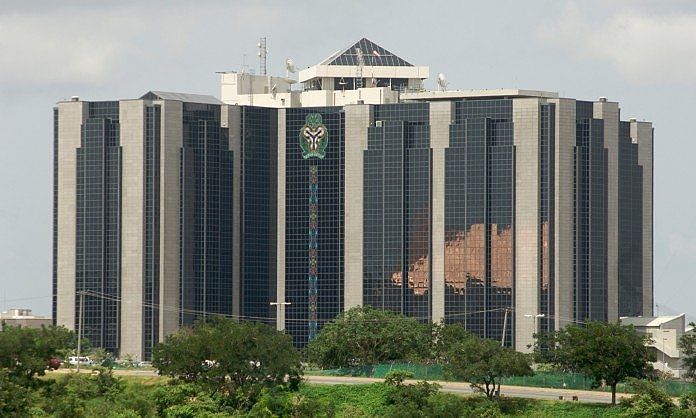
This persistent downward trend suggests that the Bank of Ghana’s aggressive monetary tightening and the fiscal reforms under the $3 billion IMF bailout program are effectively anchoring price expectations. With inflation now sitting well below the central bank’s medium-term target band of 6–10%, market analysts are closely watching for a potential further cut to the benchmark policy rate. The central bank has already lowered rates significantly this year to stimulate growth, and the March data provides more room for further easing.
While the 0.1 percentage point drop is modest, it reinforces investor confidence in Ghana’s recovery. Despite the optimistic headline, the GSS noted that month-on-month inflation rose by 0.1%, a sharp deceleration from the 0.8% monthly increase seen in February, indicating that while prices are still rising, they are doing so at a near-negligible pace.ne