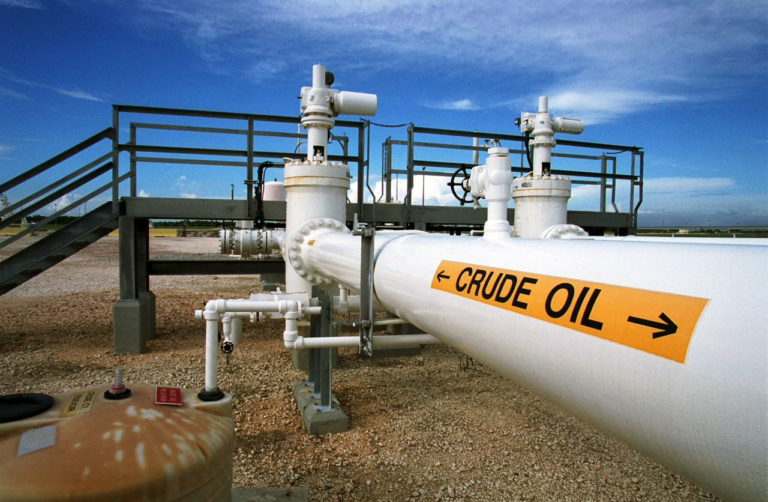
For many years, West Africa has been trapped in a circular trade: exporting high-quality crude oil to Europe only to buy it back as expensive, refined gasoline. This dependency has drained foreign exchange reserves and left the region vulnerable to global price shocks.
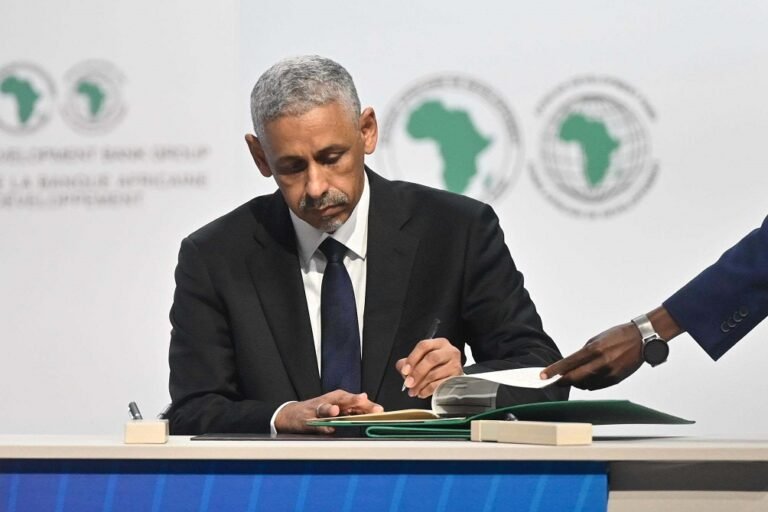
However, the recent technical equity partnership between Nigerian National Petroleum Company Limited (NNPCL) and Chinese firms Sanjiang Chemical and Xinganchen Industrial Park is an opportunity to break this cycle, creating a massive refining corridor in Nigeria that will likely alter energy flows across the continent.
Dangote monopoly
The most immediate impact is the end of the single-source era. While the Dangote Refinery reached full capacity in early 2026, its position as Nigeria’s sole gasoline provider —though currently supporting the economy measurably—has created a fragile market equilibrium.
The March 2026 price hikes by Dangote, attributed to global crude volatility, underscored the risks of a private-sector monopoly.
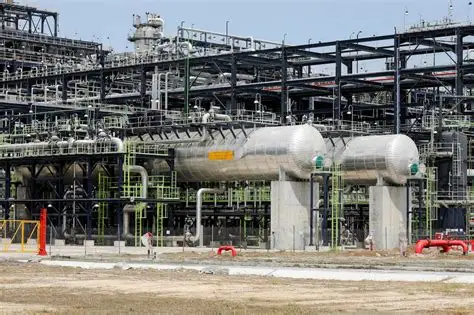
The phased return of the Port Harcourt Refinery, reaching 30% of its capacity —60,000 barrels per day (bpd)—in early 2026 and the expected restart of Warri and Kaduna by late 2027 introduce vital competition.
Analyst noted that if the NNPCL deal with the Chinese technical management succeeds it’ll create:
• Drive Down Ex-Depot Prices: Competition for market share among local refiners will likely force more aggressive pricing.
• Stabilize the Naira: Domestic refining has already slashed Nigeria’s fuel import bill from $8.2 billion to $4.7 billion in just two years, providing a floor for the currency to recover.
Nigeria as Africa’s “Gas Station”
The newly signed Technical Equity Partnership targets the rehabilitation and restart of the Port Harcourt (210,000 bpd) and Warri (125,000 bpd) plants. These two together with the Dangote (650,000bpd) plant will increase Nigeria’s refining capacity to approximately 1million bpd by 2027.
Meanwhile, the Dangote refinery plans expansion to 1.4 million bpd by 2028, making it the world’s largest single-train refinery, and potentially making Nigeria a net exporter of refined petroleum products.
The ripples of this capacity surge will cross borders. Nigeria will no longer just solve its own fuel queues; it is positioning itself to be the energy hub for the ECOWAS region and beyond.
Countries like South Africa, Ghana, and Senegal are already pivoting their procurement strategies toward Lagos. For West Africa, this means:
• Shorter Supply Chains: Replacing a 20-day voyage from Europe with a 3-day transit from Lekki or Port Harcourt.
• Regional Price Parity: As Nigeria exports its surplus, the “Nigeria Price” will become the benchmark for the African continent, potentially lowering energy costs for manufacturing across West Africa.
The Modular Surge and Regional Competitors
Nigeria isn’t alone in this race, though it is the undisputed leader. Smaller, agile modular refineries like Aradel (11,000 bpd), Edo refinery (6,000 bpd) and Waltersmith (10,000 bpd) are already in local diesel, petrochemical and kerosene markets, providing a shadow blueprint for decentralized energy security.
Meanwhile, Ghana’s Tema Oil Refinery (TOR) and Senegal’s SAR refinery are watching closely. While Nigeria’s sheer scale threatens to overshadow these smaller national plants, the overall effect is a continent-wide shift toward self-sufficiency.
Analyst expressed that If the NNPCL and its Chinese partners succeed in rehabilitating the Portharcourt and Warri plants, Africa will be moving away from being a mere exporter of raw materials to becoming a high-value industrial processor, fundamentally altering its trade balance with the rest of the world.