
By: ThinkBusiness Africa
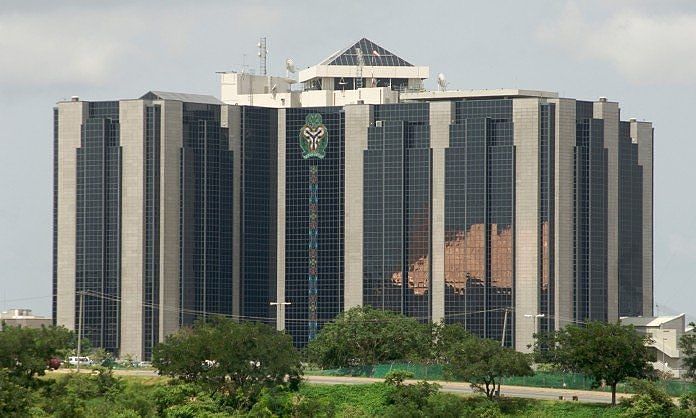
For several years, Nigeria’s foreign exchange reserves were something of a financial puzzle—an official total of $33 billion that, upon closer inspection, was heavily tied up in complex currency swaps and forward contracts. But as of late 2025, the Central Bank of Nigeria (CBN) has completed an aggressive ‘forensic cleanup’, reporting a net reserve of $34.8 billion on Tuesday.
The figure represents a staggering recovery from the $3.99 billion recorded at the end of 2023, signaling a successful unwinding of the complex financial encumbrances that once tethered the country’s external buffers. CBN Governor Olayemi Cardoso attributed the growth to “fundamental structural resets” and a “deliberate policy of transparency.”
The Numbers Turnaround
The jump from 2023’s lows to the current $34.8 billion position highlights a significant reduction in short-term liabilities, such as FX swaps and forward contracts, which previously “masked” the true health of Nigeria’s reserves.
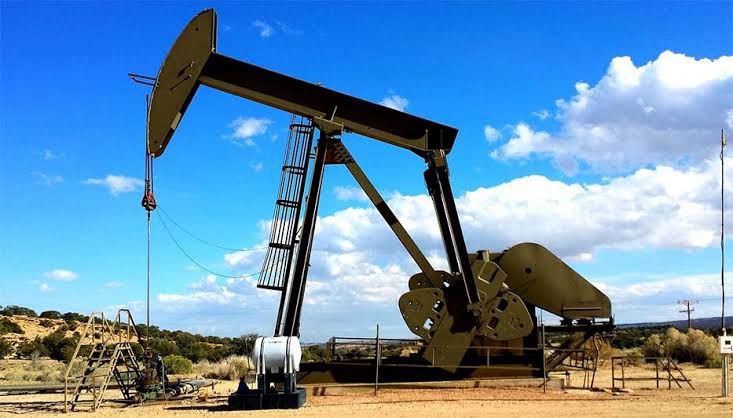
Also, the latest surge was fueled by a combination of strict monetary discipline and a shift in trade dynamics, most notably the operational scale-up of the Dangote Refinery.
By refining petroleum domestically, Nigeria significantly reduced the massive FX outflow previously required for fuel imports, while high interest rates and the clearance of long-standing FX backlogs restored confidence among foreign investors.
Evenly, as gross reserves climbed toward $45.71 billion by December—and have since crossed the $50 billion mark in early 2026—the country now enjoys nearly 14 months of import cover. This newfound stability has helped steady the exchange rate and positioned Nigeria to potentially see an upgrade in its international credit ratings as the year progresses.
The momentum however, appears to be carrying into the new year. As of mid-February 2026, gross reserves have already touched $50.45 billion. The CBN projects that if oil prices remain stable and domestic refining continues to expand, gross reserves could exceed $51 billion by year-end, providing nearly 15 months of import cover.
For the average Nigerian, the reserve growth has begun to manifest in a more predictable exchange rate, which hovered around ₦1,363/$1 in early 2026, a marked improvement from the volatility seen in previous years.