
A Kenyan High Court judge temporarily suspended a United States government plan to establish a 50-bed Ebola quarantine facility at Laikipia Air Base in central Kenya following intensive legal pushback.
High Court Judge Patricia Nyaundi issued conservatory orders blocking Kenya from admitting individuals exposed to or infected by Ebola under the U.S. agreement until petitions are heard and determined on June 2.
Senior U.S. officials stated the facility, located at an air force base in Nanyuki, was scheduled to become operational immediately to serve asymptomatic Americans exposed to the deadly virus while responding abroad.
Instead of repatriating exposed citizens directly to domestic biocontainment units, the administration planned to isolate high-risk individuals in Kenya and forward infected patients to a third country if they developed symptoms.
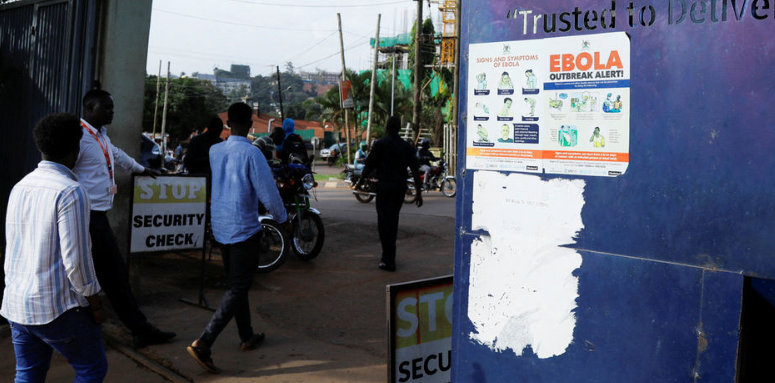
The World Health Organization recently declared the Bundibugyo Ebola strain an emergency of international concern, tracking 1,077 suspected cases, 121 confirmed infections, and 246 suspected deaths in neighboring Democratic Republic of Congo.
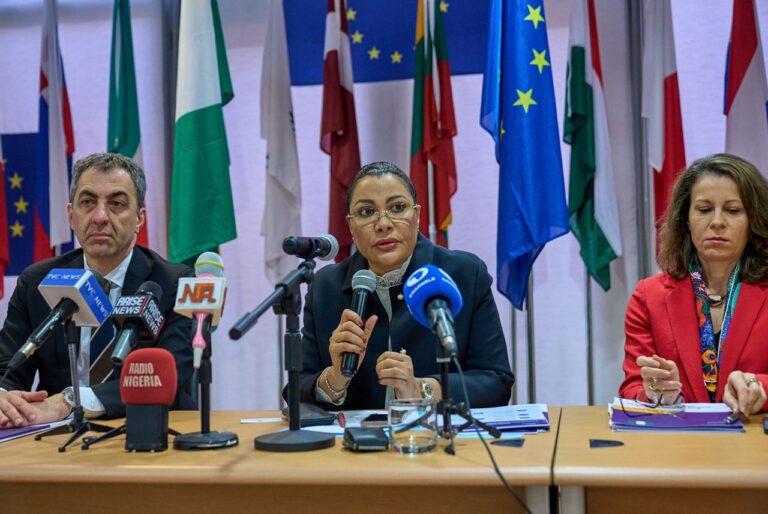
Medical experts and human rights organizations launched immediate legal challenges against the bilateral project, citing significant domestic public health vulnerabilities and a complete lack of transparent democratic oversight.
“The secretive, unilateral establishment of an Ebola quarantine facility raises grave constitutional concerns regarding the rights to life, health, fair administrative action, public participation, and parliamentary oversight,” the Katiba Institute stated.
The Law Society of Kenya and the Katiba Institute filed separate lawsuits, while the Kenya Medical Practitioners, Pharmacists and Dentists Union issued a strict 48-hour strike notice demanding details.
The State Department confirmed Secretary of State Marco Rubio discussed the response with Kenyan President William Ruto, pledging $13.5 million to bolster the East African nation’s broader Ebola preparedness infrastructure.
U.S. public health experts strongly condemned the external isolation strategy, warning that blocking citizens from returning home undermines global humanitarian deployments and risks accelerating localized transmission.
“There are profound ethical concerns with this approach,” said Jennifer Nuzzo, director of the Pandemic Center at Brown University. “I fear these facilities could amplify the spread of the virus.”