
LAGOS – Nigeria says it’s not returning to fuel subsidy regime amid global fuel price hike caused by disruptions in Middle East.
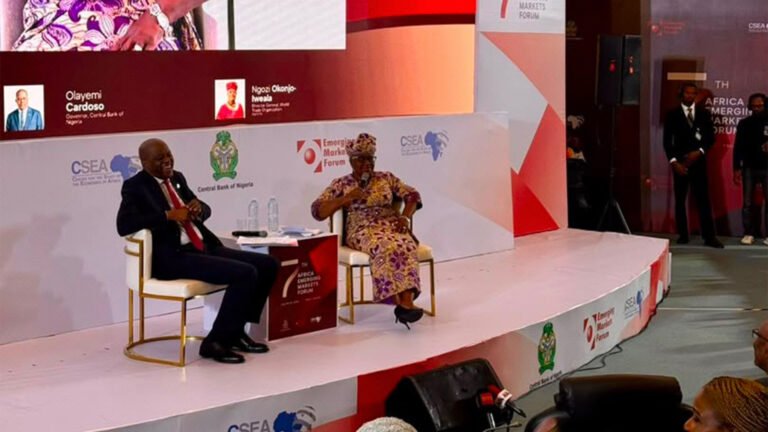
Finance Minister Taiwo Oyedele told investors in Paris on Tuesday that the government will not reinstate subsidies. He noted that subsidies create “economic distortions”.
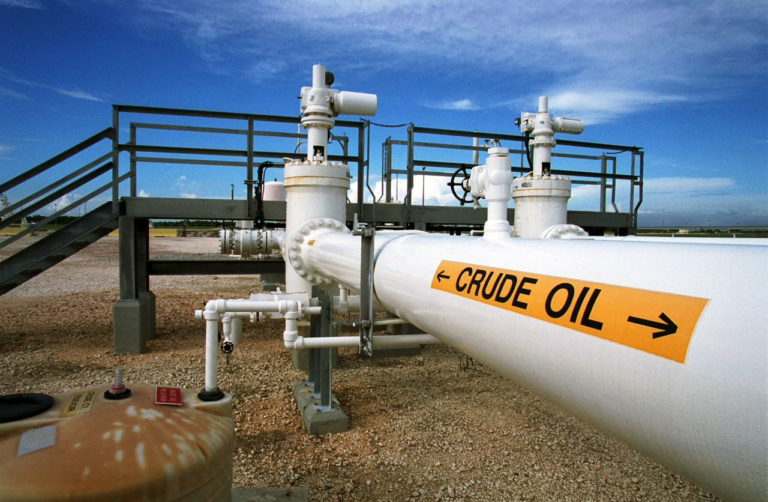
The decision follows global oil prices surging past $115 per barrel. Supply shocks from the 2026 Iran war have triggered massive volatility in energy markets.
Oyedele stated that Nigeria will not introduce price controls. The administration maintains a strong belief in market-driven competition to regulate fuel costs.
“We will not bring back fuel subsidy because it creates distortions for the economy, and we won’t introduce price control because we believe in the market… the situation in Iran presents new opportunities for us as the world looks to diversify sources of energy and invest in new markets.” Oyedele said in an X (Twitter) post.
The Minister highlighted a reported 11.2% GDP growth rate in 2025. This performance reinforces the country’s ambition to reach a $1 trillion economy by 2030.
President Bola Tinubu joined the meetings to emphasize fiscal discipline. He noted that removing the “burden” of subsidies has stabilized foreign exchange.
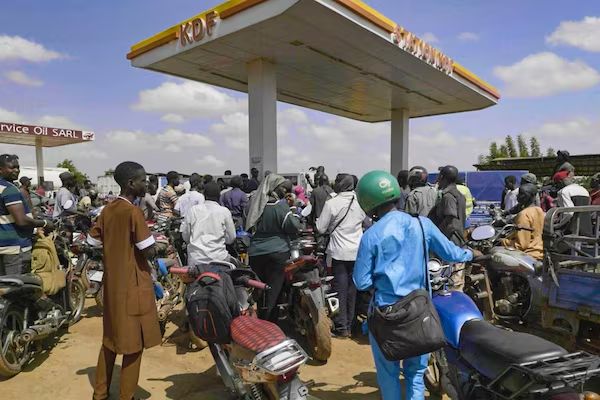
The International Energy Agency recently called the current Middle East crisis the “greatest energy security challenge in history”. This conflict has significantly spiked global diesel and petrol prices.
Nigeria’s inflation rate hit a 19-year high following the initial subsidy removal in 2023. Despite cost-of-living concerns, the government remains committed to its current reform path.
Recent data shows the Nigerian economy was valued at approximately $252 billion in 2025. Analysts suggest achieving the $1 trillion target requires consistent, high annual growth.