By: ThinkBusiness Africa
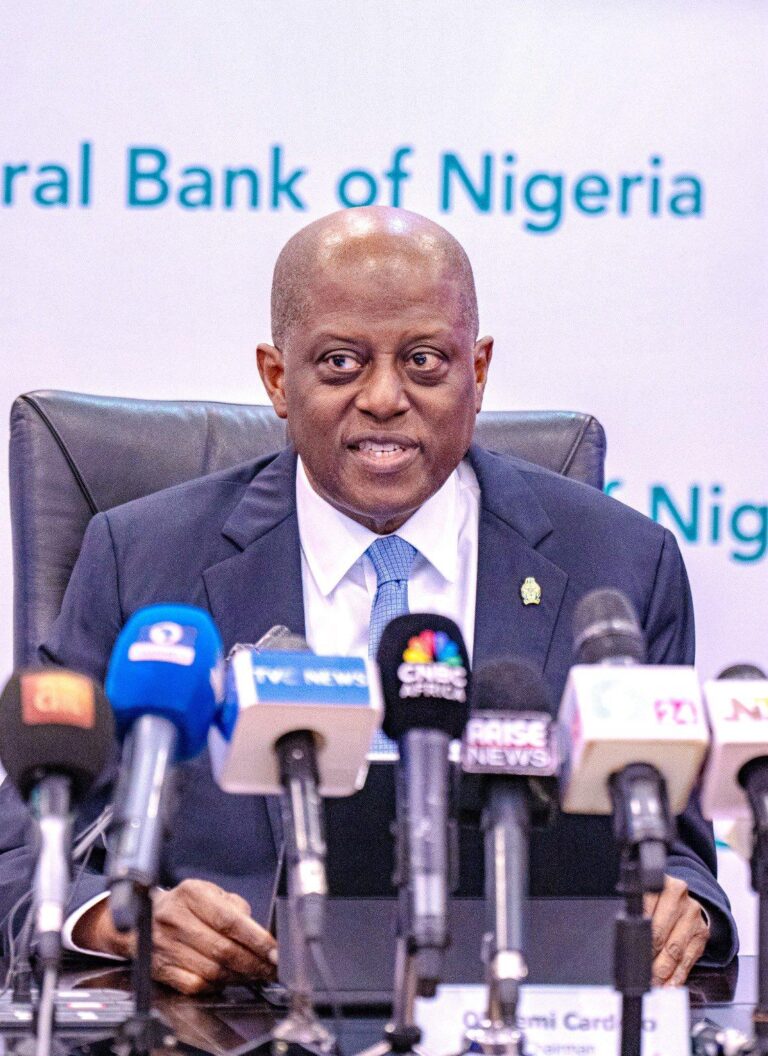
Nigeria’s Minister of Finance and Coordinating Minister of the Economy, Wale Edun, has called for a fundamental “reset” of the global economic architecture to better reflect the rising influence and specific needs of emerging market economies.
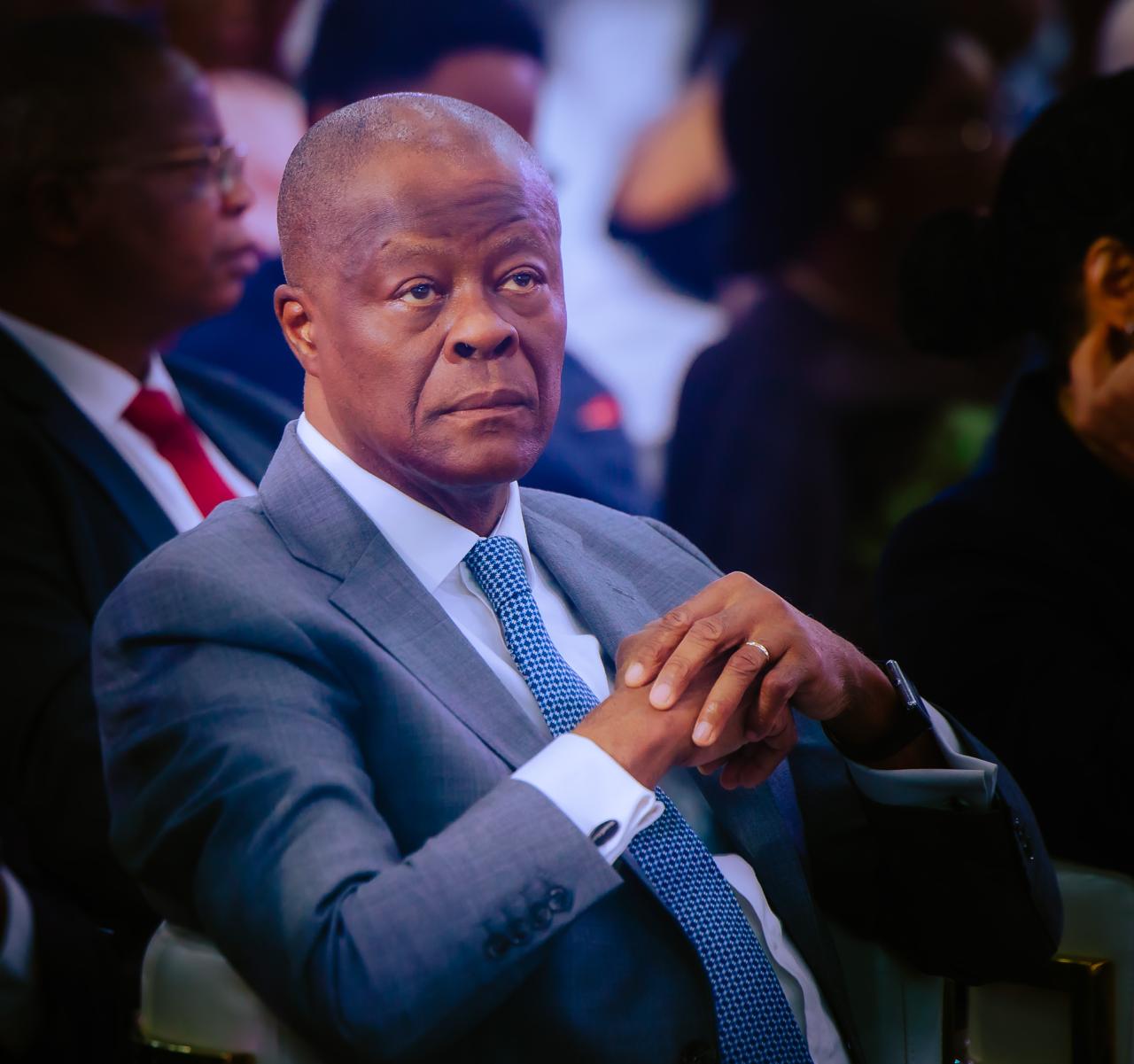
Speaking during a high-level panel at the Al Ula Conference for Emerging Market Economies, Edun joined fellow finance ministers and global heads—including IMF Managing Director Kristalina Georgieva—to deliberate on the future of international trade, monetary systems, and macroeconomic stability.
The Minister argued that the current international financial framework requires a significant overhaul to become more inclusive. He emphasized that emerging markets must have a “stronger voice” in decision-making processes that dictate global capital flows and trade policies.
“Nigeria remains committed to building stronger partnerships that advance a more equitable global financial architecture,” Edun stated, highlighting the necessity of policies that support sustainable growth rather than just crisis management.
The Minister’s call for a “reset” aligns with his ongoing efforts to stabilize Nigeria’s economy through fiscal discipline and the attraction of foreign direct investment (FDI), as seen in his recent economic reforms.
Historically, Nigeria’s economic framework was defined by a heavy, almost singular reliance on crude oil exports, leaving the national budget vulnerable to the whims of global price volatility.
Financing was often sought through external debt and multilateral institutions under rigid conditions, while the domestic environment struggled with multiple exchange rate windows and a tax system that was fragmented and difficult to navigate.
This “Old Framework” often prioritized immediate consumption and subsidy payments over long-term capital investment.
However, Nigeria’s latest Framework signals a pivot toward diversified revenue and domestic resilience. Under the leadership of Wale Edun, the government has moved to consolidate over 60 disparate taxes into fewer than 10, specifically designed to protect small businesses and the poor while digitizing collection through the new Nigeria Revenue Service (NRS).
Strategically, the focus has shifted from traditional Western lenders toward partnerships within the Global South, particularly with Gulf nations, to unlock new investment in infrastructure and the “Halal economy.”
Most importantly, 2026 marks the transition from “painful stabilization”—such as the unification of the Naira—to a “Consolidation Phase,” where the primary goal is turning macroeconomic stability into visible growth and job creation across every ward in the country.
Edun’s address was the recognition of Gulf nations as central players in the modern economic landscape. He noted their serving as a primary source of developmental capital for African and Asian markets and acting as a bridge between the Global North and South.
The conference, co-organized by the Saudi Ministry of Finance and the International Monetary Fund (IMF), comes at a time of profound global transformation. Edun’s participation underscores Nigeria’s proactive stance in seeking international cooperation to bolster its domestic economic reforms.