By: ThinkBusiness Africa
The Nigerian capital market has recorded a monumental leap in economic significance, with its contribution to the nation’s Gross Domestic Product (GDP) soaring to 33% in early 2026. Director-General of the Securities and Exchange Commission (SEC), Dr. Emomotimi Agama said on Sunday.
This latest figure represents a staggering increase from the 13% recorded in April 2024, signaling a profound shift in the country’s financial landscape.
Speaking at the inaugural meeting of the Capital Market Working Group on Market Liquidity in Lagos, Dr. Agama, revealed that total market capitalization has surged by 125% over the last 22 months. The market’s value climbed from approximately N55 trillion in April 2024 to a record-breaking N123.93 trillion by February 2026.
The SEC chief attributed this growth to sustained macroeconomic reforms and a renewed wave of investor confidence. He emphasized that the capital market is transcending its reputation as a mere trading floor to become a critical pillar for industrialization.
“The capital market is not gambling; it is the engine of national development. It finances roads, powers factories, and creates jobs,” Agama stated. “These figures are impressive, but they tell only part of the story. Our goal is to ensure this wealth translates into productive capacity for the entire nation.” He said.
Despite the historic valuation, the SEC chief issued a call for caution regarding market depth. While the “headline” numbers are at an all-time high, the Commission is now pivoting its focus toward liquidity—the ease with which investors can buy and sell shares without causing drastic price swings.
Current data suggests that much of the market’s N123 trillion value is concentrated in a few “heavyweight” sectors:
- Industrial Goods: Led by massive cement and manufacturing conglomerates.
- Banking: Following a successful sector-wide recapitalization exercise in 2025.
- Telecoms: Driven by record earnings from major service providers.
To sustain this momentum, the SEC has inaugurated a multi-stakeholder working group tasked with: Streamlining trading and settlement cycles to match global standards; Onboarding 20 million new investors through fintech partnerships and mobile-first trading apps; and Implementing the Investments and Securities Act (ISA) 2025 to bring the thriving digital asset and cryptocurrency space under formal oversight.
Last year, the Nigerian stock market moved to a shorter settlement cycle, transitioning from traditional T+3 (trade day, plus 3 business days), to T+2 (trade day, plus 2 business day) settlements. This move made the Nigerian capital market increasingly attractive to investors compared to its African counterparts who are still stuck with the traditional T+3.
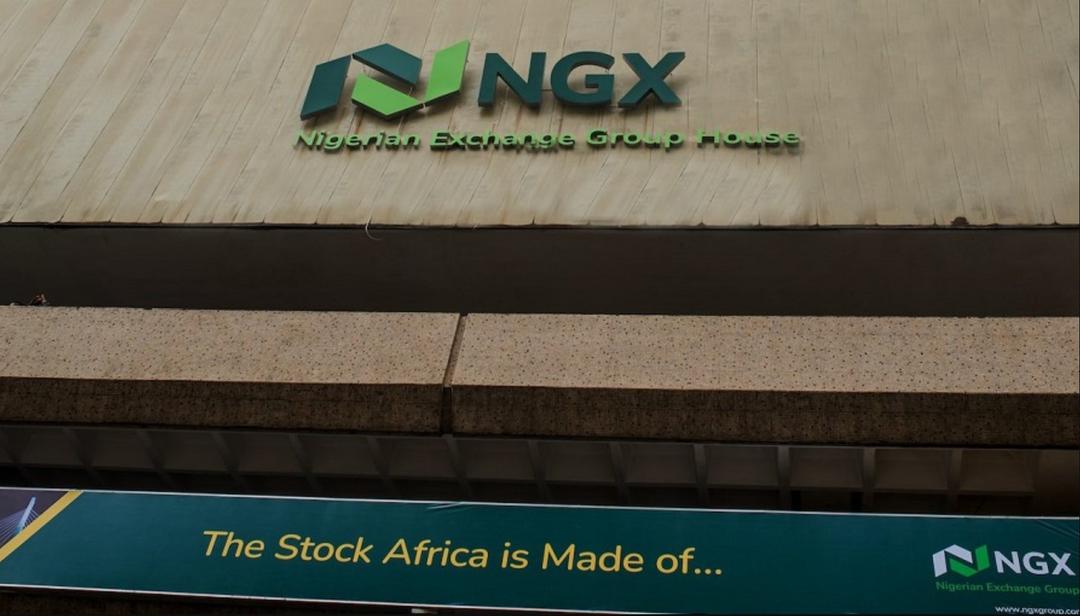
As the Nigerian Exchange (NGX) All-Share Index (ASI) nears the psychological barrier of 200,000 points, analysts suggest that the market is finally reflecting the true scale of Nigeria’s corporate potential. However, the SEC maintains that the journey to becoming a “global standard” will depend on making the market more inclusive for the average Nigerian citizen.