By: ThinkBusiness Africa
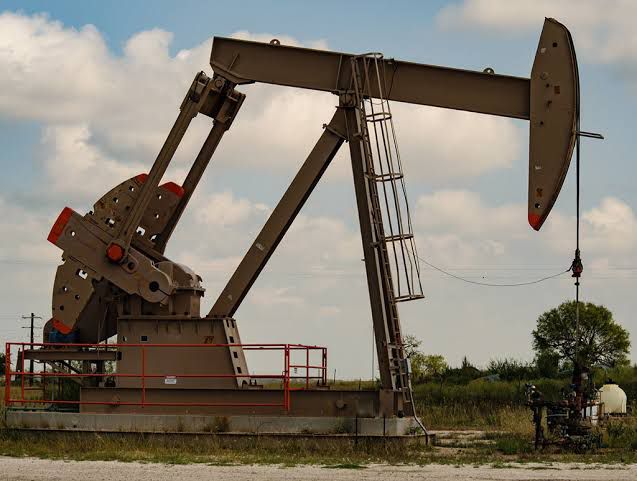
Global oil benchmarks tumbled more than 1% at Monday’s market open, reversing recent gains as investors breathed a sigh of relief following a constructive round of nuclear talks between Washington and Tehran.
As of Monday morning, the two global benchmarks showed a clear retreat: Brent Crude dropped 89 cents, or 1.31%, to $67.16 per barrel. And West Texas Intermediate (WTI) Crude fell 79 cents, or 1.24%, to $62.76 per barrel.
The dip reflects a significant cooling of geopolitical tensions in the Middle East, a region vital to global energy security. After weeks of heightened rhetoric and military positioning, the two nations concluded indirect discussions in Oman on Friday, signaling a mutual commitment to continue the diplomatic process.
The talks, mediated by Oman, have provided a temporary “safety valve” for the market. Analysts noted that the “war premium”—the extra cost added to oil due to the risk of supply disruptions—is beginning to evaporate.
Iran’s top diplomat described the Friday session as a “good start,” while U.S. officials, though cautious, indicated that a roadmap for future discussions is being outlined. This dialogue is particularly critical given that roughly 20% of the world’s oil consumption passes through the Strait of Hormuz, a maritime chokepoint that often becomes a flashpoint during U.S.-Iran escalations.
However, traders are also monitoring a proposed European ban on services for Russian seaborne crude, which is already forcing major buyers like India to shift their sourcing strategies.
Investors are now shifting their gaze to mid-week economic data, including U.S. inflation figures and reports from OPEC+, to see if global demand can sustain prices as geopolitical tensions fluctuate.