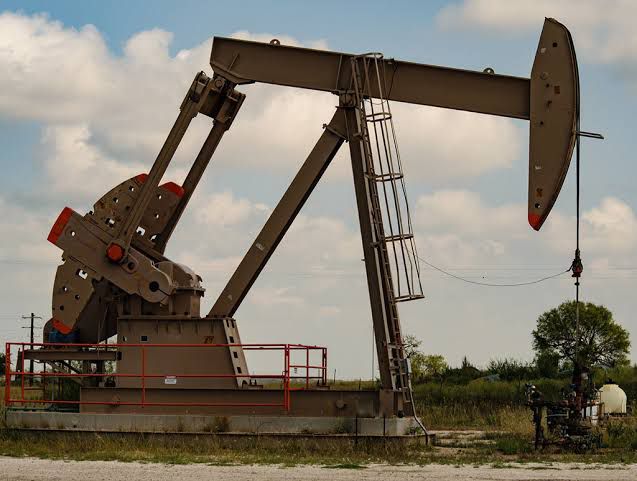
LAGOS — Global oil prices skyrocketed on Monday, April 13, 2026, with Brent crude jumping over 7% to trade at $102.31 a barrel. The surge followed the collapse of diplomatic talks between the U.S. and Iran, triggering immediate supply concerns as the U.S. Navy reportedly prepared a blockade of the Strait of Hormuz.
The spike marks a dramatic reversal from last week’s brief cooling of prices. By 22:04 GMT, Brent crude futures rose by $7.11, while U.S. West Texas Intermediate (WTI) climbed 8.14% to reach $104.43 a barrel. The Strait of Hormuz is the world’s most vital oil transit chokepoint, handling approximately 20% of global daily petroleum consumption.
Market analysts attribute the price volatility to a “fear premium” as military posturing intensifies. The failure of recent negotiations in Singapore has heightened the risk of prolonged disruptions to maritime traffic.
Shipping insurance rates have already begun to climb, and several Middle Eastern producers, including Saudi Arabia and the UAE, have reportedly signaled potential production adjustments if navigation through the Strait remains compromised.
The International Energy Agency (IEA) warned that if the blockade proceeds, prices could breach the $110 mark within weeks. While some relief may come from a potential release of the U.S. Strategic Petroleum Reserve, the market remains largely driven by supply-side anxiety and the lack of a clear diplomatic path forward.