By: ThinkBusiness Africa
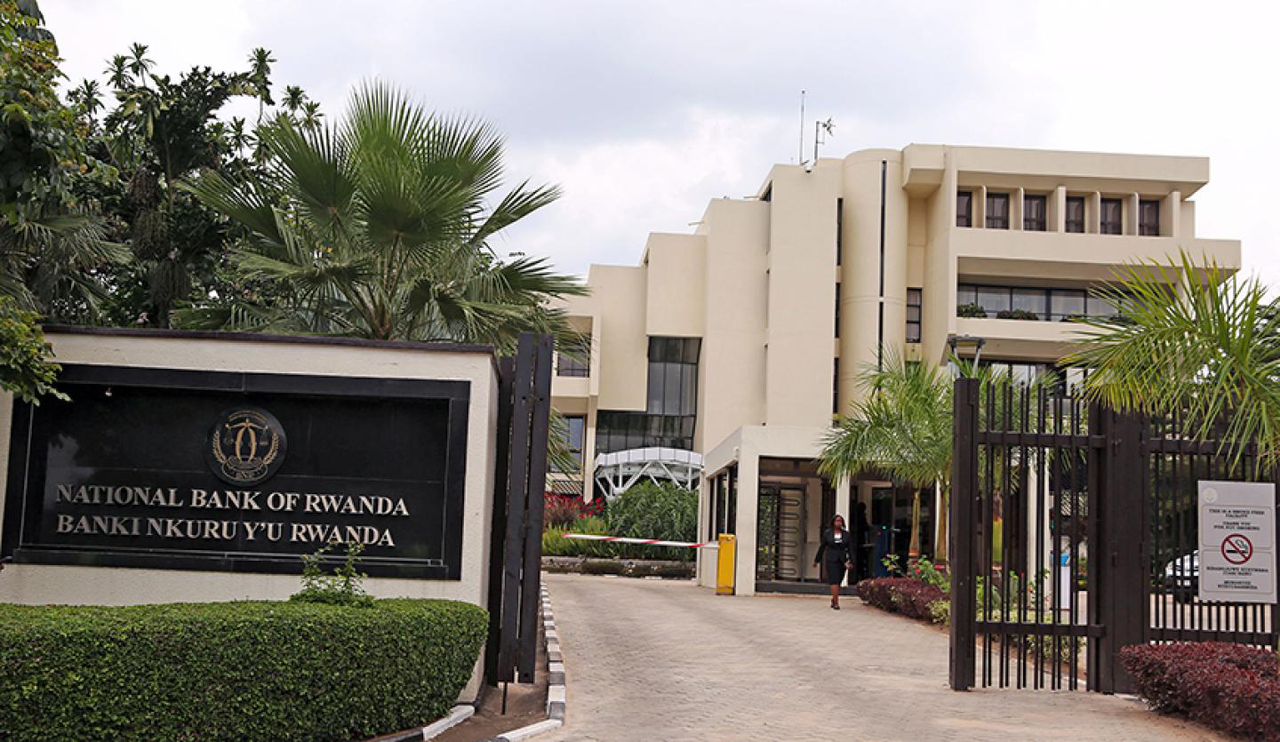
The National Bank of Rwanda (BNR) has raised its benchmark interest rate by 50 basis points to 7.25%, marking a decisive return to monetary tightening as inflation pressures breach the government’s upper target limit.
The decision, announced by Governor Soraya Hakuziyaremye on Thursday following a meeting of the Monetary Policy Committee (MPC), ends a period of relative holding and sets Rwanda apart from several other African nations currently entering easing cycles.
The primary catalyst for the hike was a sharp acceleration in consumer prices. Headline inflation rose to 8.9% in January 2026, climbing from 8% in December and surpassing the central bank’s target band of 2% to 8%.
A 12.4% spike in energy inflation, fueled by revised electricity tariffs and global fuel price volatility contributed to energy price surge.
Excluding volatile food and energy, core inflation hit 9%, suggesting that price pressures are becoming embedded in the broader economy. Significant price hikes were recorded in healthcare, hospitality (hotels and restaurants), and housing.
“The decision to raise the policy rate is a measured step to limit second-round effects of recent price increases,” Governor Hakuziyaremye told reporters. “It is a necessary condition to sustain our long-term economic growth.”
The BNR felt empowered to hike rates due to Rwanda’s exceptionally strong economic performance. The economy expanded by an average of 8.7% during the first three quarters of 2025, with growth accelerating to 11.8% in the third quarter alone.
This robust growth—driven by the services and industrial sectors—suggests the economy can withstand higher borrowing costs without slipping into a recession. Additionally, the central bank reported a record surplus of Rwf 150 billion ($102.7 million) for the fiscal year ending June 2025, bolstered by high returns on foreign reserves.
Rwanda’s move “defies the trend” currently seen across much of the continent. While neighbors like Kenya and other major economies like Ghana and Egypt have begun cutting rates to stimulate growth as their inflation cools, Rwanda’s MPC opted for caution to protect household purchasing power and stabilize the Rwandan franc, which depreciated by 4.4% against the dollar in 2025.
The central bank projects that inflation will remain slightly above the 8% threshold for the first half of 2026. However, assuming improved agricultural output and stable global commodity prices, the BNR expects inflation to return to the 2–8% target range by the end of the year.