South Africa is overhauling its energy security framework by proposing mandatory strategic fuel reserves for both the state and private sectors to mitigate severe supply crises, a new draft policy document shows.
The Department of Mineral and Petroleum Resources’ draft Strategic Petroleum Stock Policy introduces a legally enforced dual-obligation regime, shifting the country away from its decades-old voluntary storage model.
Under the proposed framework, the state must maintain 60 days of net import cover, while licensed private wholesalers and fuel importers will be legally required to hold 21 days of reserves at their own expense.
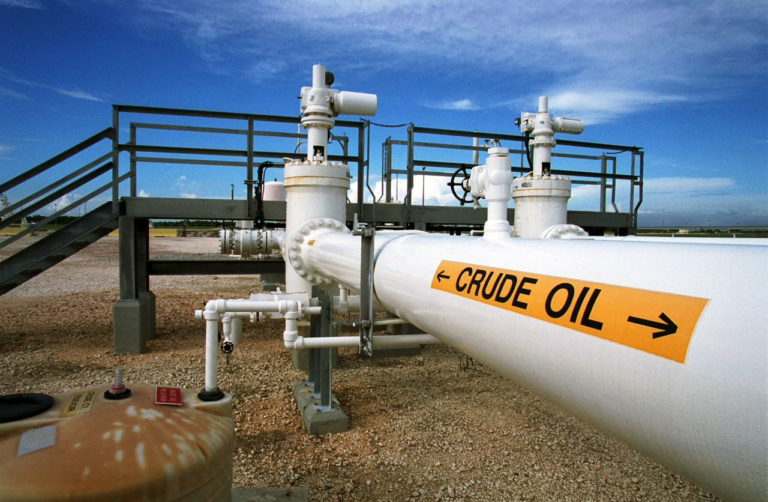
The mandate specifies a strict ratio of 70 percent crude oil and 30 percent refined products, aiming to maintain downstream market liquidity amid heightened geopolitical tensions and supply route disruptions.
This structural pivot follows the recent closure and conversion of major domestic refineries like SAPREF and Engen into import terminals, which slashed South Africa’s local refining capacity by nearly half.
Government data reveals that because imported fuel shipments require 21 to 42 days to reach local ports, a total supply disruption would cost the national economy an estimated R1 billion per day.
To prevent product degradation, the policy mandates that both state and private operators completely rotate their refined fuel stocks every three months to ensure fuel stability and immediate operational usability.
The newly consolidated South African National Petroleum Company will manage the state’s 36-million-barrel strategic stock, primarily utilizing existing storage hubs located at Saldanha Bay and Milnerton.