

Oil prices surge past $100 as middle east tensions escalate
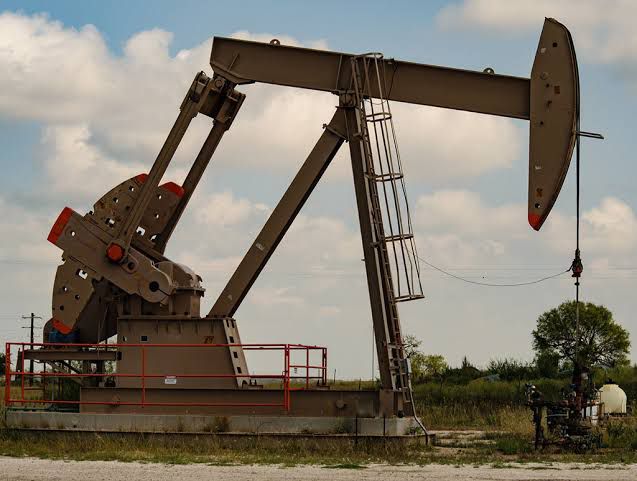
LAGOS — Global oil prices skyrocketed on Monday, April 13, 2026, with Brent crude jumping over 7% to trade at $102.31 a barrel. The surge followed the collapse of diplomatic talks between the U.S. and Iran, triggering immediate supply concerns as the U.S. Navy reportedly prepared a blockade of the Strait of Hormuz. The spike marks a dramatic reversal from last week’s brief cooling of prices. By 22:04 GMT, Brent crude futures rose by $7.11, while U.S. West Texas Intermediate (WTI) climbed 8.14% to reach $104.43 a barrel. The Strait of Hormuz is the world’s most vital oil transit chokepoint, handling approximately 20% of global daily petroleum consumption. Market analysts attribute the price volatility to a “fear premium” as military posturing intensifies. The failure of recent negotiations in Singapore has heightened the risk of prolonged disruptions to maritime traffic. Shipping insurance rates have already begun to climb, and several Middle Eastern producers, including Saudi Arabia and the UAE, have reportedly signaled potential production adjustments if navigation through the Strait remains compromised. The International Energy Agency (IEA) warned that if the blockade proceeds, prices could breach the $110 mark within weeks. While some relief may come from a potential release of the U.S. Strategic Petroleum Reserve, the market remains largely driven by supply-side anxiety and the lack of a clear diplomatic path forward.
Kenya central bank ends 22nd-month easing streak as 40-day Iran war sends oil shocks to Nairobi

The Central Bank of Kenya (CBK) on Wednesday abruptly halted its historic streak of interest rate cuts, freezing the benchmark lending rate at 8.75% as the 40-day-old conflict in the Middle East threatens to spill over into Kenyan fuel pumps and grocery aisles. The decision by the Monetary Policy Committee (MPC) marks the first time in nearly two years that the bank has not lowered borrowing costs. Since June 2024, the CBK had been on a aggressive “easing” path to stimulate the economy, but the outbreak of the Iran War on February 28, 2026, has forced a tactical retreat. “The Committee observed that the surge in global oil prices, now approaching $100 per barrel, presents a clear and present danger to our inflation targets,” Governor Kamau Thugge stated. “By holding the rate steady, we are building a buffer against ‘second-round effects’—where high transport costs begin to hike the price of everything from maize meal to manufactured goods.” The pause effectively signals the end of the “cheap credit” era that saw the Central Bank Rate (CBR) tumble from a high of 13.0%. While headline inflation currently sits at a manageable 4.4%, the bank warned that non-core inflation has already spiked to 10.8%, reflecting the immediate pain felt by transporters and energy-intensive businesses. Market analysts noted that the move was also likely a defensive play for the Kenyan shilling. The currency has buckled under the weight of an expensive oil import bill, recently sliding past the 130-mark against the U.S. dollar. A higher interest rate generally helps prop up a currency by making local assets more attractive to investors. Despite the geopolitical headwinds, the CBK remains optimistic about domestic resilience, projecting a 5.3% GDP growth for 2026. However, the message to markets on Wednesday was unmistakable: the era of easy money is on hold until the smoke clears in the Middle East.
Middle East conflict day 38: Afreximbank sets $10b support to ease impact in Africa
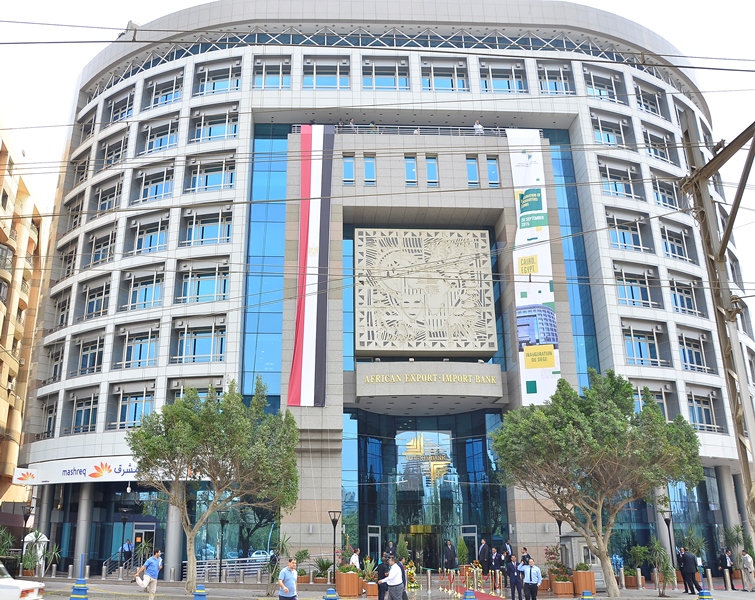
The African Export-Import Bank (Afreximbank) has approved a $10 billion Gulf Crisis Response Programme (GCRP) to shield African and Caribbean economies from the escalating economic fallout of the Middle East conflict, now entering its 38th day. The massive financial package aims to provide immediate liquidity to member states struggling with soaring energy costs and supply chain disruptions triggered by the hostilities that began on February 28, 2026. The $10 billion facility is designed as a multi-pronged intervention to stabilize macroeconomics across the continent and the CARICOM region. It will facilitate the purchase of fuel, fertilizers, and food to prevent domestic shortages and curb surging inflation. Additionally, the bank will provide foreign exchange buffers to central banks and commercial lenders facing tightened global credit markets. It also plans to finance oil and gas exporters looking to increase output to fill the global supply vacuum. As the conflict crosses the five-week mark, global oil prices have spiked significantly, recently trading above $116 per barrel. This volatility has placed immense pressure on African importers already grappling with high debt-servicing costs. The GCRP follows the successful model of the bank’s 2022 Ukraine crisis programme. However, the decision to more than double the funding reflects the deeper risks posed by the Middle East’s role in global energy and fertilizer markets. Afreximbank officials noted that the programme is critical to maintaining trade momentum. It aims to ensure that corridors remain open despite the closure of key shipping routes in the Gulf. Last week, the bank successfully closed a $2 billion dual-tranche syndicated term loan facility, marking the largest debt capital markets transaction in the institution’s history. By providing this financial firewall, the bank intends to prevent geopolitical tension from reversing recent economic recovery gains. Applications for the facility are now open to eligible central banks, with disbursements expected to begin imminently.
Oil Prices surge toward $120 amid Middle East supply crisis
LAGOS — Global oil prices skyrocketed on Wednesday as a near-total blockade of the Strait of Hormuz and a massive production slump from OPEC+ nations sent shockwaves through energy markets. Brent crude spiked to $118.20 per barrel in early trading on April 1, 2026, while West Texas Intermediate (WTI) climbed to $102.50. The surge follows a reported collapse in OPEC production, which plummeted by 7.3 million barrels per day in March due to extensive infrastructure damage and power failures across the Gulf region. The market remains highly volatile as the International Energy Agency (IEA) attempts to stabilize supply by releasing 400 million barrels from emergency reserves. However, the halt of 20 million barrels per day of exports through the Hormuz chokepoint has created a deficit that emergency stocks have yet to offset. Egyptian President Abdel Fattah al-Sisi warned on Monday that if diplomatic efforts fail to reopen seaborne routes, crude oil could near $200 per barrel by the end of the second quarter. Conversely, a breakthrough in negotiations could see prices rapidly retreat toward the $80 level. For now, conflicting signals from Washington and continued regional instability keep the geopolitical risk premium at its highest level in years.
Middle East conflict day 32: South Africa slashes fuel tax to shield economy from fallout

As the joint U.S.-Israeli military action against Iran enters its fifth week, the South African government moved on Tuesday to intercept a looming economic catastrophe, announcing an emergency R3.00 per litre reduction in the general fuel levy. The intervention, confirmed by Finance Minister Enoch Godongwana on Tuesday, is designed to blunt the impact of what the International Energy Agency (IEA) has termed the “largest supply disruption in the history of the oil market.” A shield against the “Oil Shock” The 32-day conflict has seen Brent Crude surge past $93 per barrel, a direct result of the blockade of the Strait of Hormuz. For South Africa, which relies heavily on refined imports, the geopolitical fallout has been compounded by a sharp depreciation of the Rand, which slipped to an average of R16.64 per dollar this month. “This is a necessary, albeit temporary, measure to protect the purchasing power of our citizens and the operational viability of our logistics sector,” Minister Godongwana stated. The R3 reduction will remain in effect from April 1 to May 5, 2026. Fiscal and regional ripple effects The National Treasury expects the one-month cut to cost approximately R6 billion in foregone revenue. Plans are already in motion to recoup these funds through “fiscally neutral” mechanisms in the 2026/27 Budget cycle. South Africa’s move mirrors a broader continental scramble. While Morocco has maintained butane gas subsidies and Zimbabwe has hiked ethanol blending to 20%, others like Ethiopia and South Sudan have been forced into strict fuel and electricity rationing. On Monday Egyptian President Abdel Fattah al-Sisi issued a warning, stating that global oil prices exceeding $200 per barrel (pb) are no longer a “theoretical fear” but a looming reality. The war is taking place far from African territory, but the continent is bearing the brunt.
Oil prices surge past $116 as Houthi missile strikes widen Middle East conflict
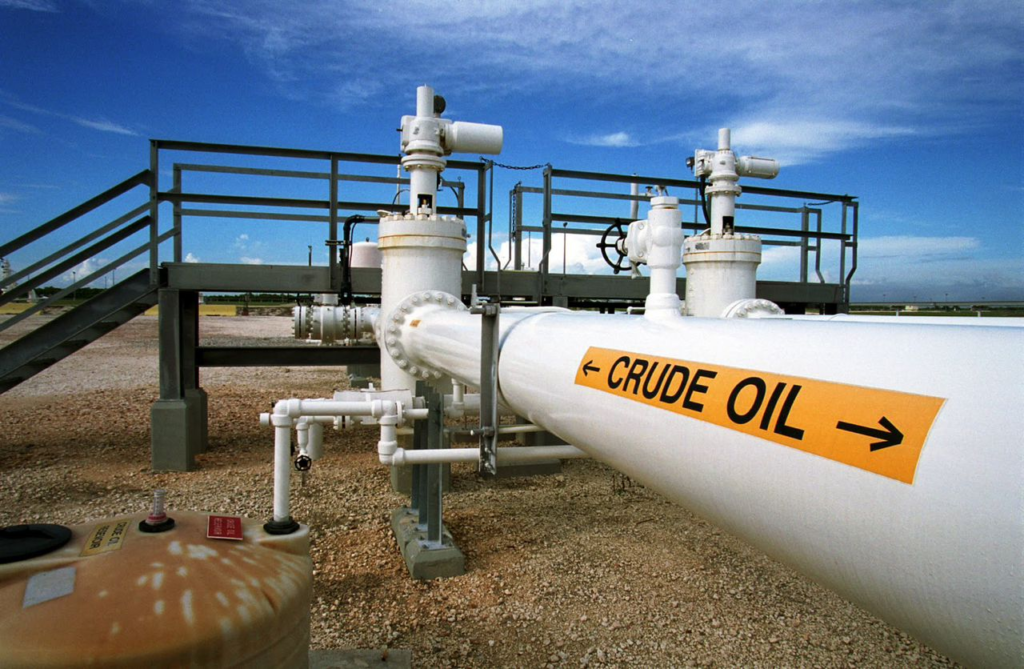
LAGOS — Global oil prices jumped more than 3% Monday morning as the entry of Yemen’s Houthi rebels into the Middle East conflict sparked fresh fears of a prolonged supply disruption. Brent crude futures surged to a peak of $116.40 per barrel in early trading, marking its steepest monthly climb since the 1990 Gulf War. U.S. West Texas Intermediate (WTI) followed suit, crossing the psychological $100 threshold to trade near $103.10. The price spike follows weekend missile and drone strikes by Iran-aligned Houthi forces targeting strategic sites in Israel. The escalation has effectively moved the theater of war beyond the Persian Gulf and into the Red Sea, a critical artery for global energy transit. Markets reacted sharply to the news, as investors began pricing in a “fear premium” over the potential closure of the Strait of Hormuz and the Bab el-Mandeb Strait. Together, these chokepoints handle nearly 25% of the world’s daily oil and LNG trade. The rally comes as the U.S.-Iran conflict enters its fifth week. Analysts note that Brent has soared roughly 59% throughout March, reflecting a market that has largely discounted the possibility of a swift diplomatic resolution. In response to the volatility, the International Energy Agency (IEA) has already signaled the release of 400 million barrels from emergency reserves. However, the move has done little to cool prices as eight OPEC+ members maintain a pause on production increases until their next scheduled meeting on April 5, 2026.
Energy security crisis: oil markets brace for new highs on Middle East threats
LAGOS — Global oil prices remained highly volatile on Monday as the market balanced an escalating military “war of nerves” over Middle Eastern energy facilities against a surprise U.S. decision to release millions of barrels of sanctioned Iranian crude. Market Reaction and Pricing Brent crude futures hovered near $112.90 per barrel in early Monday trading, maintaining a three-week rally that has seen the global benchmark surge more than 50% since the onset of the U.S.-Israeli conflict with Iran. Concurrently, U.S. West Texas Intermediate (WTI) traded near $99.00, reflecting a widening spread as geopolitical risks continue to disproportionately affect Atlantic Basin and Asian supplies. Escalating Threats to Infrastructure The price floor is being held firm by a 48-hour ultimatum issued over the weekend by U.S. President Donald Trump, who warned that major Iranian power plants would be “obliterated” if the Strait of Hormuz—a chokepoint for 20% of global oil—is not fully reopened to shipping by late Monday. In a sharp escalation of rhetoric, Iran’s Parliament Speaker Mohammad Baqer Qalibaf responded in a post on X that any strike on Iranian domestic energy assets would lead to the “irreversible destruction” of oil, gas, and desalination infrastructure across the Middle East. This follows a string of recent attacks on major facilities, including the South Pars gas field and Qatar’s Ras Laffan LNG complex. The “Iranian Barrels” Strategy Seeking to cap record-high fuel prices ahead of the U.S. midterm elections, the Treasury Department issued a 30-day sanctions waiver on March 20. Known as General License U, the waiver allows for the sale and delivery of approximately 140 million barrels of Iranian oil currently “stranded at sea” on tankers. U.S. Treasury Secretary Scott Bessent described the move as a tactical maneuver to “use Iranian barrels against Tehran” to stabilize the market. The waiver is strictly limited to oil loaded before March 20 and does not permit new production, serving as a finite supply bridge rather than a long-term solution to the energy crisis. Outlook: A Historic Supply Shock The International Energy Agency (IEA) has labeled the current disruption the “greatest global energy security challenge in history,” noting that the 11 million barrels per day currently removed from the market exceeds the shocks of the 1970s. Analysts at Goldman Sachs have already revised their 2026 Brent forecast upward to $85 per barrel, warning that if the 48-hour window for the Strait’s reopening closes without a diplomatic breakthrough, prices could test the $120 mark by week’s end.