
U.S. Hits Nigeria, 7 African Nations With 12.5% Tariff Crackdown Over Forced Labor Rules
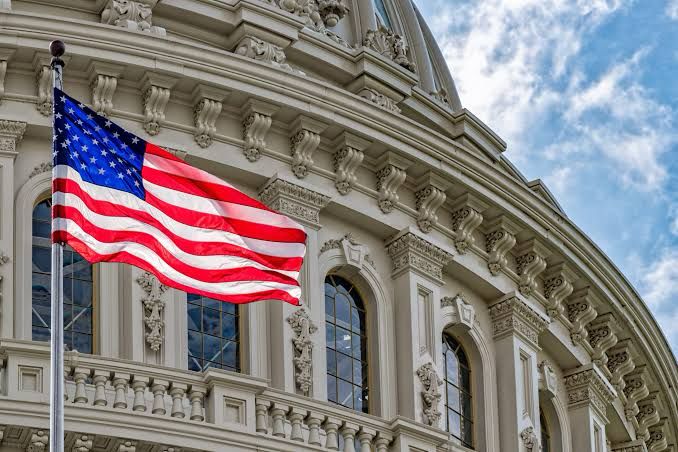
LAGOS — The United States has slapped new Section 301 tariffs of 10% and 12.5% on dozens of global trading partners over alleged forced-labor enforcement failures, effective Friday. The duties, announced by the Office of the U.S. Trade Representative, take effect Friday. They replace temporary emergency tariffs set to expire following recent U.S. court rulings. It follows a five-month investigation by the Office of the U.S. Trade Representative into 60 primary trade partners, reviewing 2,100 public comments and consulting over 45 foreign governments. Eight African economies face the maximum 12.5% duty after U.S. officials determined they lacked domestic legal prohibitions or effective enforcement mechanisms against importing forced-labor goods into their own markets. These affected African nations are Algeria, Angola, Egypt, Libya, Mauritania, Morocco, Nigeria, and South Africa, joining major global exporters like China and Brazil in the highest tariff bracket. Seventeen other economies including Canada, Mexico, India, and the United Kingdom secured a lower 10% rate by implementing partial import bans or committing to reciprocal trade agreements regarding forced labor. Key exemptions significantly cushion the blow, as crude oil, natural gas, pharmaceuticals, and fertilizers are excluded from the new duties. This carveout buffers energy-dependent African exporters, particularly Nigeria and Angola, whose trade with Washington consists almost entirely of crude oil and natural gas shipments. The action replaces temporary tariffs after U.S. courts invalidated earlier emergency measures, forcing the administration to pivot to Section 301 statutes to establish a permanent trade foundation.
Oil prices surge as Middle East ceasefire unravels; Brent climbs toward $100
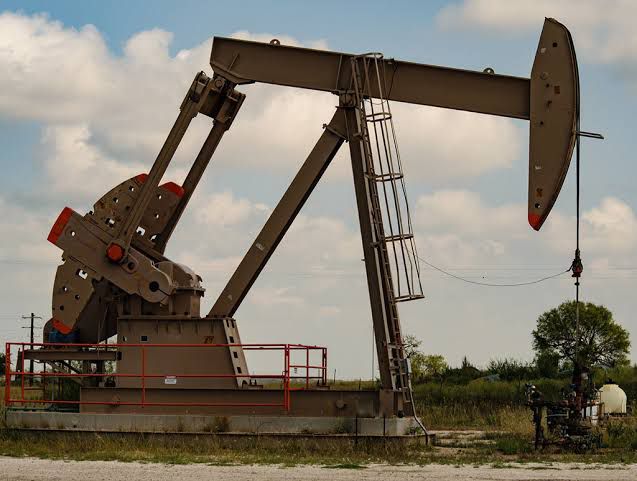
LAGOS — Oil prices surged on Monday as renewed geopolitical volatility in the Middle East sparked fresh concerns over global supply stability. The rally effectively erased last week’s brief bearish trend following the collapse of a fragile regional ceasefire. By mid-morning trading on Monday, April 20, Brent crude, the international benchmark, jumped 5.8% to $95.64 per barrel, while the U.S. standard, West Texas Intermediate (WTI), surged 6.4% to $87.90. The escalation follows reports of a naval incident involving a commercial vessel over the weekend. This event led to the immediate reimposition of maritime restrictions, stranding several tankers and forcing shipping firms to seek more expensive alternative routes. Energy analysts warn that the continued closure of the world’s most vital oil artery could push prices to $120 per barrel. The International Energy Agency has characterized the current disruption as one of the most significant supply risks in decades. For emerging economies already battling persistent inflation, this spike in energy costs presents a major headwind. Higher crude prices are expected to put immediate pressure on domestic fuel costs and foreign exchange reserves across oil-importing nations. Diplomatic efforts appear to have hit a stalemate as high-level negotiations scheduled for later this week remain in doubt. Markets remain highly sensitive to any further military developments, with volatility expected to persist throughout the current trading week.
Oil Prices surge toward $120 amid Middle East supply crisis
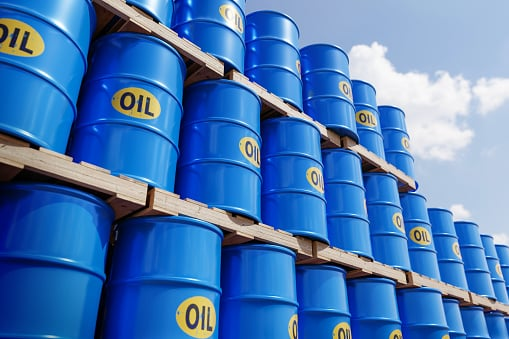
LAGOS — Global oil prices skyrocketed on Wednesday as a near-total blockade of the Strait of Hormuz and a massive production slump from OPEC+ nations sent shockwaves through energy markets. Brent crude spiked to $118.20 per barrel in early trading on April 1, 2026, while West Texas Intermediate (WTI) climbed to $102.50. The surge follows a reported collapse in OPEC production, which plummeted by 7.3 million barrels per day in March due to extensive infrastructure damage and power failures across the Gulf region. The market remains highly volatile as the International Energy Agency (IEA) attempts to stabilize supply by releasing 400 million barrels from emergency reserves. However, the halt of 20 million barrels per day of exports through the Hormuz chokepoint has created a deficit that emergency stocks have yet to offset. Egyptian President Abdel Fattah al-Sisi warned on Monday that if diplomatic efforts fail to reopen seaborne routes, crude oil could near $200 per barrel by the end of the second quarter. Conversely, a breakthrough in negotiations could see prices rapidly retreat toward the $80 level. For now, conflicting signals from Washington and continued regional instability keep the geopolitical risk premium at its highest level in years.
Energy Shock: Trump demands allies buy U.S. fuel or fight for their own
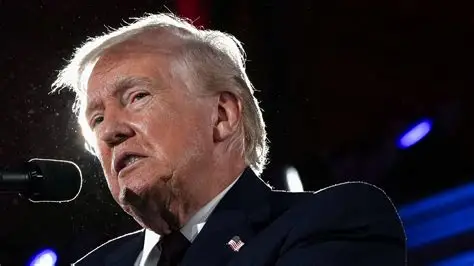
In a social media post on Tuesday, President Donald J. Trump issued a blunt ultimatum to global allies, specifically targeting the United Kingdom. He stated that countries facing severe jet fuel shortages must either buy energy directly from the United States or deploy their own militaries to “take” control of the Strait of Hormuz. The President’s comments come as the 2026 Iran Crisis enters a critical phase, with the vital shipping chokepoint effectively blocked to commercial traffic. Trump claimed that the U.S. has already completed the “hard part” by “decimating” Iran and will no longer provide a security umbrella for nations that did not participate in the initial military campaign. “All of those countries that can’t get jet fuel because of the Strait of Hormuz, like the United Kingdom, which refused to get involved in the decapitation of Iran, I have a suggestion for you,” Trump wrote. “Number 1, buy from the U.S., we have plenty, and Number 2, build up some delayed courage, go to the Strait, and just TAKE IT.” The directive marks a historic shift in American foreign policy, signaling an end to the U.S. Navy’s traditional role as the primary guarantor of free navigation in the Persian Gulf. Defense Secretary Pete Hegseth echoed this sentiment, suggesting that the “big, bad Royal Navy” should step up rather than relying on American taxpayers to secure international waterways. In the UK, the timing of the remarks is particularly sensitive. Following the closure of the Grangemouth refinery last year, Scotland and the wider UK have become increasingly vulnerable to supply shocks. Analysts warn that Britain is set to receive its final shipment of Middle Eastern jet fuel this week, raising the specter of grounded flights and energy rationing. Global oil markets reacted sharply to the uncertainty, with Brent crude prices hovering near $106 per barrel. While Trump hinted at progress in diplomatic talks, he warned that if the Strait is not “open for business” shortly, the U.S. may “obliterate” remaining Iranian infrastructure before withdrawing its forces entirely.
Middle East conflict day 31: Egypt president warns oil could top $200/b
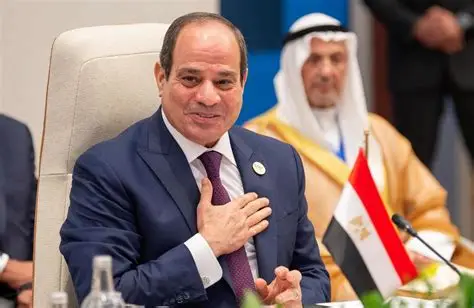
Egyptian President Abdel Fattah al-Sisi issued a chilling warning on Monday, stating that global oil prices exceeding $200 per barrel (pb) are no longer a “theoretical fear” but a looming reality. Speaking at the Egypt Energy Show (EGYPES 2026), Sisi appealed directly to U.S. President Donald Trump to halt the war, which entered its 31st day today. He noted that only the U.S. President has the influence to stop the escalating conflict with Iran. The Egyptian leader warned that the disruption of the Strait of Hormuz is pushing the global economy toward a breaking point, with current projections of a price surge being “not exaggerated.” As of today, Monday, March 30, Brent crude is already trading at $116.42 per barrel, while West Texas Intermediate (WTI) has climbed to $101.15, reflecting the deep anxiety in global markets. The conflict officially began on February 28, 2024, with the launch of the joint U.S.-Israeli air strikes (Operation Epic Fury). President Sisi’s warning comes as the situation enters its fifth week of active combat. For African nations, these figures represent a “double tragedy” as soaring energy costs and disrupted supply chains threaten to reverse years of hard-won economic stabilization. In Nigeria, the crisis presents a stark paradox; while the NGX has seen interest in domestic energy firms, the average citizen is grappling with petrol prices that have hit a record N1,400 per liter in Lagos and Abuja. Further east, the impact is even more immediate. Kenya and Ethiopia are facing a “hidden tax” on all imported goods as shipping lines reroute around the Cape of Good Hope to avoid the conflict zone. This 4,000-mile detour adds roughly $1 million in costs per trip, driving up the price of everything from electronics to the essential fertilizers needed for the 2026 harvest season.