

Uganda Economic Growth Surges to 6.8% in Q2 Driven by Export Boom
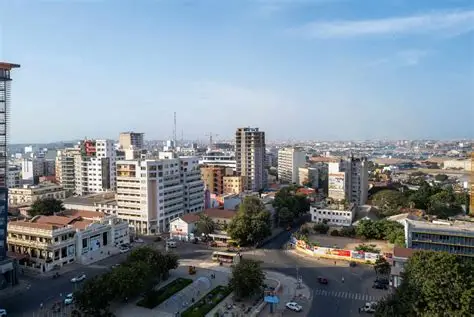
Uganda’s real gross domestic product expanded by 6.8% annually in the quarter to June 2026. This rebounds from a downwardly revised 5.7% growth in the previous March period. Official data released by the Uganda Bureau of Statistics shows the pickup was powered by an export surge. Foreign sales skyrocketed 21.3%, jumping sharply from 6.3% in March. Ongoing conflicts across the Middle East sparked severe global commodity shocks. This geopolitical turmoil heavily amplified international demand and pricing for core Ugandan fuel exports. Despite this robust headline expansion, broader economic risks remain prominent. The World Bank recently cautioned that mounting national debt burdens continue to loom large. Simultaneously, the Bank of Uganda maintains a cautious stance. Officials recently held the key policy rate at 9.75% to tame rising domestic inflation pressures.
Uganda July Trade Deficit Widens to $304m as Import Growth Outpaces Exports
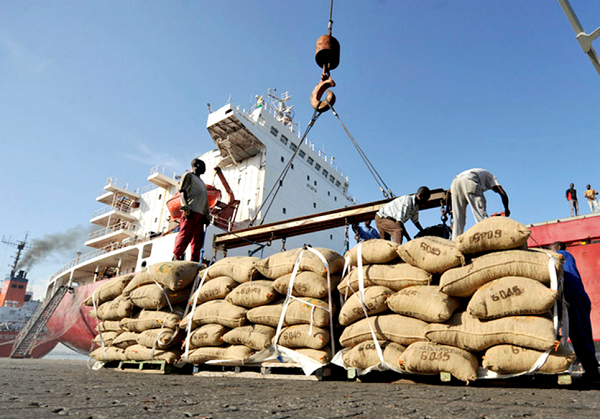
Uganda’s trade deficit widened 26.9% year-on-year to $304.0 million in July 2026, as robust import demand outpaced export performance despite posting its narrowest monthly trade gap since April. Data released by the Bank of Uganda showed merchandise imports surged 12.5% year-on-year to $1,703.2 million, exceeding total exports of $1,399.2 million, which grew 9.8% over the same period. The external deficit expanded by $64.5 million from $239.5 million recorded in July 2025, underscoring persistent structural imbalances in the East African nation’s international merchandise trade. However, July’s performance reflected a month-on-month improvement, recording the smallest trade deficit since April, following elevated capital imports and heavy energy sector purchases during the second quarter. The elevated import bill continues to be driven by capital equipment for infrastructure projects, refined petroleum products, and intermediate industrial inputs required by local manufacturing firms. Export earnings gained support from higher coffee shipments and agricultural output, alongside robust regional trade within the East African Community, though gains proved insufficient to match import growth. The ongoing merchandise deficit keeps structural pressure on the Ugandan shilling and national foreign exchange reserves, challenging central bank efforts to maintain exchange rate stability.
Ugandan Parliament Passes Softened “Foreign Influence” Bill to Avert Economic Crisis
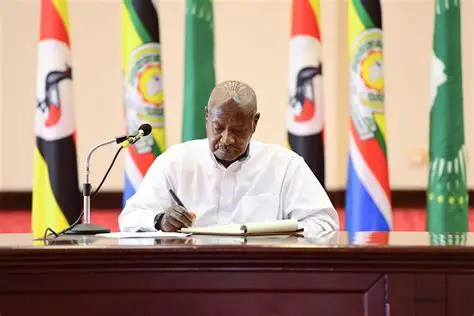
Uganda’s parliament passed the Protection of Sovereignty Bill on Tuesday, aiming to curb foreign interference after lawmakers stripped out harsh funding restrictions that experts warned would trigger a national economic collapse. The revised legislation targets individuals or groups receiving foreign funds for specific political activities. It requires them to register with the government, though it now excludes routine diaspora remittances and development aid. The concessions followed a dire warning from Central Bank Governor Michael Atingi-Ego. He cautioned that original proposals to monitor all foreign inflows would stifle the $2.5 billion sent home annually by Ugandans abroad. Atingi-Ego told lawmakers that choking these vital currency inflows would deplete foreign exchange reserves, devalue the shilling, and cause “economic disaster.” Consequently, Parliament narrowed the bill’s scope to protect the country’s financial stability. Critics argue the law remains a tool for President Yoweri Museveni to silence opposition. Museveni, in power since 1986, has frequently accused Western nations and NGOs of using “agent” groups to destabilize his administration. Violations of the new law carry a maximum penalty of 10 years in prison. The bill now moves to President Museveni’s desk, where he is expected to sign it into law within the month.
Uganda’s central bank begins domestic gold purchase to bolster reserves

The Bank of Uganda has officially commenced the purchase of gold from domestic artisanal and small-scale miners to diversify its foreign exchange reserves and support the local mining economy. This move marks the operational phase of a strategic bullion-buying programme announced two years ago, aimed at incorporating physical gold as a core component of the country’s sovereign assets. The central bank confirmed on Tuesday that it successfully executed its first transaction under the initiative, following extensive preparations to establish the necessary infrastructure for refining and storage. The programme targets the acquisition of locally sourced gold to mitigate risks associated with international currency volatility and to reduce the nation’s long-term reliance on foreign denominated reserves. By acting as a primary off-taker, the Bank of Uganda intends to provide a reliable market for domestic producers while curbing the illicit smuggling of the precious metal across borders. Officials stated that the bullion will be refined to international standards before being integrated into the national reserve portfolio, providing a financial buffer during periods of global economic uncertainty. The initiative aligns Uganda with several other African nations that have recently turned to gold-buying schemes to strengthen their balance sheets and provide stability for their domestic currencies. While the specific volume of the initial purchase was not disclosed, the bank indicated that the programme will scale gradually as more local producers meet the required regulatory benchmarks. Economists suggest that the move could improve the country’s creditworthiness and provide the central bank with more flexibility in managing the Ugandan shilling’s performance against the US dollar. The program also includes measures to formalize the artisanal mining sector, ensuring that environmental and social governance standards are met during the extraction and refining processes.
Uganda appoints Citibank to lead financing for €2.7 billion rail project

Uganda has appointed Citibank to mobilize the €2.7 billion ($3.19 billion) required for its Standard Gauge Railway. The Ministry of Finance announced the move on Thursday to secure project funding. Officials met with Citibank executives in Washington during the IMF-World Bank Spring Meetings. The talks focused on progress in raising capital for the Malaba–Kampala section of the electrified rail. The government is also negotiating with the World Bank for additional credit support. This multi-lender approach follows the 2023 collapse of previous funding arrangements with Chinese lenders for the project. Turkish firm Yapı Merkezi is the lead contractor for the 272-kilometer line. While $83 million was released for initial works, heavy construction awaits the finalization of this debt package. The railway will connect Kampala to the Kenyan border, linking Uganda to the Mombasa seaport. It is expected to carry 25 million tonnes of cargo annually and halve transport costs.
Uganda’s export earnings surge 72% to $1.45 billion in January
Uganda’s merchandise export earnings jumped by 72.1% year-on-year in January 2026, reaching $1.45 billion as the country capitalized on a historic gold boom and steady coffee demand. According to the Ministry of Finance’s Performance of the Economy report for February 2026, the sharp increase from the $844.6 million recorded in January 2025 was primarily driven by a 182% surge in gold revenues. The performance flipped the nation’s trade balance from a deficit in December to a surplus of $147.26 million. Gold remained the dominant driver, accounting for $913.95 million—roughly 63% of total monthly earnings. This growth was fueled by a significant rise in export volumes, which climbed to 6,254 kilograms, alongside a spike in global prices that surpassed $140,000 per kilogram. Analysts attribute the price rally to heightened geopolitical tensions and a weakening US dollar, which have pushed investors toward safe-haven assets. Coffee, the country’s traditional leading export, also posted gains, with earnings rising to $161 million from $156.5 million a year earlier. While global coffee prices saw a slight decline due to improved supply from Brazil, Uganda’s increased production volumes—totaling over 569,000 bags—more than offset the price dip. The Middle East emerged as the top destination for Ugandan goods, claiming a 48.9% market share, with the United Arab Emirates alone receiving 99% of those shipments. Other significant markets included Asia (18.4%), the East African Community (17.9%), and the European Union (10.5%). Beyond the primary commodities, the trade surplus was supported by increased earnings from industrial products, electricity, and oil re-exports, which doubled to $29.18 million. Despite the strong export performance, the report noted a 23.2% year-on-year rise in imports to $1.31 billion, driven by private sector demand for machinery and vehicles. Economists cautioned that while the current surplus is a positive indicator of resilience, the heavy concentration of earnings in gold and coffee leaves the economy vulnerable to global price volatility.
Uganda’s Economy Grows 8.5% in Q4 on construction, Consumer Demand
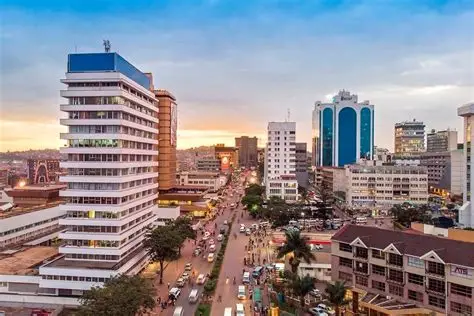
Uganda’s economy expanded by 8.5% in the quarter ending December 2025, a significant acceleration from the 5.4% growth recorded in the same period a year earlier. The Ministry of Finance attributed the surge to robust consumer demand and increased activity across the construction and industrial sectors. According to the latest data from the Ministry, the quarterly performance highlights a strengthening recovery in domestic consumption. Higher household spending and a rebound in private sector investment have provided a substantial cushion against global economic headwinds. The construction sector emerged as a primary driver of the growth trajectory. Increased infrastructure projects and a rise in residential development contributed to the sectoral uptick, alongside steady performance in other service-related industries. Analysts note that the 3.1 percentage point jump from the previous year’s corresponding period reflects a transition from post-pandemic stabilization to organic expansion. The high activity in capital-intensive sectors like construction suggests improved liquidity and investor confidence within the East African nation. The Ministry’s report indicates that this momentum is expected to influence broader macroeconomic indicators, including employment and regional trade volumes, as the country enters the first half of 2026.