

Wale Edun shows appreciation, steps aside as Nigeria’s finance minister after three-year reform push
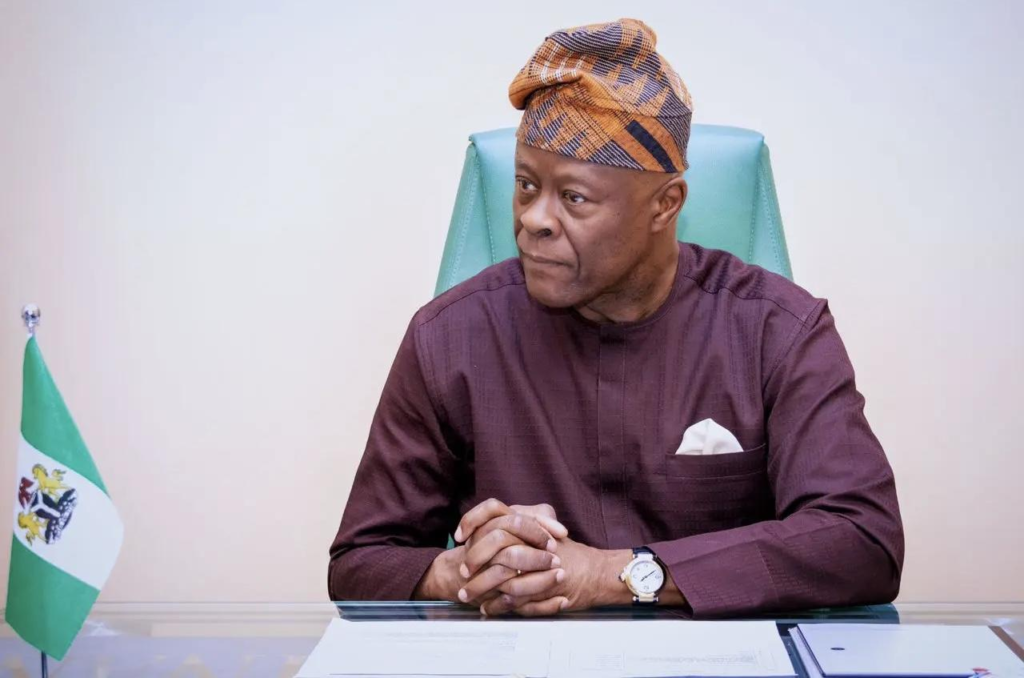
Wale Edun has resigned as Nigeria’s Finance and Coordinating Minister of the Economy, marking the end of a pivotal tenure focused on stabilizing the nation’s macroeconomic environment. Edun announced his departure in a press statement Wednesday, thanking President Bola Ahmed Tinubu for the opportunity to serve Nigeria since the administration’s inception in May 2023. The outgoing minister highlighted significant economic milestones achieved during his term, reporting that national GDP growth improved from 2% to over 4%. Inflation also saw a drastic reduction under his leadership, falling from a peak of 35% to 15% as critical fiscal reforms took hold across the country. Edun’s service began as head of the Presidential Transition Committee before he moved into roles as Special Adviser on Monetary Policy and eventually Finance Minister. He noted that while much remains to be done, the foundations for inclusive, long-term growth and restored public trust are now firmly in place for his successor. The minister described economic reform as a continuous process and expressed lasting optimism about Nigeria’s trajectory while wishing the incoming leadership the very best. “I am proud of what we achieved alongside colleagues in the Federal Executive Council,State Governors, our partners in the public and private sectors, and the many dedicated professionals whose work continues to support the nation’s economic transformation. ” he noted. On Tuesday, Nigeria President Bola Tinubu, in a minor cabinet reshuffle, changed Edun as finance minister; also removing the Housing Minister Ahmed Musa Dangiwa to strengthen the administration’s economic delivery. Taiwo Oyedele, the former Minister of State for Finance and tax reform chief, has been promoted to substantive Minister of Finance and Coordinating Ministe
Beyond the Red Carpet: The UK State Visit is an Investment in Nigeria’s Future
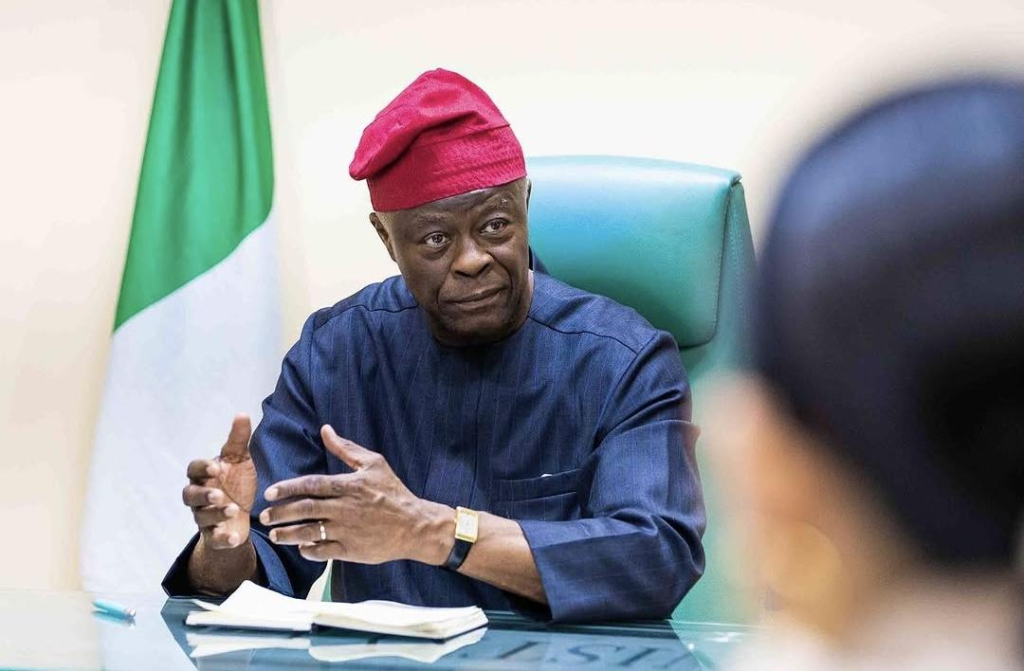
Wale EdunHonourable Minister of Finance and Coordinating Minister of the Economy As President Bola Ahmed Tinubu and Prime Minister Keir Starmer met at 10 Downing Street to discuss the future of our two countries, I felt a quiet but unmistakable sense of pride. What I witnessed was not the old posture of a junior partner seeking favour. It was two leaders and two teams engaging with clarity, confidence, and purpose. That tone had been set earlier at Windsor Castle, where the President was received by His Majesty King Charles III. The ceremony and pageantry spoke to the regard the United Kingdom holds for Nigeria and its leadership. That regard was not always there, and it cannot be taken granted. For decades, Nigeria was regarded as a country of promise. That perception is shifting. Increasingly, we are being engaged as a country delivering measurable progress. That perception is shifting as the global economy is also changing. Rivalry, conflict, and shifting alliances are reshaping trade and investment. Capital is more selective, and countries are choosing their partners more deliberately. In this new environment, Nigeria is acting deliberately. We are pursuing partnerships that are strategic and mutually beneficial; relationships where both sides create value together. That is what the UK state visit was about. It was about working with a partner to deliver investment, growth, and jobs in the Nigerian economy. That is the standard; and that is exactly what this visit delivered. One key outcome of this visit was the £746 million export finance agreement signed with the United Kingdom to fund the redevelopment of the Lagos Port Complex and Tin Can Island Port. Backed by UK Export Finance, this is a classic project finance structure in which the increased revenues generated by the upgraded ports are used to service and repay the loan. Today, clearing goods through our ports can take up to 18 days. With the upgrade, that timeline could fall to as little as 5 days. That is transformational. It means cheaper goods for Nigerian households, as logistics costs fall across the value chain; and it makes it easier for farmers and local manufacturers to move their products to market and to export competitively. While port modernization secures our trade backbone, we also concluded targeted agreements across industry, finance, and the digital economy. We brought new manufacturing capacity into Nigeria through a £24 million investment byAssociated British Foods; the first of its kind in Africa; creating jobs, deepening local value chains, and strengthening “Made in Nigeria” at scale. We advanced financial inclusion by enabling Wise, the UK-based global payments platform, to expand its presence in Nigeria’s remittance ecosystem, lowering transfer costs and ensuring that more income earned abroad reaches Nigerian families. We secured commitments to enhance business mobility through streamlined UK visa and eVisa processes, reducing long standing friction for Nigerian entrepreneurs and investors. Nigeria is not only receiving capital; we are also deploying it. The expansion of Nigerian banks into the United Kingdom, including Zenith Bank’s growing footprint in Manchester, reflects Nigeria’s increasingly confident and globally competitive position. Beyond infrastructure and finance, our creative industries were also showcased during the state visit. The spotlight on Nigerian music, film, and art at Tate Modern signals our readiness for global investment. It opens doors for international partnerships, licensing, touring, and broader investment across the creative economy. Finally, we signed agreements to strengthen cooperation on counter-terrorism, organized crime, and intelligence sharing, reinforcing our joint commitment to security as a foundation for growth. It reflects a simple truth: without security, sustained economic growth is not possible. Taken together, what we saw in the UK was Nigeria aligning her strengths with global opportunity; deliberately and with purpose. The visit was a focused negotiation, anchored in outcomes. It showed that when a nation puts its house in order and engages the world with clarity, the response is not just applause; it is capital, partnership, and opportunity. But the real test is not what was said in the UK; it is what is delivered in Nigeria. It will be measured in days shaved off port clearing times; in prices that begin to ease in our markets; in jobs created across logistics, industry, and services; and in a growing sense that progress is tangible. The red carpet is not the achievement. The value to our economy is. I am proud to report that the President and his administration secured real, measurable value from this state visit.