
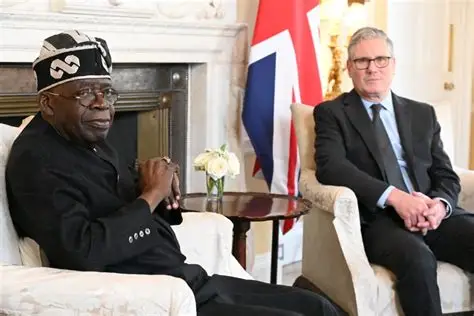
LAGOS — Nigeria and the United Kingdom have formalized three landmark agreements targeting illegal migration, border security, and trade facilitation, marking a significant recalibration of the bilateral relationship between the two Commonwealth nations.
The Memoranda of Understanding (MoUs) were signed during President Bola Ahmed Tinubu’s state visit to London this week, establishing a new framework for the identification and repatriation of Nigerian nationals without legal status in the UK while simultaneously easing paths for legitimate business investment.
The Core Agreements
The center-piece of the diplomatic exchange is a Migration Partnership designed to accelerate the removal of visa overstayers and foreign national offenders. Under the new terms, Nigeria has agreed to recognize “UK Letters” as valid travel documentation for its citizens, bypassing the often-lengthy process of issuing emergency travel certificates.
The Presidency was quick to clarify that the deal applies strictly to Nigerian citizens, dismissing concerns that the country would become a destination for third-party deportees.
Complementing this is a Statement of Intent on Organized Immigration Crime. This agreement empowers a joint task force—including officials from the Nigeria Immigration Service (NIS) and the UK Home Office—to share real-time intelligence to dismantle human trafficking rings and verify the authenticity of employment sponsorships.
Economic and Infrastructure Boost
On the economic front, the third MoU focuses on Business Mobility, aimed at reducing the bureaucratic hurdles for UK investors entering the Nigerian market. Minister of Interior Olubunmi Tunji-Ojo noted that the deal is a strategic step toward Nigeria’s goal of a trillion-dollar economy by fostering a more fluid exchange of professional talent.
The visit also secured a major infrastructure win: a £746 million ($950 million) investment package to modernize the Apapa and Tin Can Island ports in Lagos. This modernization project is expected to significantly reduce vessel turnaround times and enhance Nigeria’s capacity as a regional maritime hub.
These agreements come at a time of heightened focus on migration policy in both Westminster and Abuja. For the UK, the deals represent a tangible success in its “Stop the Boats” and border enforcement agenda. For Nigeria, the trade and infrastructure concessions offer a vital lift to the national economy and domestic industrial growth.
British officials described the MoUs as a “modern partnership of equals,” focusing on mutual security and shared prosperity rather than a one-sided enforcement mandate.