Uganda’s parliament passed the Protection of Sovereignty Bill on Tuesday, aiming to curb foreign interference after lawmakers stripped out harsh funding restrictions that experts warned would trigger a national economic collapse.
The revised legislation targets individuals or groups receiving foreign funds for specific political activities. It requires them to register with the government, though it now excludes routine diaspora remittances and development aid.
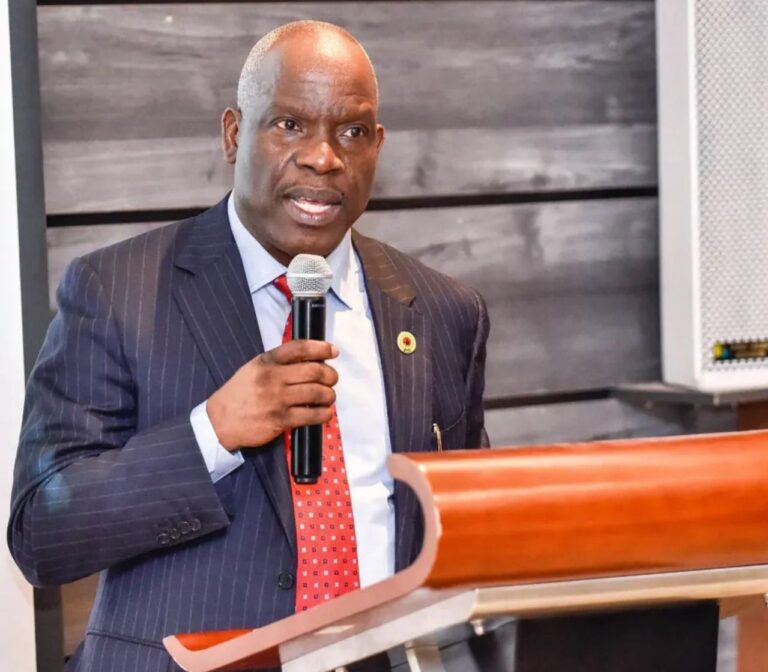
The concessions followed a dire warning from Central Bank Governor Michael Atingi-Ego. He cautioned that original proposals to monitor all foreign inflows would stifle the $2.5 billion sent home annually by Ugandans abroad.
Atingi-Ego told lawmakers that choking these vital currency inflows would deplete foreign exchange reserves, devalue the shilling, and cause “economic disaster.” Consequently, Parliament narrowed the bill’s scope to protect the country’s financial stability.
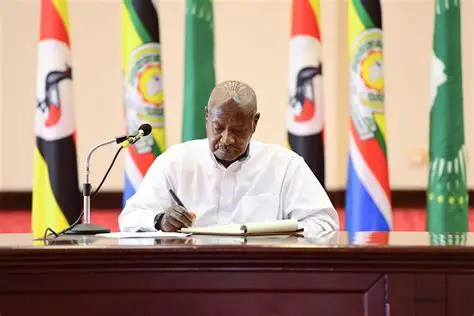
Critics argue the law remains a tool for President Yoweri Museveni to silence opposition. Museveni, in power since 1986, has frequently accused Western nations and NGOs of using “agent” groups to destabilize his administration.
Violations of the new law carry a maximum penalty of 10 years in prison. The bill now moves to President Museveni’s desk, where he is expected to sign it into law within the month.