By: ThinkBusiness Africa
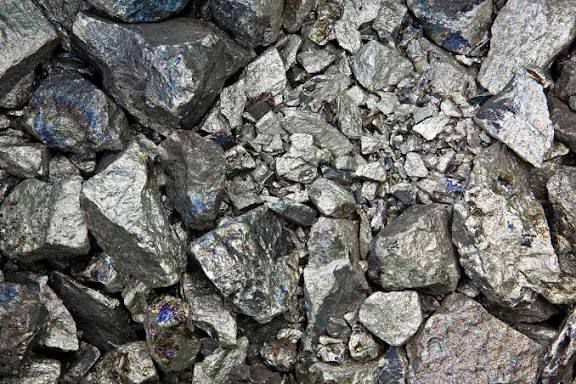
In a major policy shift aimed at curbing “malpractices” and forcing domestic industrialization, the Zimbabwean government has suspended the export of all raw minerals and lithium concentrates with immediate effect.
The Ministry of Mines and Mining Development said on Wednesday, that the suspension remains in place until further notice and applies even to minerals currently in transit.
The sudden directive accelerates a long-standing government plan to shift the economy from basic extraction to high-value processing. While Zimbabwe had previously set a deadline of 2027 to ban lithium concentrate exports, today’s announcement brings that timeline forward by nearly a year.
“Government remains committed to ensuring transparency, in-country value addition, and beneficiation,” said Mines Minister Polite Kambamura in a statement. “This measure has been taken in the national interest to curb leakages and enhance efficiency within our systems.” He said.
Under the new regulations:Only companies with valid mining titles and approved, functional in-country beneficiation plants will be permitted to export.
Agents and third-party traders are no longer authorized to export minerals on behalf of mining firms as security and revenue agencies, including the Zimbabwe Revenue Authority (ZIMRA), have been ordered to block all unprocessed consignments, including those already on their way to ports.
The news sent ripples through global commodity markets, particularly for lithium—a critical component in electric vehicle (EV) batteries. Zimbabwe holds Africa’s largest lithium reserves and has become a primary supplier to China.
In response to the news, shares of major Western lithium producers like Sigma Lithium, Albemarle, and Lithium Americas saw significant gains in pre-market trading, as investors braced for potential supply tightening from Southern Africa.
The move follows years of criticism from civil society and economic analysts who allege that billions of dollars in mineral wealth are lost annually through smuggling and undervalued raw exports.
The ban leaves several major mining operations in a precarious position. While some Chinese-backed firms, like Huayou Cobalt and Sinomine, have already begun commissioning local processing plants, many smaller and mid-sized miners still rely on exporting raw ores to stay afloat.