
By: ThinkBusiness Africa
Egyptian Prime Minister, Mostafa Madbouly presided over the signing of two historic energy agreements on Sunday. Totaling $1.8 billion, the deals with Norwegian energy giant Scatec and China’s Sungrow represent a massive leap forward in the country’s quest for energy security and industrial localization.
The dual-track strategy involves the construction of one of the world’s largest integrated solar-plus-storage projects and the establishment of the first battery manufacturing hub in the Middle East and Africa.
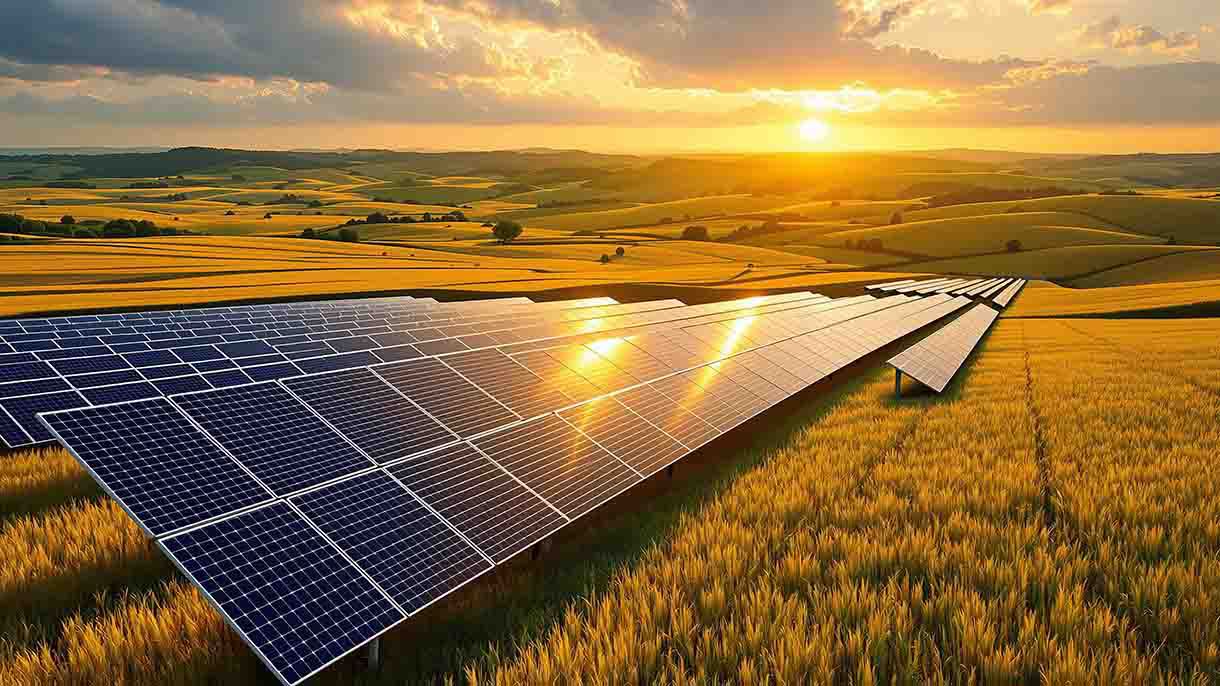
The first pillar of the deal is the “Energy Valley” project, developed by Scatec. This initiative is designed to tackle the primary challenge of solar energy reliability after sunset. A massive 1.7 GW (AC) solar photovoltaic plant will be located in the Minya Governorate.
The plant is integrated with a 4 GWh Battery Energy Storage System (BESS). While the main generation hub is in Minya, storage assets will be strategically distributed across Minya, Qena, and Alexandria to stabilize the national grid and eliminate bottlenecks.
Scatec signed a 25-year Power Purchase Agreement (PPA) with the Egyptian Electricity Transmission Company (EETC), ensuring a long-term, stable supply of clean electricity at competitive rates.
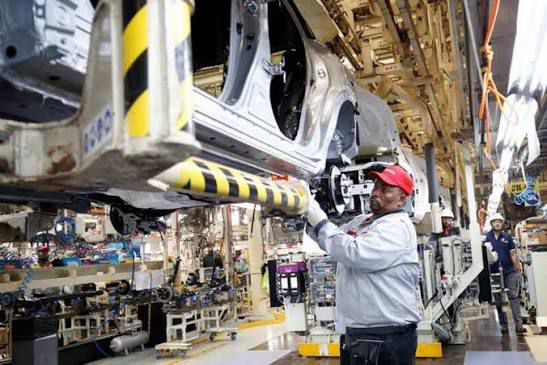
The second pillar shifts focus from energy consumption to production. China’s Sungrow will build a state-of-the-art manufacturing facility in the Suez Canal Economic Zone (SCZONE).
The facility will cover 50,000 square meters and boast an annual production capacity of 10 GWh.
In a prime example of a “closed-loop” economy, Scatec has already issued a supply order to Sungrow, meaning the batteries produced in Sokhna will power the solar plants in Minya. Production is expected to begin in April 2027, creating roughly 150 high-tech jobs.
Prime Minister Madbouly hailed the agreements as a “turning point,” noting that localizing the manufacturing of battery storage is essential for Egypt’s goal of reaching 42% renewable energy by 2030.
By combining Norwegian engineering, Chinese manufacturing, and Egyptian geography, the “Energy Valley” is set to provide “baseload” renewable energy—providing the same stability as a coal or gas plant but with zero carbon emissions.
This project is expected to offset approximately 1.6 million tonnes of CO2 annually, further supporting Egypt’s climate commitments under the Paris Agreement.