

By: ThinkBusiness Africa
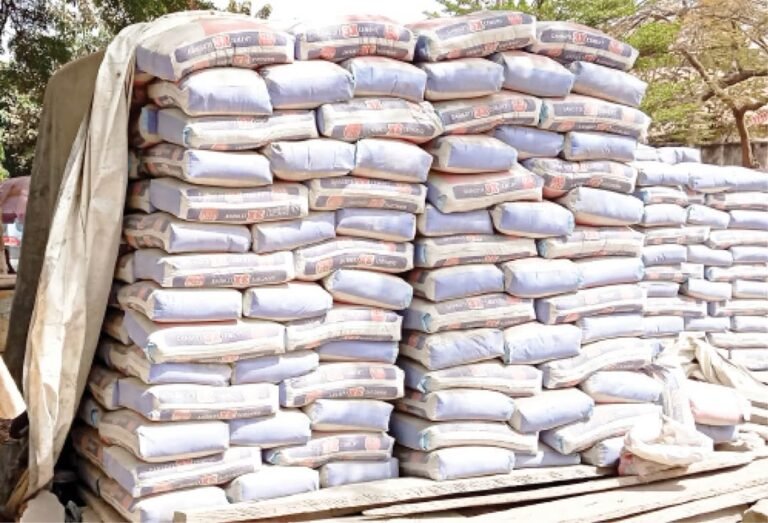
Nigeria’s second largest cement producer, BUA Cement PLC has officially signed an agreement with Chinese engineering giant CBMI Construction for the construction of a new 3-million-ton-per-annum (MTPA) production line in Sokoto State on Wednesday.
BUA cement Chairman, Abdul Samad Rabiu, said the new expansion will push BUA Cement’s total annual installed capacity to 20 million metric tons, further tightening the competition in the West African cement market.
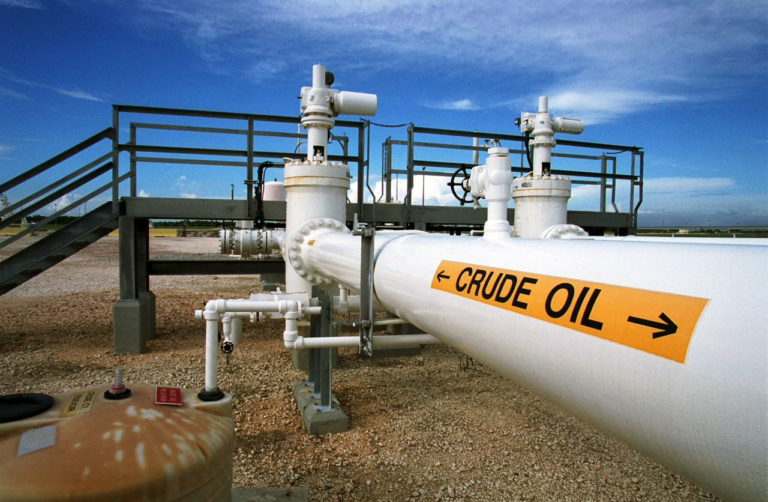
He said that the new Sokoto line will be powered by BUA’s Kogi Liquefied Natural Gas plant, a facility that broke ground just a year ago in Ajaokuta. By leveraging LNG, BUA aims to reduce operational costs by shifting away from more expensive and polluting traditional fuels.
The plant is strategically positioned to serve the North-West of Nigeria and neighboring landlocked regional markets like Niger and Benin.
The deal continues a long-standing partnership between BUA Group and Sinoma CBMI. CBMI has been the technical backbone for several of BUA’s previous plants, including the existing lines in Sokoto and Edo states.
Chairman Abdul Samad Rabiu noted that the project is expected to be completed within 20 months, a timeline that reflects the group’s “audacious yet structured” approach to industrialization.
“Powered by our Kogi LNG plant, it will boost Nigeria’s North-West and regional markets in just 20 months, Rabiu said in a post on X (formally Twitter).
With this move, BUA is effectively narrowing the gap with the industry leader, Dangote cement, which boasts of a production capacity with 52 million-tons per annum, and owns 60% of market share volume; while BUA holds 19-21% market volume.
In late 2025, BUA recorded a staggering 640.8% year-on-year profit increase in Q3, outpacing Dangote.This was largely due to BUA’s lower cost of sales, driven by their “captive power” strategy—using their own gas and LNG resources rather than relying on expensive external energy or the national grid.
However, the Dangote Group is not just sitting idle, earlier this January, Aliko Dangote announced an audacious “Vision 2030” plan to reach 90 million tonnes of capacity.
His strategy is shifting toward a massive export-to-import model, aiming to use Nigeria’s limestone to supply the entire African continent via the African Continental Free Trade Area (AfCFTA).